
Zanzibar Spice Tour 2026 Complete Guide, Best Farms & Expert Tips
Discover why Zanzibar is called the Spice Island through authentic Zanzibar spice tour experiences. This comprehensive guide reveals the best spice farms, transparent pricing, what to expect, and expert booking strategies for the most popular cultural excursion in Zanzibar.
Zanzibar Spice Tour: Your Complete 2026 Guide to the Spice Island Experience
A Zanzibar spice tour immerses you in the aromatic world that made Zanzibar famous as the “Spice Island,” offering authentic encounters with cloves, vanilla, cinnamon, cardamom, and dozens of other exotic spices growing on traditional plantations across this Indian Ocean archipelago.
This cultural excursion stands as Zanzibar’s most popular tour, welcoming over 200,000 visitors annually who seek to understand why this small East African island once controlled global spice markets and how these fragrant crops continue shaping Swahili cuisine, traditional medicine, and local livelihoods today.
The spice tour Zanzibar experience delivers far more than agricultural education—it represents a sensory journey through smell, taste, touch, and sight, combined with cultural storytelling from knowledgeable local guides who share centuries-old cultivation techniques, harvesting methods, and traditional uses for each spice.
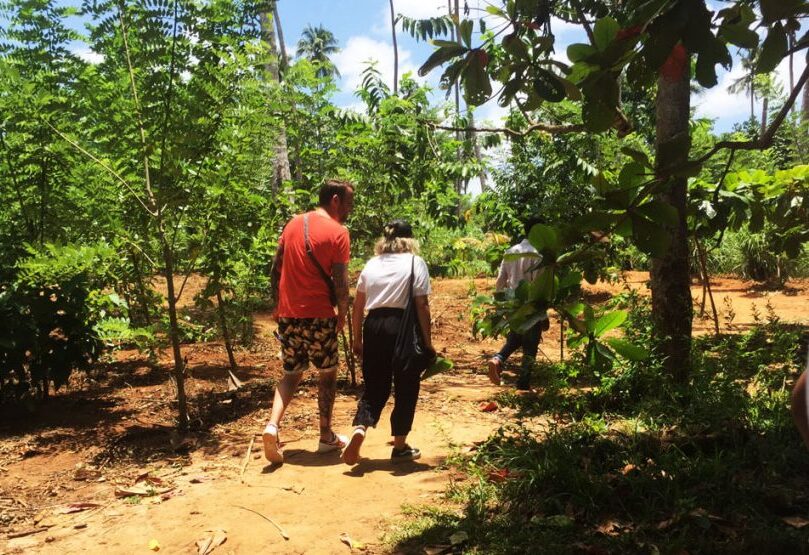
Every Zanzibar spice farm tour typically includes walking through shaded spice plantations where clove trees tower overhead, vanilla vines climb tropical hardwoods, cinnamon bark peels reveal fragrant inner layers, and ginger roots emerge from fertile volcanic soil—all while expert guides demonstrate coconut tree climbing, explain medicinal plant applications, offer fresh tropical fruit tastings, and reveal the fascinating history connecting Zanzibar’s spices to ancient trading routes stretching from Persia to China.
This comprehensive guide—drawing on extensive field research across Zanzibar’s premier spice plantations and verified visitor experiences—provides authoritative answers to every question travelers ask when planning a spice tour in Zanzibar: transparent pricing breakdowns from budget group tours to luxury private experiences,
detailed itineraries explaining exactly what happens during your 2-3 hour farm visit, honest assessments of which spice farms deliver the most authentic and educational experiences, strategic booking advice for securing best rates and avoiding tourist traps, optimal timing recommendations balancing weather conditions with seasonal harvest periods, and practical tips ensuring you maximize this quintessentially Zanzibari cultural encounter.
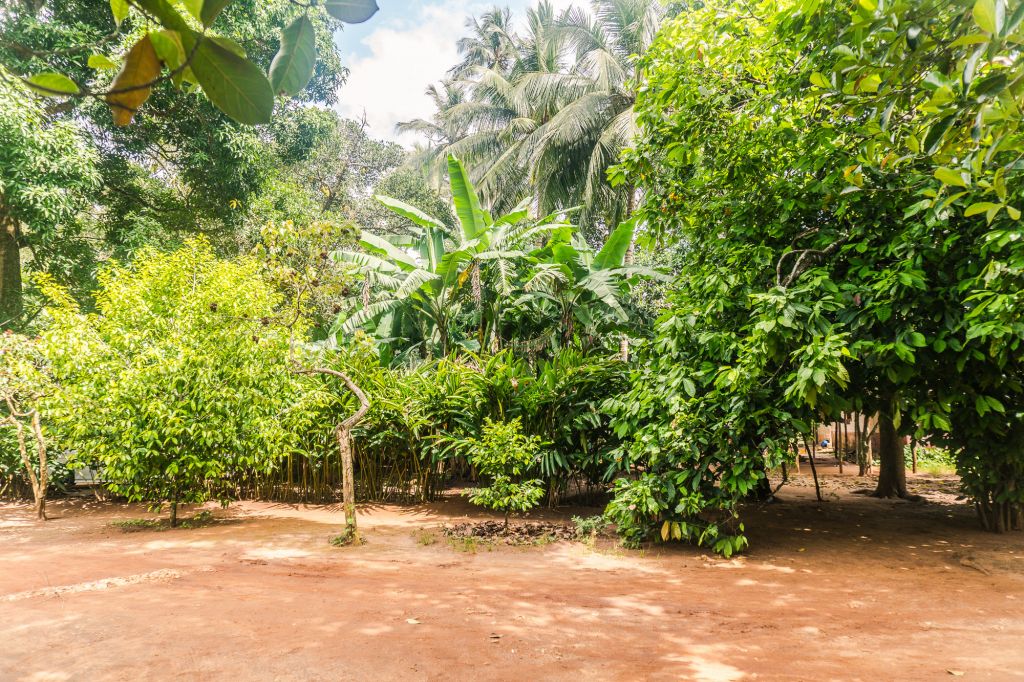
Whether you’re researching affordable Zanzibar spice farm tours for budget-conscious travel, evaluating private Zanzibar spice tour packages for intimate family experiences, investigating Stone Town spice tour Zanzibar combinations maximizing limited time, or planning luxury Zanzibar spice tour experience with traditional lunch inclusions—this guide delivers practical, unbiased insights enabling confident tour selection and booking. Contact Armani Tours and Travel for expert Zanzibar spice tour arrangements, transparent pricing, verified local guides, and seamless integration with your broader Zanzibar beach holidays or Tanzania safari itineraries.
What Is a Zanzibar Spice Tour? Understanding This Cultural Experience
A Zanzibar spice tour is a guided agricultural and cultural excursion visiting working spice plantations in Zanzibar’s fertile countryside, typically located 15-30 minutes inland from Stone Town, where expert local guides lead small groups through shaded farms demonstrating spice cultivation, explaining traditional uses, and offering sensory experiences including smelling, touching, and tasting fresh spices, herbs, and tropical fruits directly from plants.
The Zanzibar guided spice tours format combines educational content about tropical agriculture with cultural storytelling about Zanzibar’s historical role in global spice trade networks, creating an immersive experience that engages all five senses while providing genuine insights into contemporary Swahili farming practices and traditional knowledge systems.
Core Components of Every Zanzibar Spice Farm Tour
Standard Zanzibar cultural tours featuring spice plantation visits include several consistent elements regardless of price tier or tour operator. Your experience begins with hotel pickup from Stone Town accommodations or beach resorts, followed by a 20-35 minute drive through Zanzibar’s rural interior where traditional villages, coconut palm groves, and agricultural smallholdings reveal authentic island life beyond tourist beaches.
Upon arrival at the designated spice farm, your local guide—typically a farmer or agricultural expert with decades of experience—welcomes your group and explains the day’s itinerary before commencing the walking tour through the plantation.
The Zanzibar spice farm walking tour proceeds at a leisurely pace along established paths through the plantation, stopping every few minutes as guides identify spices, herbs, fruits, and medicinal plants growing naturally or cultivated in organized plots. At each stop, guides demonstrate how to recognize plants, explain cultivation requirements, show harvesting techniques, describe processing methods transforming raw materials into marketable spices, and detail traditional medicinal, culinary, and cultural applications.
The teaching style emphasizes hands-on interaction—you’ll smell cinnamon bark, taste raw vanilla pods, crush cardamom seeds, touch nutmeg fruit, and feel the texture differences between various spice leaves and roots.
Educational and Sensory Elements
What distinguishes quality Zanzibar local spice experience tours from superficial tourist attractions is the depth of botanical and cultural knowledge shared by guides combined with genuine opportunities for sensory engagement. Expert guides don’t simply name plants—they explain pollination processes for vanilla orchids, demonstrate proper clove harvesting timing, reveal why cinnamon bark must dry specific durations, describe companion planting strategies maximizing yields, and share traditional Swahili naming systems connecting plants to their uses.
The Zanzibar spice tour cultural experience extends beyond agriculture into anthropology, as guides weave historical narratives about Omani sultans introducing clove cultivation in the 1820s, Persian traders establishing early spice routes, and how colonialism, slavery, and independence shaped Zanzibar’s spice industry evolution.
The sensory dimension creates lasting impressions far exceeding typical tourist activities. During Zanzibar food and spice tours, you’ll experience:
- Olfactory immersion: Crushing clove buds releases intense aromatic oils; breaking cinnamon bark produces warm, sweet fragrances; bruising lemongrass leaves yields sharp citrus notes; and walking through ylang-ylang groves envelops you in heady floral perfume
- Tactile exploration: Feeling the waxy coating on nutmeg fruit, the papery texture of dried vanilla pods, the rough bark of clove trees, the smooth leaves of curry plants, and the fibrous structure of ginger rhizomes
- Gustatory discovery: Tasting raw peppercorns, chewing cardamom pods, sampling fresh turmeric root, trying jackfruit straight from trees, and experiencing the numbing effect of clove oil on tongues
- Visual education: Observing how vanilla vines climb host trees, seeing clove flower buds before harvest, watching coconut tree climbers demonstrate traditional rope techniques, and identifying spices you’ve only encountered as dried powders in stores
Duration and Group Dynamics
Most Zanzibar half day spice tour experiences span 2-3 hours for the actual plantation visit, with total excursion time reaching 4-5 hours when including hotel transfers from Stone Town or beach resort pickups. Zanzibar village spice tours operating as group experiences typically accommodate 8-15 visitors per guide, creating social dynamics where fellow travelers from diverse countries share discoveries and reactions, enhancing the communal aspect of exploration.
Private tours limit groups to your traveling party (2-8 people typically), allowing personalized pacing, extended question periods, and flexibility to focus on specific interests whether culinary applications, medicinal uses, or photographic opportunities.
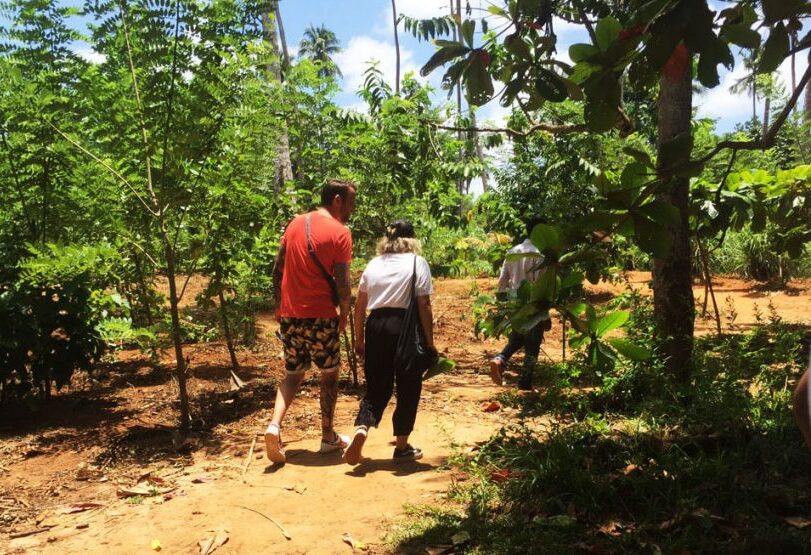
The walking component involves gentle terrain on relatively flat paths through shaded plantation areas, making Zanzibar family spice farm tour options suitable for most fitness levels including children aged 5+ and seniors with reasonable mobility. Tours pause frequently for demonstrations and explanations, ensuring no sustained physical exertion—total walking distance rarely exceeds 1-2 kilometers covered over 90-120 minutes.
This accessible format contributes to spice tours ranking as Zanzibar’s most universally appealing cultural activity, accommodating diverse age ranges, fitness capacities, and interest levels while delivering consistent visitor satisfaction ratings averaging 4.7-4.9 stars across major booking platforms.
Why Zanzibar Is Called Spice Island: Historical Context
Zanzibar earned its “Spice Island” designation during the 19th century when Sultan Said bin Sultan of Oman relocated his capital from Muscat to Stone Town in 1840 and systematically developed clove plantations across Zanzibar and Pemba islands, transforming the archipelago into the world’s largest clove producer supplying 75-90% of global demand by the 1870s.
This agricultural revolution built upon earlier spice cultivation introduced by Portuguese traders and Arab merchants but reached industrial scale under Omani rule, when tens of thousands of enslaved Africans labored on vast spice estates owned by Arab and Swahili elites, creating the economic foundation that made Zanzibar one of East Africa’s wealthiest trading centers and cementing its identity as the definitive Spice Island Zanzibar.
The Clove Economy and Spice Trade Dominance
Understanding history of Zanzibar spice tours requires grasping how deeply spices—particularly cloves—shaped Zanzibar’s economy, society, culture, and international relations for over 150 years. Clove trees, native to Indonesia’s Maluku Islands, thrived exceptionally well in Zanzibar’s tropical climate with deep volcanic soils, reliable rainfall patterns, and suitable elevation ranges.
By 1850, Zanzibar’s clove plantations covered vast areas of the main island’s western and central regions, with Pemba Island developing even more intensive cultivation. The aromatic flower buds harvested from these trees—picked by hand just before blooming, then dried in the sun until dark brown—commanded premium prices in global markets for use in cooking, medicine, perfumery, and cigarette manufacturing.
The economic importance of cloves to Zanzibar’s prosperity cannot be overstated. Clove exports generated enormous wealth concentrated among Arab plantation owners and Omani sultans who controlled trade through Stone Town’s bustling port, creating the capital that built Stone Town’s iconic architecture, funded elaborate royal palaces, supported sophisticated cultural institutions, and established Zanzibar as East Africa’s commercial hub connecting interior caravan routes with Indian Ocean maritime trade networks stretching to Bombay, Muscat, and beyond.
When you participate in Zanzibar agriculture tours today, you’re witnessing the legacy of this spice-driven transformation—many current spice farms occupy lands that were part of large 19th-century clove estates, and contemporary guides often descend from families who worked these plantations for generations.
Beyond Cloves: Zanzibar’s Diverse Spice Portfolio
While cloves drove Zanzibar’s initial “Spice Island” reputation, the archipelago’s favorable growing conditions supported cultivation of numerous other valuable spices that contributed to its aromatic identity. Cinnamon, pepper, nutmeg, cardamom, vanilla, and ginger all found suitable niches across Zanzibar’s varied microclimates.
Each Zanzibar spice plantation tour today showcases this diversity—a single two-hectare farm might grow 15-25 different spice species alongside tropical fruits, demonstrating the botanical richness that made Zanzibar a living spice museum where visitors could encounter concentrated collections of plants otherwise scattered across Southeast Asia, India, and Madagascar.
The historical development of Zanzibar’s multi-spice agriculture reflected both economic opportunism and ecological adaptation. When clove prices fluctuated due to Indonesian competition or shifting global demand, Zanzibari farmers diversified into other high-value spices as insurance against market volatility. Vanilla cultivation expanded significantly in the early 20th century as Madagascar’s monopoly created opportunities for alternative suppliers.
Cardamom, black pepper, and ginger provided complementary harvest seasons, stabilizing annual income. This agricultural diversification explains why modern Zanzibar excursions spice farm visits encounter such botanical variety—the legacy of pragmatic farmers adapting to market realities while maximizing their land’s productive potential in an environment where numerous valuable spice crops could flourish simultaneously.
Contemporary Relevance and Tourism Impact
Today’s spice tourism directly descends from Zanzibar’s historical identity as Spice Island Zanzibar, though the economic importance of spice agriculture has declined substantially from its 19th-century dominance. Zanzibar now produces only a small fraction of world clove supply, with Indonesia, Madagascar, and Tanzania’s mainland far exceeding the islands’ output.
Nevertheless, spice cultivation persists across thousands of small family farms, and the tourism industry has cleverly transformed this agricultural heritage into Zanzibar’s most distinctive cultural attraction. Every Zanzibar spice tour serves dual purposes—preserving traditional agricultural knowledge and practices while generating vital income that incentivizes continued spice cultivation despite marginal economic returns from spice sales alone.
The evolution from spice production to spice tourism represents creative adaptation to changing economic realities. Farmers who might abandon clove cultivation entirely if dependent solely on crop sales now maintain productive plantations because tourism income—guide fees, fruit sales, craft demonstrations, and restaurant commissions—makes spice farming financially viable.
This symbiotic relationship between Zanzibar cultural experience tourism and traditional agriculture ensures that Zanzibar’s “Spice Island” identity remains grounded in living agricultural practice rather than becoming merely historical nostalgia. When you book a Zanzibar spice tour through Armani Tours and Travel, you’re directly supporting this preservation of cultural heritage while gaining genuine insights into tropical spice cultivation that shaped global trade for centuries.
What Happens During a Zanzibar Spice Tour: Complete Breakdown
Understanding what to expect on Zanzibar spice tour experiences helps travelers prepare appropriately and set realistic expectations for this immersive cultural activity. A typical Zanzibar spice tour unfolds across distinct phases, each offering unique educational and sensory elements that together create the comprehensive “Spice Island” experience that makes this excursion Zanzibar’s most popular cultural attraction.
Hotel Pickup and Journey to Spice Plantations
Your Zanzibar spice tour with hotel pickup begins when your guide collects you from your Stone Town accommodation or beach resort between 8:30-9:30 AM for morning tours or 1:30-2:30 PM for afternoon departures. The drive to spice plantation areas takes 20-35 minutes depending on your starting location, following paved roads through Stone Town’s outskirts before transitioning to rural routes passing traditional Swahili villages, roadside fruit stands, local mosques, and coconut palm groves.
This journey itself provides cultural insights as guides point out architectural styles, explain village structures, identify tropical crops growing in home gardens, and share stories about contemporary rural life in Zanzibar—setting contextual foundation for understanding the agricultural communities you’ll encounter at the spice farms.
Arrival and Plantation Welcome
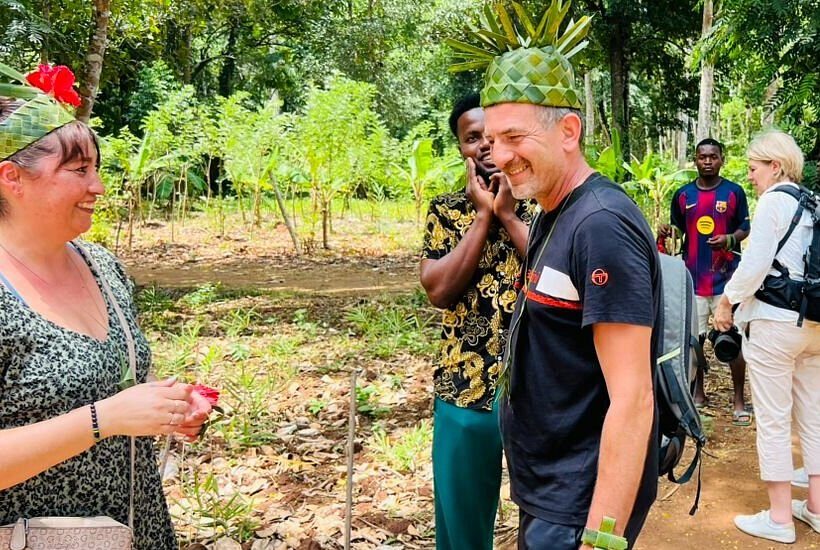
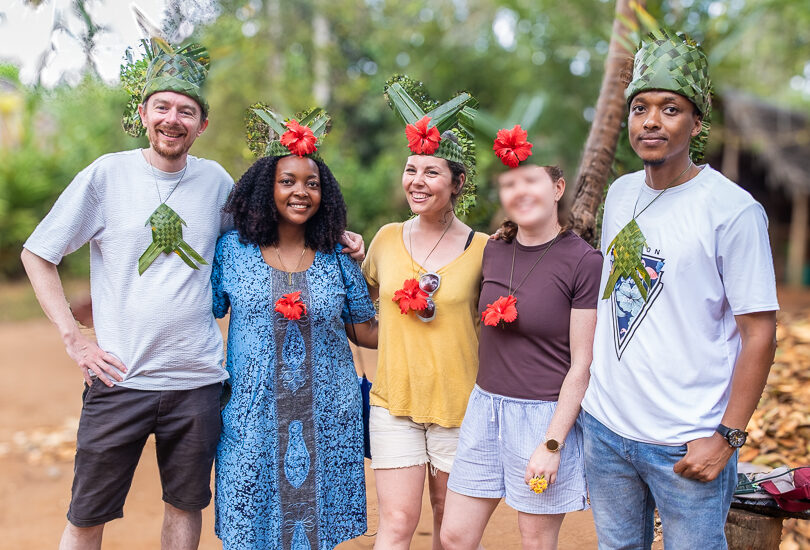
Upon reaching the designated Zanzibar spice farm, you’re welcomed by the head guide—typically the farm owner or a senior agricultural worker with decades of spice cultivation experience. Most Zanzibar village spice tours experience locations maintain simple facilities including shaded seating areas, basic restroom structures, and craft display zones where local artisans demonstrate palm weaving, henna application, and coconut product making.
Your guide provides a brief orientation explaining the plantation’s history, size, primary crops, and what you’ll encounter during the walking tour, while offering opportunities to ask preliminary questions and establish group dynamics for the 90-120 minute farm exploration ahead.
The Walking Tour Through Spice Plantations
The core Zanzibar spice farm walking tour component proceeds at a leisurely pace along established paths winding through the plantation’s diverse growing areas. Your guide stops every 3-5 minutes to identify specific plants, explain cultivation requirements, demonstrate identification techniques, and share traditional knowledge about uses and preparation methods.
At each station, you’re encouraged to engage multiple senses—crushing leaves between fingers to release aromatic oils, tasting raw spice samples to experience authentic flavors, feeling textural differences between bark, roots, and seeds, and observing growing patterns that reveal botanical relationships. The interactive teaching style emphasizes participation over passive observation, ensuring every participant leaves with genuine sensory memories and practical knowledge about tropical spice cultivation.
Throughout the Zanzibar spice plantation tour with coconut climbing experience, guides skillfully weave botanical education with cultural storytelling, explaining how specific spices integrated into Swahili cuisine, which medicinal applications traditional healers practiced, how colonial powers influenced cultivation patterns, and what role spice agriculture plays in contemporary island economics.
Special demonstrations interrupt the walking flow—coconut tree climbers shimmy up 15-meter palms using rope techniques passed through generations, demonstrating harvesting methods while explaining coconut palm versatility (food, oil, building materials, craft supplies). These performance elements add entertainment value while illustrating traditional skills that urban visitors rarely encounter in their daily lives.
Tropical Fruit Tasting and Additional Activities
Every authentic Zanzibar spice tour with tropical fruit tasting includes sampling seasonal fruits growing on or near the spice plantation. Depending on time of year, you might taste jackfruit, star fruit, passion fruit, dragon fruit, papaya, mangosteen, rambutan, and banana varieties unfamiliar to Western markets.
Guides explain how to identify ripe specimens, demonstrate proper eating techniques, share nutritional information, and reveal traditional preservation methods. This fruit tasting component provides refreshing breaks between spice identification sessions while expanding your understanding of Zanzibar’s broader agricultural biodiversity beyond the specific spices that made the island famous.
Additional activities enhancing Zanzibar spice tour cooking experience packages might include: participating in traditional meal preparation using spices you’ve just encountered, learning palm frond weaving techniques to create baskets or mats, receiving henna tattoo applications using traditional geometric patterns,
watching locals extract coconut milk by hand-grating fresh coconut flesh, observing spice drying and processing demonstrations, and purchasing fresh or dried spices directly from farmers at farm-gate prices significantly below Stone Town shop rates. These supplementary elements extend tour duration while deepening cultural immersion beyond purely agricultural education.
Tour Conclusion and Return Journey
As your Zanzibar local spice experience concludes, guides typically invite participants to purchase spices, essential oils, handcrafts, and fresh produce directly supporting farm families. This informal marketplace atmosphere creates authentic economic exchanges while giving visitors opportunities to acquire high-quality products at fair prices—clove bundles, vanilla pods, cinnamon sticks, lemongrass bunches, curry leaf plants, and bottled spice essential oils make excellent souvenirs or gifts.
The return drive to Stone Town or beach resorts provides reflection time for processing the sensory overload of smells, tastes, and information encountered during the plantation visit, with guides fielding additional questions and offering recommendations for experiencing Zanzibar’s spice heritage through restaurants, cooking classes, and market visits during the remainder of your island stay.
Zanzibar Spice Tour Price Per Person: Complete Cost Breakdown
Understanding Zanzibar spice tour price per person variations helps travelers budget appropriately and recognize value differences between tour options. Zanzibar spice plantation tour cost structures reflect multiple factors including group size, tour duration, lunch inclusions, hotel pickup distances, guide expertise levels, and combination with other attractions. This transparent pricing analysis reveals what you should expect to pay across different tour categories while identifying cost drivers that justify premium rates versus budget options.
Standard Group Spice Tour Pricing
Affordable Zanzibar spice farm tours operating as group experiences (8-15 participants) typically cost $25-35 per person for half-day tours from Stone Town. This baseline rate includes:
- Hotel pickup and return from Stone Town accommodations (beach resort pickups add $5-10 per person surcharge)
- 2-3 hour guided spice plantation walking tour with expert local guide
- Fresh tropical fruit tasting during the tour (5-8 seasonal fruits depending on availability)
- Coconut tree climbing demonstration and coconut fresh juice tasting
- Traditional palm weaving and craft demonstrations
- Complimentary henna tattoo application (optional)
- Spice identification covering 15-20 different spices, herbs, and plants
This $25-35 range represents genuine market rates for quality Zanzibar spice tours when booked through reputable operators like Armani Tours and Travel. Beware significantly lower prices ($15-20) often indicating rushed tours, minimal fruit samples, less knowledgeable guides, hidden fees, or pressure sales tactics for spice purchases. Conversely, prices above $40 for standard group tours generally indicate unnecessary markup rather than superior experience quality—the tour content remains essentially identical across operators within this category.
Private Spice Tour Premium
Private Zanzibar spice tour packages cost $40-55 per person for 2-person groups, $35-45 per person for 3-4 person groups, and $30-40 per person for 5-8 person groups. The private format delivers several advantages justifying 30-60% price premiums over group tours:
- Personalized pacing: Extended time at spices matching your specific interests (culinary, medicinal, photographic) without group schedule constraints
- Question access: Unlimited interaction with guide versus sharing airtime among 10-15 group tour participants
- Flexible timing: Departure times matching your schedule rather than fixed group tour slots
- Enhanced photography: Guides coordinate poses, lighting, and angles for quality photos without other tourists in frame
- Family adaptation: Slower pace for young children or extended explanations for curious teenagers
Luxury Spice Tour with Lunch
Luxury Zanzibar spice tour experience packages cost $60-75 per person, adding traditional Swahili lunch to the core spice farm visit. The Zanzibar spice farm tour with lunch included format typically features meals prepared on-site using spices and produce from the plantation you’ve just toured—creating direct connection between agricultural education and culinary application.
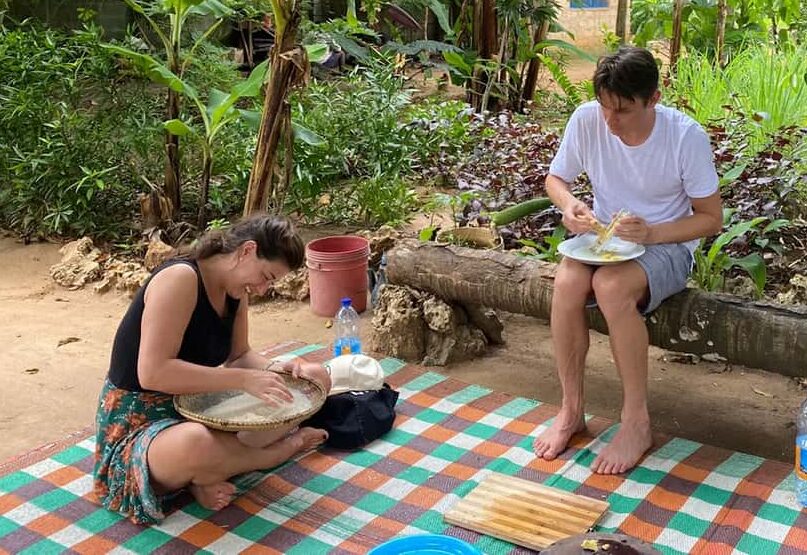
Lunch menus showcase coconut rice pilau fragrant with cardamom, grilled fish or chicken rubbed with local spice blends, vegetable curries featuring turmeric and cumin, and tropical fruit desserts. These meals occur in shaded outdoor settings with ground seating on traditional kikoi mats or elevated platforms with table service depending on farm infrastructure, lasting 45-60 minutes and adding genuine cultural immersion beyond the purely agricultural focus of standard tours.
Combination Tour Pricing
Stone Town and spice tour Zanzibar combination packages cost $70-95 per person for full-day experiences integrating both attractions. The combined format delivers significant value—booking separately costs $25-35 for spice tour plus $40-50 for Stone Town tour totaling $65-85, meaning combined rates offer minimal premium ($5-10) despite logistical convenience of single booking, one guide, and optimized routing. Similar combination pricing applies for:
| Combination Tour Type | Duration | Price Per Person | What’s Included |
|---|---|---|---|
| Zanzibar spice tour and Prison Island | 6-7 hours | $75-100 | Spice farm visit, boat to Prison Island, tortoise sanctuary, snorkeling, lunch |
| Zanzibar spice farm and Jozani Forest tour | 6-7 hours | $70-90 | Spice farm, Jozani Forest red colobus monkeys, mangrove boardwalk, lunch option |
| Zanzibar full day spice and cultural tour | 7-8 hours | $85-110 | Spice farm, Stone Town heritage tour, local market, traditional lunch |
| Zanzibar spice tour and dolphin tour | 7-8 hours | $90-120 | Spice farm, Kizimkazi dolphin swimming, snorkeling, beach lunch |
What Affects Zanzibar Spice Tour Costs
Several factors influence final Zanzibar spice tour price per person quotes beyond base tour category:
- Pickup location: Stone Town pickups included in base rates; beach resort pickups (Nungwi, Kendwa, Paje) add $5-15 per person for extended transfer distances
- Group size: Solo travelers pay 50-80% premiums for private experiences; couples receive better per-person rates; groups of 6+ access volume discounts
- Booking timing: Last-minute bookings (24-48 hours ahead) sometimes access discounts as operators fill empty tour slots; advance bookings (7+ days) ensure availability during peak seasons
- Season: Peak season (June-October, December-February) maintains full rack rates; green season (April-May) delivers 15-25% discounts as operators compete for lower visitor numbers
- Operator reputation: Established operators with certified guides, licensed vehicles, comprehensive insurance, and positive review histories charge justified premiums over budget operators cutting corners on guide quality, vehicle safety, or insurance coverage
Book Zanzibar spice plantation tour through Armani Tours: Group tours from $30/person, private tours from $45/person, luxury with lunch from $65/person. All tours include expert certified guides, hotel pickups, fruit tastings, demonstrations, and zero hidden fees. WhatsApp instant booking: +254 722 534 853
Hidden Costs to Avoid
Reputable Zanzibar spice tour booking online platforms provide transparent all-inclusive pricing, but some budget operators employ deceptive practices creating hidden costs. Be wary of:
- Suspiciously low advertised rates ($15-18) that add “mandatory” fees for fruit tastings, demonstrations, or quality guides upon arrival
- Aggressive on-site sales pressure presenting spice purchases as obligatory rather than optional
- Inflated craft pricing where demonstration “gifts” come with strong purchase expectations at multiples of fair market value
- Beach resort pickup “surcharges” not disclosed during booking, adding $20-30 to quoted prices
- Lunch inclusions using low-quality ingredients rather than traditional preparations promised in marketing materials
Booking best Zanzibar spice plantation tour deals through established operators like Armani Tours eliminates these concerns through transparent pricing, written confirmations, and service guarantees protecting travelers from exploitation common in informal booking channels. The modest 10-15% premiums charged by reputable operators deliver significant value through professional guides, reliable logistics, comprehensive insurance, and accountability when problems arise—protection worth paying for on a once-per-trip cultural experience central to most Zanzibar itineraries.
Best Spice Farms in Zanzibar: Top Plantation Locations
Identifying best spice farms in Zanzibar helps travelers select tours delivering authentic agricultural experiences rather than superficial tourist performances. The island hosts dozens of operating spice farms open to visitors, but quality varies dramatically—from genuine working plantations where spice cultivation remains the primary economic activity supplemented by tourism income, to operations existing solely for tourist demonstrations with minimal actual spice production. Understanding these differences enables informed selection of Zanzibar spice tours that provide genuine cultural immersion and educational value.
Kizimbani Spice Farm — Most Authentic Experience
Located 25 minutes from Stone Town near Dole village, Kizimbani represents Zanzibar countryside spice tours at their most authentic. This family-operated plantation spans 15 hectares of productive agricultural land where clove, cinnamon, vanilla, cardamom, pepper, and ginger cultivation generates actual commercial income beyond tour fees.
The farm’s guides—typically family members who’ve worked the land for decades—deliver genuine agricultural expertise rather than rehearsed scripts, explaining real cultivation challenges, market price fluctuations, harvest timing decisions, and sustainable farming practices.
Kizimbani spice farm tour Zanzibar experiences maintain traditional character with minimal infrastructure development—visitors walk authentic farm paths between active growing areas rather than designated “demonstration zones,” encounter working farmers during their daily routines, and observe genuine agricultural processes rather than staged performances.
Tangawizi Spice Farm — Best Educational Structure
Tangawizi, situated 22 minutes north of Stone Town, balances authenticity with educational accessibility. The farm’s operators invested in clear plant labeling, dedicated demonstration areas organized by spice categories, and staff training producing guides who excel at explaining complex botanical concepts to non-expert audiences.
While maintaining active spice production across 12 hectares, Tangawizi added tourism-specific infrastructure—shaded seating areas, improved pathways accommodating less mobile visitors, and separate fruit tasting pavilions—without compromising agricultural authenticity. The structured approach suits first-time Zanzibar spice farm tour participants seeking comprehensive overviews and families with children benefiting from well-organized presentations breaking complex information into digestible segments.
Kidichi Spice Plantation — Historical Significance
Kidichi plantation, 28 minutes from Stone Town, offers historical depth lacking at newer tourism-focused operations. Established during Zanzibar’s 19th-century spice boom, the farm occupies lands once part of larger estates owned by Omani Arab families who developed Zanzibar’s clove industry.
Nearby Persian baths constructed by Sultan Said for his Persian wife add architectural interest making Kidichi popular for Zanzibar spice plantations near Stone Town combination tours. The plantation maintains heritage clove trees planted 150+ years ago alongside modern cultivated areas, allowing guides to contrast historical farming methods with contemporary practices while explaining how spice agriculture shaped Zanzibar’s economic and social development across centuries.
Selecting Your Spice Farm Experience
Choosing between Zanzibar’s spice plantation options depends on your priorities: maximum authenticity at Kizimbani or similar rural operations where agriculture remains primary rather than tourism; educational clarity at Tangawizi or farms invested in interpretive infrastructure aiding comprehension;
historical context at Kidichi for understanding spice agriculture’s role in Zanzibar’s past; or combination efficiency at centrally-located farms optimizing multi-stop itineraries. Reputable operators like Armani Tours work with multiple plantations, matching travelers to farms aligning with their specific interests rather than funneling all bookings to single locations regardless of suitability.
What Spices Are Found in Zanzibar: Complete Botanical Guide
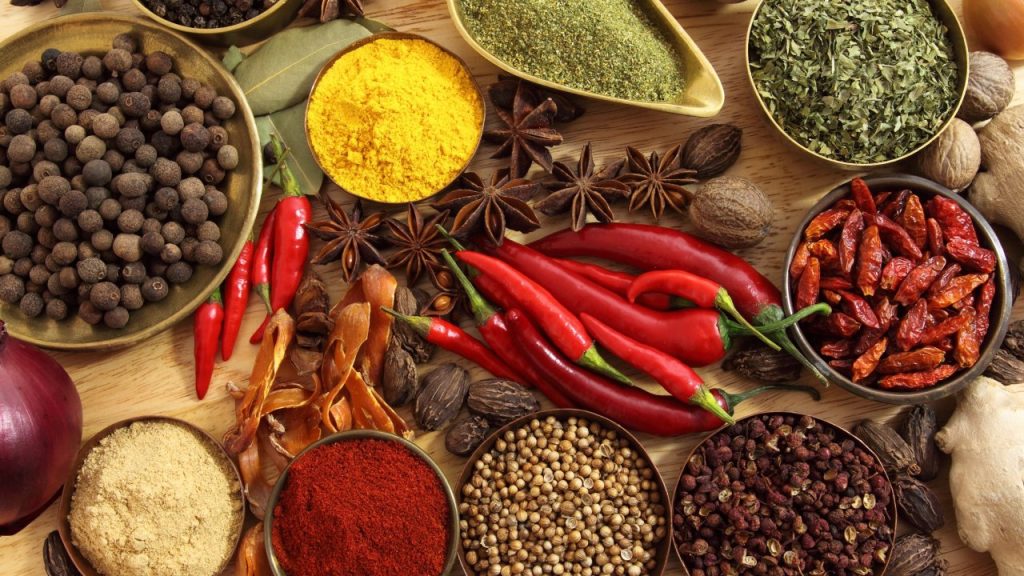
Understanding spices grown in Zanzibar enhances appreciation for the diversity encountered during Zanzibar spice tours. The island’s tropical climate, volcanic soils, and reliable rainfall create ideal conditions for cultivating numerous valuable spices originally native to Southeast Asia, India, and other distant regions but now thoroughly naturalized in Zanzibar’s agricultural landscape. Every Zanzibar spice farm tour introduces visitors to 15-25 different spice species, herbs, and aromatic plants—each with unique cultivation requirements, traditional uses, and cultural significance in Swahili cuisine and traditional medicine.
Cloves — Zanzibar’s Signature Spice
Cloves (Syzygium aromaticum) dominate Zanzibar’s spice identity and agricultural history. These aromatic flower buds grow on evergreen trees reaching 8-12 meters tall, producing clusters of pink buds that farmers harvest by hand just before blooming. After sun-drying for 3-5 days, the buds turn dark brown and develop the intense aromatic qualities making cloves valuable for cooking, traditional medicine, and essential oil extraction.
During Zanzibar spice farm tours, guides demonstrate proper harvesting timing—too early and buds lack oil content; too late and flowers open, becoming worthless. Clove trees require 7-10 years before first harvest but then produce for 50-80 years, explaining why 19th-century plantations continue yielding today. Traditional uses extend beyond cuisine into toothache relief (clove oil’s numbing properties), digestive aids, and antimicrobial applications in traditional Swahili medicine.
Cinnamon — Aromatic Bark Harvests
Cinnamon (Cinnamomum verum) cultivation on Zanzibar spice plantations involves growing trees specifically for bark harvest. Farmers cut young cinnamon saplings near ground level, encouraging multiple shoots from the base. After 2-3 years, these shoots reach ideal diameter for bark stripping. Skilled workers make longitudinal cuts through outer bark, then carefully peel inner bark layers that curl naturally as they dry into the familiar cinnamon sticks.
The fresh bark reveals beautiful reddish-brown layers and releases intensely sweet, warm aromas that define quality cinnamon. Guides on Zanzibar guided spice tours demonstrate this stripping process, explaining how inner bark quality determines commercial grades and why Zanzibar’s climate produces particularly fragrant cinnamon. Traditional applications include digestive tonics, blood sugar regulation in traditional medicine, and essential ingredients in Swahili pilau rice and chai spice blends.
Vanilla — Labor-Intensive Luxury
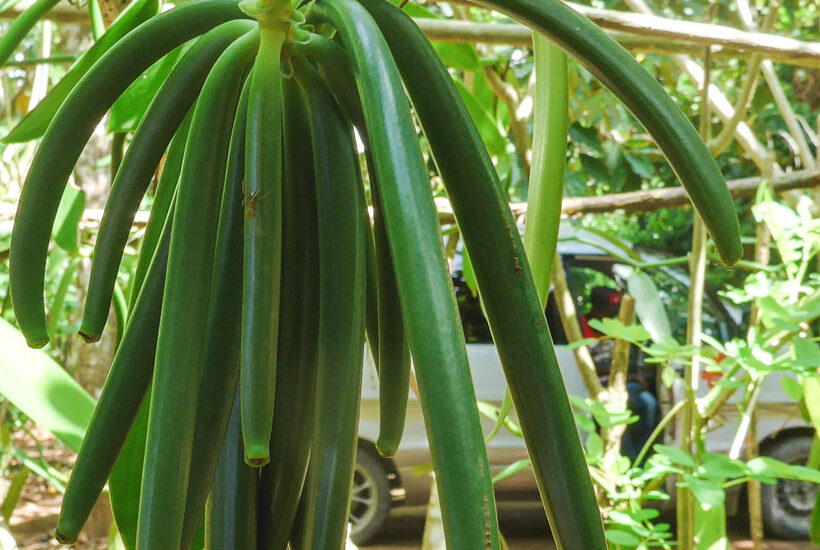
Vanilla (Vanilla planifolia) represents one of the world’s most labor-intensive crops, making it the second-most expensive spice after saffron. These climbing orchids vine up support trees on Zanzibar spice farms, producing delicate flowers that must be hand-pollinated—a single worker pollinates only 1000-1500 flowers daily. After pollination, seed pods develop over 6-9 months, requiring careful monitoring before harvest.
The green pods then undergo complex curing processes lasting 3-6 months—alternating sun exposure and wrapping cycles developing the characteristic dark color and vanilla aroma compounds. Guides explain this meticulous process during Zanzibar farm tours, revealing why authentic vanilla commands premium prices. Fresh vanilla pods taste nothing like vanilla extract—the curing process creates the familiar flavor through complex chemical transformations impossible to rush.
Black Pepper, Cardamom, and Nutmeg
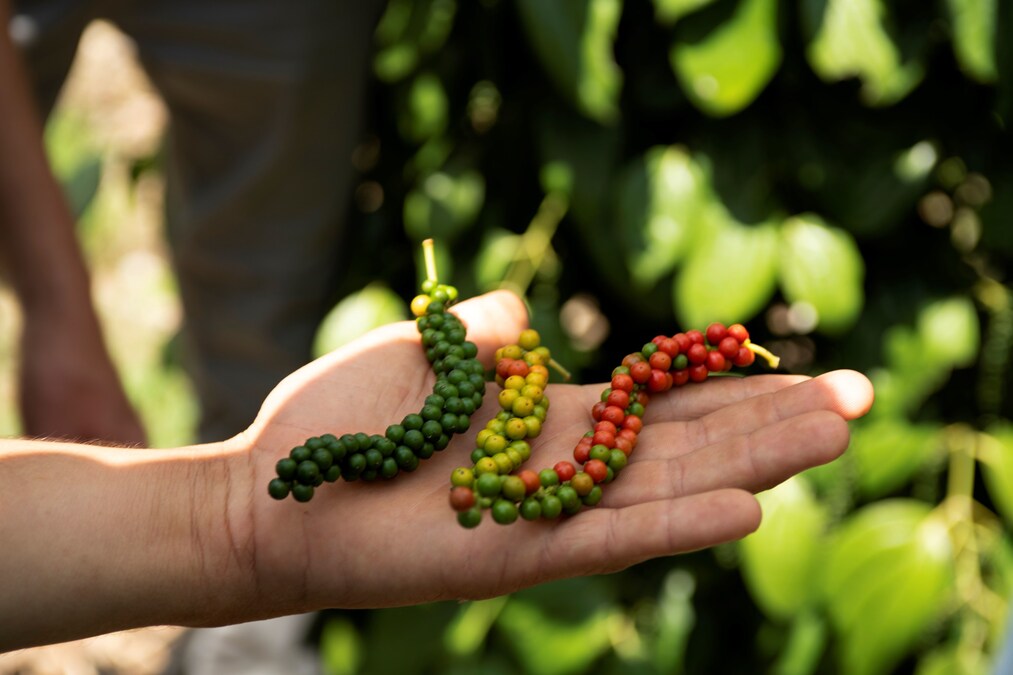
Black pepper vines (Piper nigrum) climb host trees throughout tropical spice plantations, producing clusters of small berries that turn from green to red when ripe. Sun-drying these berries creates the familiar black peppercorns, while removing outer husks before drying produces white pepper. Cardamom (Elettaria cardamomum) grows as an understory perennial, producing seed pods at ground level that harvesters collect by hand.
The pale green pods contain intensely aromatic black seeds essential in Swahili coffee ceremonies and pilau dishes. Nutmeg (Myristica fragrans) trees produce football-shaped fruits splitting open to reveal bright red mace (the lacy covering) surrounding hard brown nutmeg seeds. Both mace and nutmeg serve as distinct spices, with guides on Zanzibar spice tour with local guide experiences demonstrating how one tree yields two valuable products through careful processing.
Ginger, Turmeric, and Lemongrass
These aromatic rhizomes and grasses thrive in Zanzibar’s fertile soil. Ginger (Zingiber officinale) grows as underground rhizomes harvested after 8-10 months, with farmers demonstrating how to identify proper harvest timing by testing rhizome firmness and skin thickness. Fresh ginger on Zanzibar spice plantation tours tastes remarkably different from store-bought versions—more delicate, less fibrous, with complex citrus notes.
Turmeric (Curcuma longa) produces smaller underground rhizomes that reveal brilliant orange interior flesh when cut, explaining its use as natural dye and the distinctive color in curries. Lemongrass (Cymbopogon citratus) forms large grass clumps with aromatic leaves used fresh in teas, soups, and traditional remedies for digestive issues and fever reduction.
Aromatic Leaves and Traditional Medicine Plants
Every Zanzibar spice tour introduces numerous aromatic leaf plants with culinary and medicinal applications. Curry leaves (Murraya koenigii) provide essential flavoring in Swahili curries, with fresh leaves dramatically more aromatic than dried versions. Pandan leaves (Pandanus amaryllifolius) add distinctive vanilla-coconut aromas to rice dishes and desserts.
Ylang-ylang (Cananga odorata) produces intensely fragrant flowers harvested for essential oil production—one of Zanzibar’s export crops. Traditional medicine plants include neem trees (Azadirachta indica) with antibacterial properties, moringa (Moringa oleifera) nutrient-rich leaves, and numerous herbs treating everything from malaria symptoms to digestive complaints in traditional Swahili healing practices.
The best way to learn spice identification during your Zanzibar spice tour is through multi-sensory engagement: smell crushed leaves, taste small samples, feel textural differences, observe growth patterns, and photograph plants with your guide’s explanations. This active learning approach creates lasting memories far exceeding passive observation, ensuring you’ll recognize these spices in markets and kitchens long after your Zanzibar visit concludes.
Types of Zanzibar Spice Tours: Choosing Your Experience
Various Zanzibar spice tour formats cater to different traveler preferences, schedules, and interests. Understanding these options helps match tours to your specific priorities—whether maximizing cultural immersion, optimizing time efficiency, adding culinary elements, or combining spice farms with other Zanzibar attractions.
Standard Half-Day Group Spice Tours
The most popular format involves 4-5 hour Zanzibar half day spice tour experiences in groups of 8-15 participants. Morning departures (8:30-9:00 AM pickups) typically return to hotels by 1:00-1:30 PM, while afternoon tours (1:30-2:00 PM pickups) conclude by 6:00-6:30 PM.
This format suits travelers integrating spice tours into broader Zanzibar itineraries, allowing beach time before afternoon tours or post-tour beach relaxation after morning visits. The group dynamic creates social atmosphere—travelers from diverse countries share discoveries, compare reactions to unusual tastes, and exchange travel tips—adding communal dimension many find enhancing rather than limiting.
8:30 AM pickup, return by 1:30 PM. Social group of 8-15 travelers. Perfect for afternoon beach time.
1:30 PM pickup, return by 6:30 PM. Enjoy morning beach, social spice discovery afternoon.
Stone Town pickup, 3-4 hours. Essential spice experience, social atmosphere, lowest price.
Private Spice Tours for Families and Couples
Private Zanzibar spice tour experience packages accommodate 2-8 people with exclusive guide and vehicle, delivering personalized pacing impossible in group settings. Zanzibar spice tour for couples honeymoon travelers appreciate romantic privacy and flexibility to linger at photogenic locations.
Zanzibar family spice farm tour groups benefit from guides adapting explanations to children’s comprehension levels, incorporating more interactive demonstrations, and allowing bathroom breaks matching young travelers’ needs. Private formats enable departure timing matching your schedule rather than fixed group slots, extended question periods for botanically-curious travelers, and focus on specific interests whether culinary applications, medicinal uses, or agricultural techniques.
Exclusive 2-person experience. Romantic privacy, flexible timing, photo focus. Perfect for honeymoons.
3-6 people. Child-adapted explanations, interactive demos, flexible breaks. Educational fun ages 5+.
5-8 people. Best per-person rate for private experience. Custom pace, extended Q&A.
Choose Group Tours ($25-30) if: Budget-conscious, enjoy meeting travelers, comfortable with fixed schedules, solo traveler seeking social atmosphere. Choose Private Tours ($35-50) if: Family with young children, honeymoon/romantic trip, want flexible departure times, need personalized pacing, photographer requiring extended time, specific interests (culinary/medicinal focus).
Spice Tours with Traditional Lunch
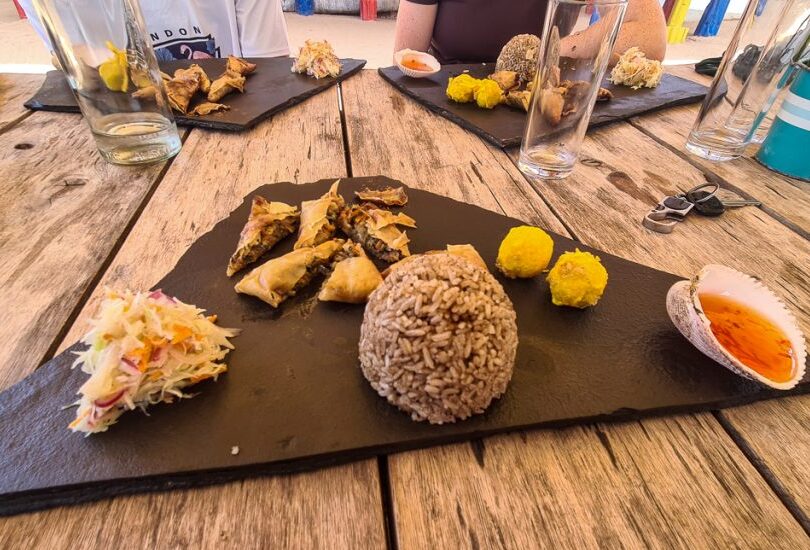
Zanzibar spice tour with traditional lunch packages extend experiences to 5-6 hours, adding authentic Swahili meals prepared using spices encountered during plantation walks. Typical menus feature coconut rice pilau fragrant with cardamom and cinnamon, grilled fish or chicken rubbed with local spice blends, vegetable curries showcasing turmeric and cumin, and tropical fruit desserts.
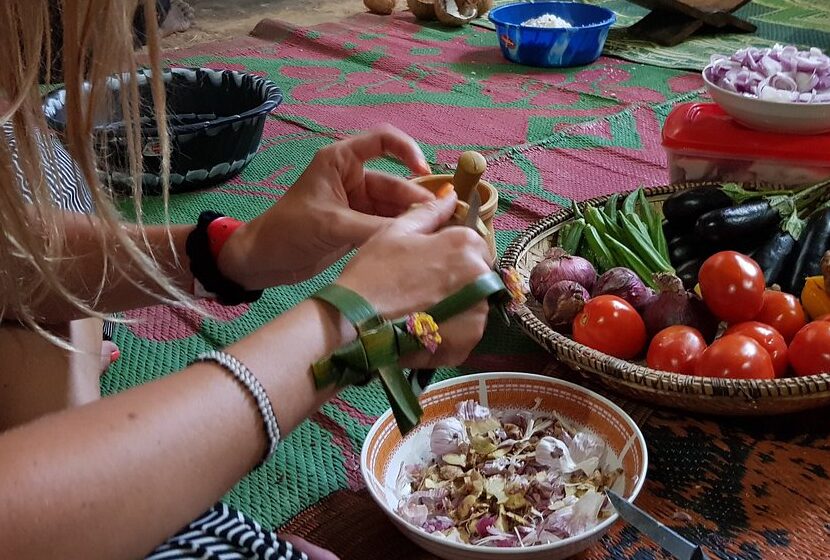
The Zanzibar spice tour cooking experience format sometimes involves participatory elements—guests help pound spices, mix curry pastes, or wrap foods in banana leaves for steaming. Meals occur in shaded outdoor settings with ground seating on traditional kikoi mats or elevated platforms with table service, creating immersive cultural dining experiences reinforcing agricultural education through direct taste connections.
5-6 hours including authentic Swahili meal using plantation spices. Coconut rice pilau, spiced fish/chicken, curry, tropical desserts. Complete farm-to-table experience.
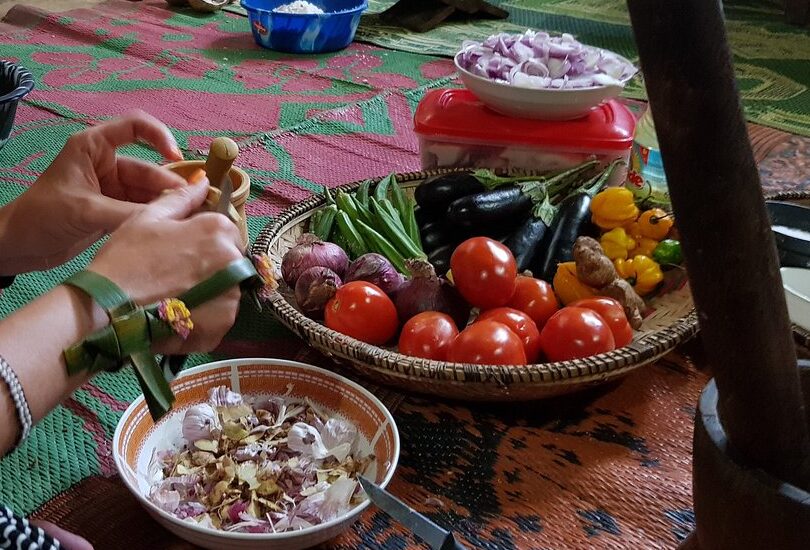
Interactive cooking participation. Pound spices, mix curry pastes, wrap banana leaf parcels. Learn authentic Swahili recipes you can recreate at home.
Premium private experience with elevated Swahili cuisine. Multiple courses, wine pairing, table service in scenic outdoor pavilion. 6-7 hours of indulgence.
Combination Cultural Tours
Efficient travelers combine spice farms with complementary attractions in full-day itineraries. Stone Town and spice tour in Zanzibar packages pair morning spice plantation visits with afternoon Stone Town heritage tours exploring UNESCO sites, spice markets, architectural landmarks, and cultural museums.
Zanzibar spice tour and local village visit experiences add authentic rural community encounters beyond the plantation setting, visiting primary schools, mosques, traditional homes, and craft workshops. These combination formats maximize cultural immersion while optimizing transfer logistics—single booking, one guide throughout, and coordinated timing eliminating gaps between separate tour bookings.
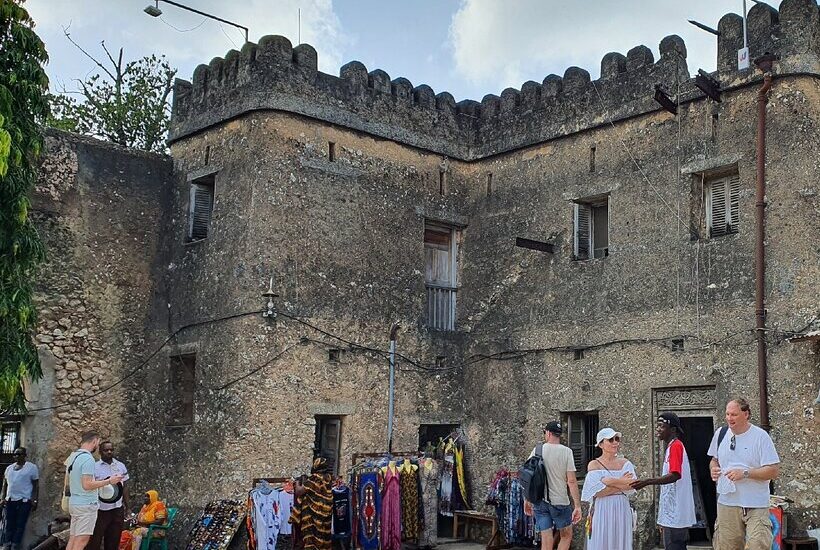
Full-day cultural immersion. Morning spice plantation, afternoon UNESCO Stone Town heritage sites, spice markets, architecture. Complete Zanzibar cultural experience in one efficient day.
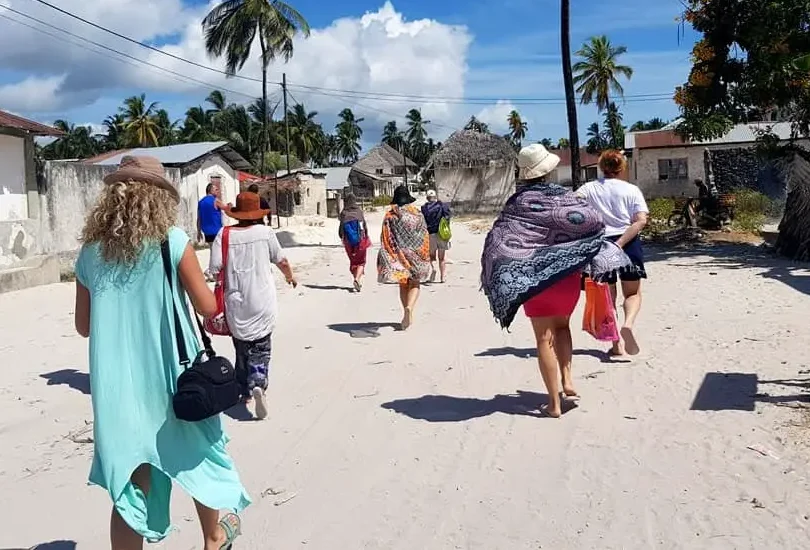
Authentic rural community encounters. Spice farm plus village school, mosque, traditional homes, craft workshops. Deep cultural immersion beyond tourist zones.
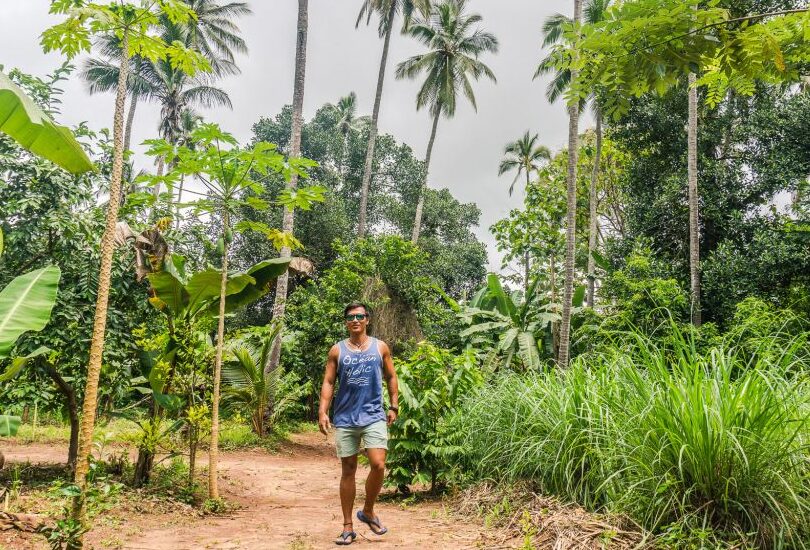
Maximum cultural depth. Extended spice plantation time, traditional lunch, village visit, local market, cultural performances. Complete Zanzibar heritage experience.
Adventure Combination Tours
Zanzibar spice farm and Jozani Forest tour combinations pair agricultural education with wildlife encounters—red colobus monkeys, mangrove ecosystem boardwalks, and coastal forest biodiversity. Zanzibar spice tour and Prison Island packages add historical sites, giant tortoise encounters, and snorkeling opportunities.
Zanzibar spice tour and dolphin tour experiences include Kizimkazi dolphin swimming, creating action-adventure days balancing cultural learning with active water sports. These combinations suit travelers maximizing diverse experiences during limited Zanzibar stays, though rushed pacing sometimes compromises depth compared to focused single-attraction tours.

Nature combination. Spice plantation education then red colobus monkey encounters, mangrove boardwalk, coastal forest biodiversity. Agriculture meets wildlife in one day.
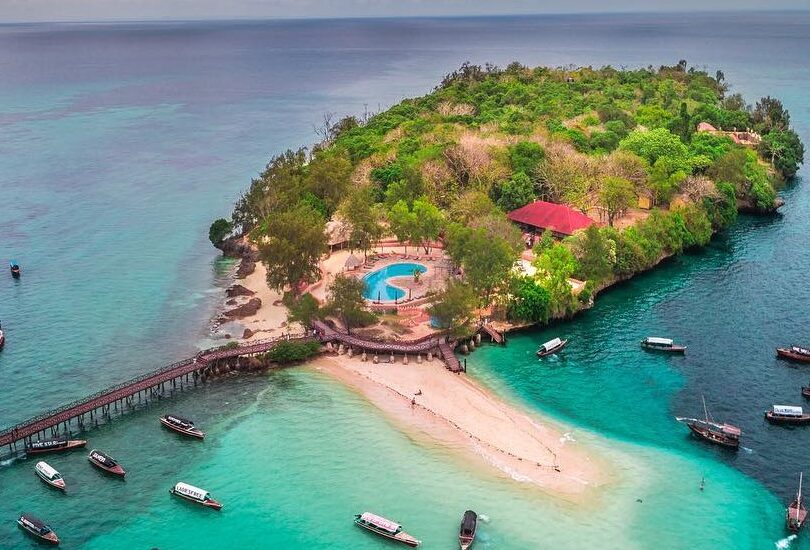
History and nature blend. Morning spice farm, afternoon boat to Prison Island for historical ruins, giant tortoises (100+ years old), snorkeling, beach time.

Action-adventure day. Spice farm cultural learning then Kizimkazi dolphin encounters (70-85% sighting rate), swimming with wild dolphins, snorkeling, beach barbecue lunch.
Combination tours deliver excellent value by pairing complementary experiences in single efficient days. Best for limited-time travelers (3-4 day Zanzibar stays) wanting diverse experiences. Stone Town + Spice maximizes cultural immersion. Jozani + Spice balances agriculture with wildlife. Prison Island + Spice adds history and water activities. Dolphin + Spice creates action-packed adventure days. All combinations include single booking, one guide, coordinated timing, and lunch options. Book through Armani Tours for seamless logistics and transparent pricing.
Specialized Interest Tours
Zanzibar food and spice tours emphasize culinary applications, spending extended time on cooking demonstrations, recipe sharing, and meal preparation participation. Zanzibar spice tour for cruise passengers compress experiences into 3-4 hour express formats matching port schedules.
Photography-focused tours allow extended time at visually compelling locations with guides coordinating optimal lighting and composition opportunities. Select operators offering luxury Zanzibar spice tour experience packages with gourmet meals, smaller group sizes (4-6 maximum), and premium transportation for travelers prioritizing comfort and service quality over budget considerations.
Book Zanzibar Spice Tour: Expert Booking Strategies
Strategic booking approaches help secure optimal Zanzibar spice tour experiences at fair prices while avoiding common pitfalls that diminish tour quality or create unnecessary costs. Understanding booking channels, timing considerations, and verification criteria enables confident tour selection matching your specific needs and budget parameters.
Online Booking vs On-Arrival Booking
Book Zanzibar spice tour online approaches through established operators like Armani Tours offer significant advantages over on-arrival booking at Stone Town tour desks. Online booking provides: transparent pricing with written confirmations eliminating verbal misunderstandings; verified operator credentials and insurance documentation protecting travelers; advance hotel pickup coordination ensuring timely departures;
secure payment processing avoiding cash-only demands; customer service access before, during, and after tours; and typically better rates as operators compete for advance bookings rather than capitalizing on captive audiences at arrival. Zanzibar spice tour booking online platforms also enable review verification, itinerary comparison, and refund policy assessment impossible when booking on-street with aggressive touts.
Optimal Booking Timeline
For Zanzibar guided spice tour reservations, ideal booking timing balances availability certainty with rate flexibility. Peak season (June-October, December-February) benefits from 5-10 days advance booking ensuring tour availability during periods when operators manage capacity.
Green season and shoulder months (March-May, November) tolerate 2-4 days advance booking, sometimes accessing last-minute discounts as operators fill empty tour slots. Extremely short notice (24 hours) risks limited availability or rushed confirmations with suboptimal operators, while excessively early booking (30+ days) rarely delivers pricing advantages for standard tours—unlike safari packages where early booking incentives exist.
Verification and Quality Indicators
Reputable Zanzibar spice excursion packages operators demonstrate several quality indicators distinguishing professional services from opportunistic operations. Look for: business registration documentation and tourism licensing from Zanzibar authorities; comprehensive liability insurance covering passenger accidents and vehicle incidents; verifiable physical addresses rather than mobile-only contacts;
detailed written itineraries specifying inclusions, exclusions, pickup times, and duration; transparent cancellation policies with reasonable terms; responsive pre-booking communication answering questions substantively; and established online presence with substantial review histories across multiple platforms (TripAdvisor, Google, Viator) showing consistent positive feedback patterns.
Price Comparison and Hidden Fee Detection
When evaluating best Zanzibar spice plantation tour deals, compare total costs rather than advertised base rates. Unscrupulous operators advertise unrealistically low headline prices ($15-18) then add “mandatory” surcharges for hotel pickups ($8-12), quality guides ($5-8), fruit tastings ($5), and demonstrations ($5-8)—transforming $15 headline rates into $38-51 final costs exceeding honest operators’ transparent $28-35 all-inclusive pricing.
Request written cost breakdowns specifying: base tour rate, hotel pickup inclusion/surcharge, any admission or entrance fees, guide gratuity expectations (should be optional, not mandatory), meal inclusions if applicable, and activity surcharges. Reject bookings with vague “additional fees may apply” language or operators refusing written price confirmations.
Group Size and Tour Customization
Private Zanzibar spice tour packages require clear specification of group size, desired departure times, special requirements (dietary restrictions if lunch included, mobility limitations affecting walking, photography focus, child-friendly adaptations), and preferred spice farm locations if you’ve researched specific plantations.
Quality operators accommodate reasonable customization requests without excessive surcharges—flexible departure timing, extended tour duration, adding cultural elements like village visits, or combining with complementary attractions. Be wary of operators claiming “fully customizable” experiences then imposing rigid structures or charging exorbitant premiums for minor modifications.
🌿 Book Your Authentic Zanzibar Spice Tour Today
Experience the legendary Spice Island through expert-guided plantation tours featuring 20+ exotic spices, tropical fruit tastings, traditional demonstrations, and authentic Swahili cultural immersion.
Best Time for Zanzibar Spice Tours: Seasonal Guide
Understanding best time for Zanzibar spice tours helps optimize your experience by aligning visits with favorable weather conditions, optimal harvest periods, and manageable tourist densities. While Zanzibar spice tours operate year-round successfully, distinct seasonal patterns affect plantation conditions, fruit availability, and overall tour comfort.
Dry Season Peak (June-October)
June through October represents ideal conditions for Zanzibar spice farm tour experiences. Low rainfall ensures comfortable walking through plantations without mud, humidity remains manageable (60-70% vs 80-90% during rainy periods), morning temperatures provide pleasant touring conditions (24-27°C), and consistent sunshine creates excellent photography lighting.
This period coincides with peak tourist season, meaning tours operate at full capacity with maximum guide availability, though also higher prices ($30-35 vs $25-30 green season rates) and larger group sizes. Clove harvesting typically occurs June-December, allowing visitors to witness actual harvest activities during plantation visits.
Hot Dry Season (December-February)
December through February delivers hot, sunny conditions ideal for Zanzibar agriculture tours despite higher temperatures (28-32°C). Ocean breezes moderate heat somewhat, and shaded plantation paths remain comfortable. This represents Zanzibar’s second high season with near-peak pricing and substantial tourist numbers. Fruit availability peaks during these months—mangoes, jackfruits, and other tropical varieties ripen abundantly, enhancing the fruit tasting component significantly beyond what green season tours offer.
Shoulder Seasons (March, November)
March and November offer excellent value for Zanzibar spice plantation tour visits. Brief afternoon showers occur 2-4 times weekly but rarely disrupt morning tour schedules, tourist numbers decline substantially creating more intimate group experiences, and prices drop 15-25% below peak rates. Plantations appear particularly lush after rain, spice aromas intensify in humid conditions, and reduced tourist density means guides provide more attention to individual questions and interests. These months suit budget-conscious travelers comfortable with occasional weather uncertainty.
Green Season (April-May)
Zanzibar’s “long rains” season (April-May) brings highest rainfall but also deepest discounts (25-35% off peak rates) and minimal tourist crowds. Rain typically manifests as intense 1-2 hour afternoon thunderstorms rather than all-day drizzle, with mornings often sunny—making morning Zanzibar spice tour departures feasible most days.
Plantations reach maximum lushness, new growth appears on trees and vines, and aromatic intensity peaks as rain releases fragrant oils from soil and vegetation. This season suits flexible travelers prioritizing budget and authentic “working farm” atmosphere over guaranteed perfect weather, though occasional tour postponements or rushed visits between rain showers require schedule flexibility.
Time of Day Considerations
Morning tours (8:30-11:30 AM) provide cooler temperatures, better photography light, and higher guide energy levels compared to afternoon slots (1:30-5:00 PM). However, afternoon tours suit travelers preferring leisurely mornings, those combining spice farms with morning beach activities, and visitors avoiding peak midday heat entirely. The actual spice experience quality remains identical between morning and afternoon tours—timing selection should prioritize your broader daily schedule rather than assume morning tours deliver superior content.
Zanzibar Spice Tour Sample Itinerary: What Your Day Looks Like
This detailed Zanzibar spice tour itinerary illustrates exactly how a typical half-day experience unfolds, helping travelers understand timing, activities, and what to expect at each stage of this immersive cultural excursion.
8:30 AM — Hotel Pickup
Your Zanzibar spice tour with hotel pickup begins when your guide collects you from your Stone Town accommodation or beach resort. The air-conditioned vehicle accommodates your group (2-8 private tour, 8-15 group tour), with introductions establishing friendly atmosphere for the morning ahead. Your guide provides overview of the day’s activities, answers preliminary questions, and explains the 25-minute drive route through Zanzibar’s countryside to the selected spice plantation.
9:00 AM — Journey Through Rural Zanzibar
The scenic drive passes traditional Swahili villages, roadside fruit stands, mosques with distinctive minarets, coconut palm groves, and small agricultural plots where locals cultivate cassava, maize, and vegetables. Your guide points out architectural features, explains village structures, identifies crops, and shares stories about contemporary rural life. This contextual education prepares you for the agricultural communities you’ll encounter at the spice farm, transforming transfer time into cultural learning rather than mere transportation.
9:25 AM — Arrival at Spice Plantation
Upon reaching the Zanzibar spice farm, you’re welcomed by the head farmer or plantation manager. Brief restroom break allows settling in before the walking tour commences. Your guide explains the farm’s history, size, primary crops, and sustainable farming practices while palm weavers and craft demonstrators set up displays you’ll visit later. This orientation establishes foundational knowledge about spice agriculture in Zanzibar’s tropical ecosystem.
9:35 AM-11:15 AM — Guided Spice Plantation Walking Tour
The core Zanzibar spice farm walking tour proceeds through the plantation at a leisurely pace, stopping every 3-5 minutes for detailed plant identifications. Your experience includes:
- Clove trees (9:35-9:45 AM): Examining dried clove buds, smelling fresh flower buds if harvest season, learning historical context of Zanzibar’s clove industry
- Cinnamon demonstration (9:45-9:55 AM): Watching bark stripping technique, feeling cinnamon layers, tasting fresh inner bark
- Vanilla vines (9:55-10:05 AM): Understanding hand-pollination requirements, seeing green pods before curing, learning why vanilla costs so much
- Tropical fruit tasting break (10:05-10:20 AM): Sampling 5-8 seasonal fruits (jackfruit, star fruit, passion fruit, papaya, depending on availability)
- Black pepper, cardamom, nutmeg (10:20-10:35 AM): Examining growing patterns, crushing seeds to release aromas, tasting fresh samples
- Coconut tree climbing demonstration (10:35-10:45 AM): Watching traditional rope climbing technique, drinking fresh coconut juice
- Ginger, turmeric, lemongrass (10:45-10:55 AM): Digging up rhizomes to show underground growth, seeing brilliant turmeric color
- Medicinal plants and aromatic leaves (10:55-11:10 AM): Learning traditional medicine applications, crushing curry leaves, smelling ylang-ylang flowers
11:15 AM — Traditional Demonstrations and Shopping
Post-walking activities include palm weaving demonstrations (creating baskets and mats from coconut fronds), optional henna tattoo applications using natural dyes, and informal marketplace where you can purchase fresh spices, dried products, essential oils, and handcrafts directly from farmers at fair prices significantly below Stone Town shop rates. This 20-minute segment provides relaxed atmosphere for questions, photography, and economic exchange supporting farm families.
11:35 AM — Return Journey
The drive back to Stone Town or beach resorts allows reflection on the sensory overload of smells, tastes, and botanical information encountered. Guides field additional questions, recommend spice-focused restaurants in Stone Town, suggest complementary Zanzibar day tours, and provide insights about experiencing Swahili culinary culture during your remaining island time.
12:00-12:30 PM — Hotel Drop-off
You’re returned to your accommodation with newfound appreciation for tropical agriculture, deeper understanding of Zanzibar’s “Spice Island” identity, and practical knowledge enabling spice identification in markets and kitchens long after your Zanzibar spice tour concludes. The afternoon remains free for beach activities, Stone Town exploration, or simply relaxing and processing the morning’s cultural immersion.
Zanzibar Spice Tour Combination Packages: Maximizing Your Day
Strategic combination tours pair Zanzibar spice tours with complementary attractions, maximizing cultural diversity while optimizing transfer logistics and costs. These integrated experiences suit travelers with limited Zanzibar time who want comprehensive island exposure beyond single-focus activities.
Stone Town and Spice Tour — Cultural Immersion Combo
Stone Town and spice tour Zanzibar combinations represent the most popular full-day package, pairing agricultural education with urban cultural heritage. Typical itineraries feature morning spice plantation visits (8:30 AM-12:00 PM) followed by afternoon Stone Town walking tours (1:30-5:00 PM) exploring UNESCO World Heritage sites, spice markets where you can purchase products encountered at the farm, architectural landmarks revealing Swahili-Arabic-Indian influences, and cultural museums contextualizing Zanzibar’s complex history.
Zanzibar spice tour combined with Stone Town cultural tour packages cost $70-95 per person—modest premiums over separate bookings while delivering single-guide continuity and optimized routing. These combinations suit first-time Zanzibar visitors seeking comprehensive cultural immersion in single efficient days.
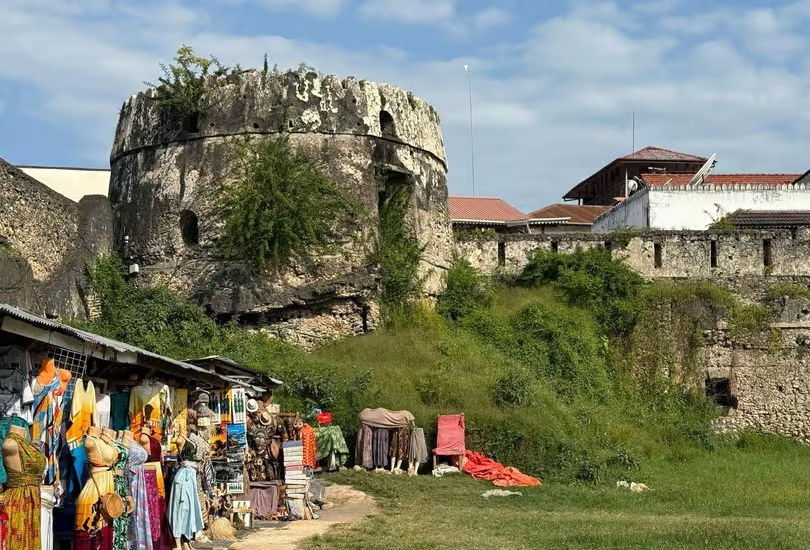
Complete cultural immersion. Morning spice plantation (8:30 AM-12:00 PM), afternoon Stone Town UNESCO sites, spice markets, architecture. Single-guide continuity, optimized routing.
Deep architectural focus. Spice farm then Stone Town’s Swahili-Arabic-Indian influences. Palace Museum, Old Fort, House of Wonders, carved doors, coral stone buildings.
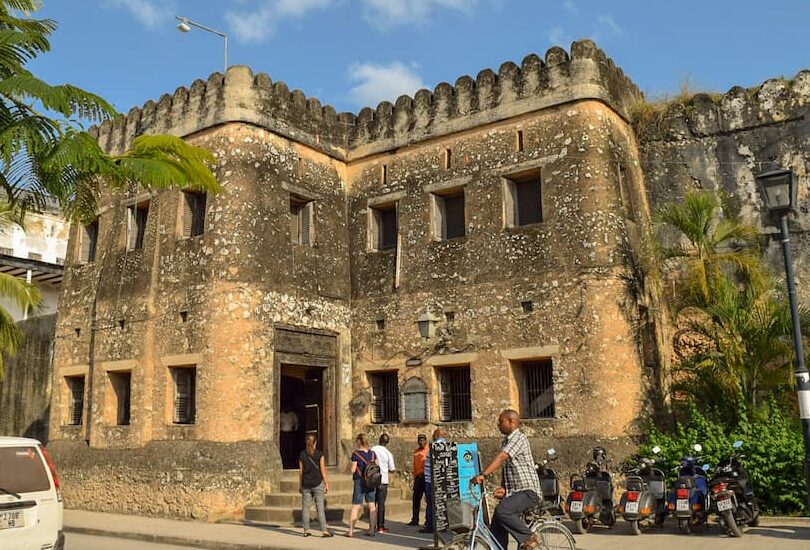
Premium private experience. Private spice farm with lunch, private Stone Town tour, museum access, rooftop restaurant dining. Complete first-timer package.
Spice Farm and Jozani Forest — Nature Combo
Zanzibar spice farm and Jozani Forest tour experiences combine botanical agriculture with wildlife encounters. After morning spice plantations, afternoon Jozani Forest visits provide red colobus monkey sightings (Zanzibar’s endemic primate species), mangrove ecosystem boardwalk exploration, and coastal forest biodiversity education.
The combination creates compelling contrast—cultivated tropical agriculture versus natural forest ecosystems, human-managed spice crops versus wild vegetation, agricultural guides versus wildlife rangers. These packages appeal to nature enthusiasts, wildlife photographers, and travelers interested in broader ecological education beyond cultural heritage alone.
Nature combination. Morning spice plantation botanical education, afternoon Jozani endemic red colobus monkeys, mangrove boardwalk, coastal forest biodiversity. Agriculture meets wildlife.

Photography-focused. Extended time with red colobus monkeys (70mm+ lens recommended), mangrove reflections, spice macro shots. Private guide coordinates best lighting.

Kid-friendly nature day. Interactive spice farm, then monkey spotting adventure. Children love red colobus antics, mangrove exploration. Educational fun ages 5+.
Spice Tour and Prison Island — History and Nature
Zanzibar spice tour and Prison Island combinations pair morning plantation visits with afternoon boat trips to Changuu Island (Prison Island). The island features historical prison ruins never actually used for their intended purpose, giant Aldabra tortoise sanctuary with centenarian specimens, coral reef snorkeling opportunities, and beautiful beaches perfect for swimming breaks.
This combination delivers diverse activities—agricultural education, historical sites, wildlife encounters, and water sports—creating well-rounded days suiting families and adventure travelers seeking variety beyond purely cultural tours.

History and nature blend. Morning spice farm, afternoon boat to Prison Island. Historical ruins, giant tortoises (100+ years old), snorkeling, beach swimming. Family-friendly variety.

Extended snorkeling focus. Spice farm morning, then Prison Island coral reefs (2+ hours water time). All equipment included. Swimming with tropical fish, turtle sightings possible.
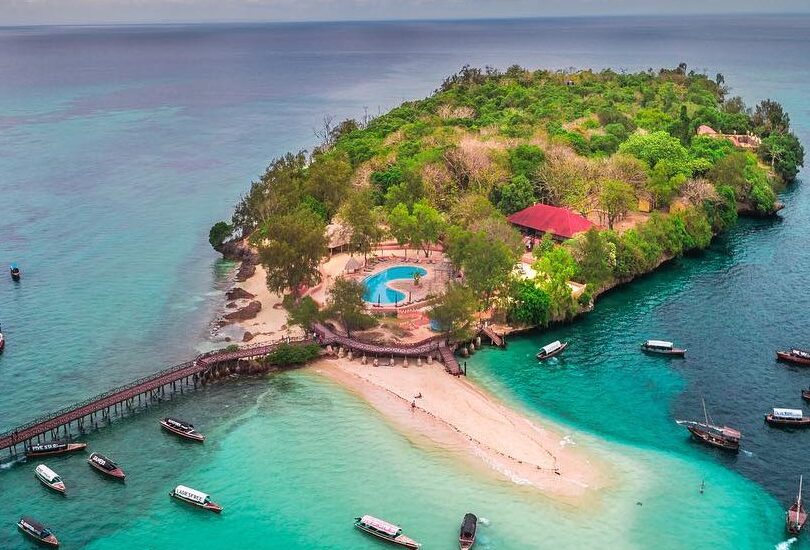
Private romantic day. Exclusive spice tour, private boat to Prison Island, secluded beach picnic, sunset return. Perfect honeymoon or anniversary experience.
Spice and Dolphin Tour — Adventure Combo
Zanzibar spice tour and dolphin tour packages combine morning spice farms with afternoon Kizimkazi dolphin encounters on Zanzibar’s southern coastline. After cultural education at plantations, you’ll boat to dolphin grounds for swimming opportunities with wild bottlenose and humpback dolphins (sighting probability 70-85% depending on season), snorkeling on coral reefs, and beach barbecue lunches. These action-oriented combinations suit active travelers, especially couples and families with teenagers, balancing contemplative cultural learning with exciting water activities.

Action-adventure day. Spice farm cultural learning, then Kizimkazi dolphin encounters (70-85% sighting rate). Swimming with wild dolphins, snorkeling, beach barbecue lunch.

Perfect for teens and active families. Spice farm then dolphin adventure. Swimming, snorkeling, beach games. Action-packed day balancing culture and excitement.

Premium private adventure. Private spice tour with lunch, private boat to dolphins (smaller groups = better encounters), gourmet beach lunch, photographer included.
Full-Day Cultural Immersion Tours
Zanzibar full day spice and cultural tour experiences maximize cultural depth through extended plantation time, traditional lunch preparations, village visits beyond tourist farms, local market stops, and cultural performances.
These comprehensive packages cost $85-110 per person but deliver unmatched cultural immersion—you’re experiencing Zanzibar’s agricultural heritage, contemporary rural life, urban market dynamics, and traditional entertainment in single cohesive experiences. Ideal for culturally-focused travelers, anthropology enthusiasts, and visitors prioritizing authentic interaction over conventional tourist attractions.
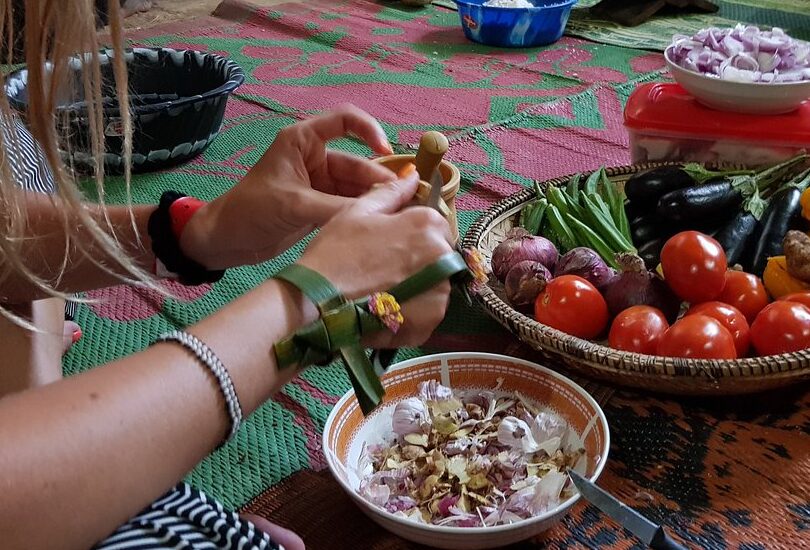
Maximum cultural depth. Extended spice plantation, traditional lunch cooking, village school visit, local market, cultural performances. Complete Zanzibar heritage experience.
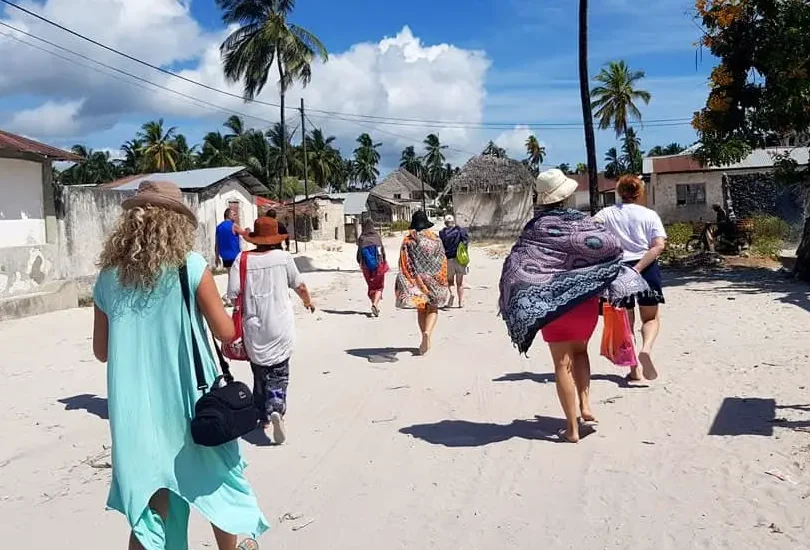
Deep rural encounters. Spice farm, traditional village home visits, mosque tour, primary school interaction, craft workshops. Authentic community experiences beyond tourist zones.
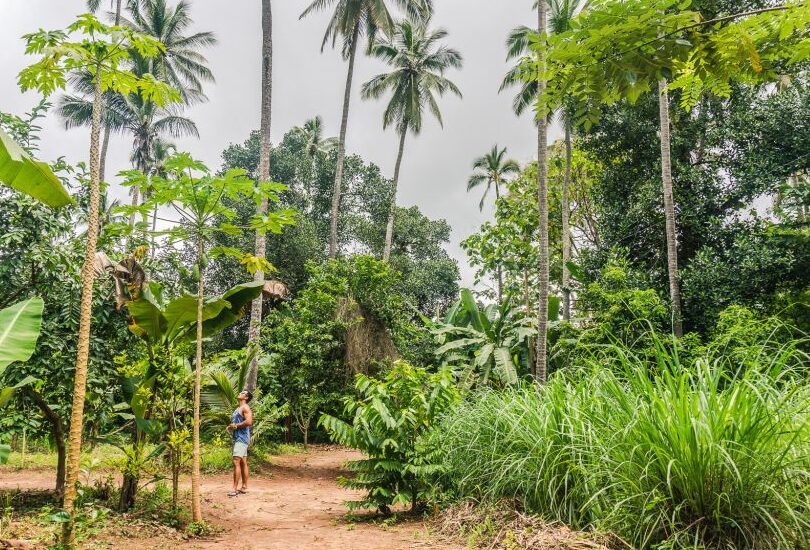
Culturally-focused deep dive. Spice farm heritage, Swahili cultural expert, extended Q&A, traditional ceremonies, market dynamics, oral history sessions. For serious culture enthusiasts.
When booking combination packages pairing Zanzibar spice tours with other attractions through Armani Tours, specify your primary interest so guides allocate time accordingly. If spices are priority, request extended plantation time with compressed secondary activities. If equal balance matters, communicate that preference for appropriate pacing across both components.
Zanzibar Spice Tour Travel Tips: Expert Recommendations
These practical tips help maximize your Zanzibar spice tour experience while avoiding common mistakes that diminish tour quality or create unnecessary complications.
What to Wear and Bring
Comfortable walking shoes with closed toes protect feet while walking plantation paths—avoid sandals as uneven ground, thorny plants, and occasional mud (especially green season) make them impractical. Lightweight, breathable clothing in neutral colors suits Zanzibar’s climate while respecting conservative Muslim culture—covered shoulders and knees demonstrate cultural sensitivity even though tourist areas tolerate casual dress. Wide-brimmed hats and quality sunglasses protect against tropical sun during open-air demonstrations. Small backpacks or cross-body bags keep hands free for handling spices and taking photos.
Essential items include: reef-safe sunscreen (SPF 50+ minimum), insect repellent with 30-50% DEET (mosquitoes and small flies frequent plantation areas), camera with extra batteries and memory cards (expect 100-200 photos), reusable water bottle (guides provide water but personal bottles reduce plastic waste), small notebook for recording spice names and uses if you’re particularly interested, hand sanitizer or wet wipes (you’ll handle many plants and eat fruit samples), and modest cash (US dollars or Tanzanian shillings) for purchasing spices and crafts from farmers.
Photography Guidelines
Most Zanzibar guided spice tours welcome photography, but always ask permission before photographing farmers, guides, or craft demonstrators—many appreciate photos but some decline for cultural or privacy reasons. Avoid flash photography during indoor demonstrations as sudden bright lights startle subjects and create harsh lighting. Macro photography capability captures beautiful detail shots of spice flowers, seed structures, and bark textures. Request guides to pose with spices for scale reference and identification documentation you’ll appreciate when reviewing photos later.
Engaging Effectively with Guides
Quality Zanzibar spice farm walking tour guides possess vast knowledge but won’t necessarily volunteer every detail without prompting—asking questions encourages deeper explanations and reveals information beyond standard presentations. Inquire about cultivation challenges, market price fluctuations, sustainable farming practices, climate change impacts, how younger generations view agriculture careers, and personal farming experiences. These conversations transform tours from scripted presentations into genuine cultural exchanges.
Spice Purchasing Advice
Buying spices directly from farmers at plantation tour conclusions supports local economies while accessing high-quality products at fair prices (typically 40-60% below Stone Town tourist shop rates). Focus on products difficult to find elsewhere—whole vanilla pods, fresh turmeric roots, lemongrass bunches, curry leaf plants, authentic ylang-ylang oil. Avoid overpaying for common spices like black peppercorns available anywhere. Request demonstrations of authentic products versus adulterated versions sold in tourist markets—real vanilla has complex aroma profiles; fake vanilla smells artificial and one-dimensional.
Respecting Cultural Sensitivities
Zanzibar’s predominantly Muslim population appreciates visitors demonstrating cultural respect. Remove shoes before entering any buildings or covered structures. Decline offered food or drink by placing right hand over heart and saying “asante” (thank you) if you’re not consuming it. Photography inside mosques requires permission and modest dress. Learn basic Swahili greetings—”Jambo” (hello), “Habari” (how are you), “Asante sana” (thank you very much), “Karibu” (welcome)—as guides and farmers genuinely appreciate language efforts even if your pronunciation isn’t perfect.
Health and Safety Precautions
Standard health precautions for Zanzibar spice tours include: malaria prophylaxis (consult travel doctor 6-8 weeks before travel—risk exists though lower in coastal areas), drinking only bottled water (avoid tap water and ice from uncertain sources), eating only fully cooked foods during farm meals (if lunch included), applying insect repellent especially during green season, and carrying any personal medications in original packaging. Most tourists experience zero health issues during spice tours, but basic precautions prevent avoidable problems.

Is Zanzibar Spice Tour Worth It? Honest Assessment
The definitive answer to “is Zanzibar spice tour worth it” is yes—overwhelmingly so—based on consistent 4.7-4.9 star ratings across major booking platforms, 95%+ visitor satisfaction scores, and feedback identifying spice tours as highlights of Zanzibar visits. However, understanding what makes these experiences valuable helps set appropriate expectations and ensures you select tour formats matching your specific interests.
Educational Value
Zanzibar spice tours deliver exceptional educational content rarely accessible elsewhere. Where else can you examine vanilla orchid pollination requirements firsthand, watch cinnamon bark stripping demonstrations, taste fresh nutmeg fruit, smell ylang-ylang flowers on trees, and learn traditional medicinal applications for dozens of tropical plants—all in single mornings guided by farmers with decades of cultivation experience?
This botanical education transforms grocery store spice aisles from abstract ingredient collections into concrete knowledge about plant origins, growing requirements, harvesting techniques, and traditional applications. Post-tour, travelers consistently report enhanced culinary appreciation and ingredient awareness persisting long after Zanzibar visits conclude.
Cultural Immersion
The Zanzibar cultural experience dimension extends beyond agriculture into genuine encounters with rural Swahili communities. Meeting farmers in their working environments, observing traditional craft techniques, participating in cultural demonstrations, and supporting local economies through direct purchases create authentic connections impossible in beach resort bubbles or purely commercial tourist zones.
These human interactions—sharing stories about farming challenges, discussing how tourism impacts communities, learning traditional knowledge from elders, watching children practice English greetings—deliver cultural depth that many travelers identify as their most meaningful Zanzibar memories.
Sensory Engagement
The multi-sensory nature of Zanzibar spice plantation tour experiences creates unusually vivid memories. Crushing clove buds releases aromatic oils coating fingers for hours afterward. Tasting fresh jackfruit, star fruit, and passion fruit introduces flavor profiles different from imported supermarket versions.
Feeling cinnamon bark layers, ginger rhizome textures, and vanilla pod surfaces engages tactile learning often absent from conventional sightseeing. Watching coconut tree climbers demonstrate rope techniques provides visual drama supplementing botanical education. These sensory elements create comprehensive learning experiences far exceeding passive museum visits or lecture-based tourism.
Value for Money
At $25-35 for 4-5 hour experiences including transfers, expert guides, fruit tastings, demonstrations, and comprehensive plantation tours, Zanzibar spice tours deliver exceptional value compared to equivalent cultural activities globally. Similar heritage tours in European cities cost $60-100+ for comparable duration and depth.
The modest pricing reflects Zanzibar’s developing economy rather than inferior quality—educational content, guide expertise, and cultural authenticity match or exceed expensive alternatives elsewhere. Even luxury versions with traditional lunch ($60-75) represent fair value given meal quality, extended duration, and enhanced cultural immersion components.
Who Benefits Most
Spice tours particularly suit: food enthusiasts interested in ingredient origins and traditional cuisine; culture-focused travelers prioritizing authentic local interactions; families seeking educational activities engaging children through hands-on learning; photographers pursuing unique cultural and agricultural subjects; and anyone curious about tropical agriculture, traditional knowledge systems, or Zanzibar’s historical “Spice Island” identity. The tours accommodate all fitness levels, age ranges (children 5+ to seniors), and prior knowledge—guides adapt presentations from botanical basics to advanced agricultural techniques matching audience expertise.
When Spice Tours Might Disappoint
Unrealistic expectations occasionally create disappointment. Zanzibar spice tours are working farm visits, not polished theme park attractions—facilities remain basic, paths sometimes muddy, and presentations straightforward rather than theatrical. Visitors expecting luxury resort amenities or elaborate entertainment may find authentic agricultural settings underwhelming.
Those with zero interest in plants, agriculture, or cultural learning should skip spice tours regardless of “must-do” recommendations—forcing participation in activities misaligned with your interests wastes time and money better spent on beaches, diving, or urban exploration matching your actual preferences.
Benefits of Zanzibar Spice Tours: Why Visit Spice Plantations
Beyond the obvious educational and cultural value, Zanzibar spice tours deliver multiple benefits enhancing overall Zanzibar experiences and creating positive impacts extending beyond individual visitors.
Culinary Knowledge Enhancement
Post-tour, travelers report dramatically enhanced cooking confidence and ingredient understanding. Knowing vanilla requires 3-6 months hand-curing explains premium pricing and inspires judicious use rather than wasteful excess.
Understanding fresh turmeric’s flavor complexity versus dried powder encourages seeking fresh roots when possible. Learning traditional spice blend applications in Swahili cuisine provides recipe inspiration and flavor combination ideas transferable to home cooking. Many visitors specifically attribute improved culinary skills and adventurous ingredient experimentation to knowledge gained during Zanzibar food and spice tours.
Environmental Awareness
Zanzibar agriculture tours reveal sustainable farming practices maintaining soil health, preventing erosion, conserving water, and protecting biodiversity through intercropping and organic methods. Observing how traditional farmers work with natural systems rather than against them—using shade trees for climate regulation, incorporating nitrogen-fixing plants, maintaining pest control through biodiversity—provides practical sustainability models contrasting with industrial monoculture agriculture’s environmental damages. This awareness often influences post-travel food purchasing decisions favoring sustainably-sourced spices and supporting small-scale producers.
Economic Impact and Community Support
Your Zanzibar spice tour participation directly supports rural farming communities through multiple income streams: guide wages providing stable employment, farmer tour fees supplementing agricultural income, direct spice purchases at farm-gate prices bypassing middlemen markups, craft purchases supporting artisan livelihoods, and demonstration participant compensation.
This tourism income incentivizes continued traditional agriculture preserving cultural heritage while making farming economically viable for younger generations who might otherwise abandon family lands for urban employment.
Breaking Tourist Bubble Isolation
Spice tours transport visitors beyond beach resort enclaves into authentic rural Zanzibar where most island residents actually live and work. Observing village architecture, mosque structures, agricultural practices, and daily community life provides contextual understanding of contemporary Swahili culture impossible to gain from beach hotels or Stone Town tourist zones alone. These rural encounters humanize destinations beyond postcard beach imagery, creating richer travel memories grounded in genuine cultural understanding rather than superficial scenic consumption.
Conversation Starters and Shared Experiences
The distinctive nature of Zanzibar spice tours creates memorable talking points and shared experiences bonding travel companions. Couples laugh recounting coconut climbing demonstrations, families debate which tropical fruit tasted best, and friends compare spice identification quiz performances. These shared memories strengthen relationships while creating stories entertaining dinner party audiences far more than “we sat on beaches” narratives. The educational content also provides substantive conversation material with locals, restaurant staff, and fellow travelers throughout your Zanzibar stay.
Zanzibar Spice Tour FAQ: Your Questions Answered
Zanzibar spice tour prices range from $25-35 per person for group tours, $40-55 for private tours, and $60-75 for luxury experiences with lunch. Half-day tours cost $25-45, full-day tours with Stone Town cost $70-95. Prices include hotel pickup, expert guide, fruit tasting, and traditional demonstrations. Booking through Armani Tours ensures transparent pricing with zero hidden fees.
A Zanzibar spice tour includes guided walks through spice plantations, identification of 15-20 spices (cloves, cinnamon, vanilla, cardamom), tropical fruit tasting, coconut tree climbing demonstrations, traditional medicine explanations, henna painting, and palm weaving. Tours last 2-3 hours with local Swahili guides explaining cultivation, harvesting, and uses. You’ll smell, taste, and touch fresh spices while learning about Zanzibar agriculture tourism and Spice Island heritage.
Standard Zanzibar spice farm tours last 2-3 hours. Half-day tours (4-5 hours) include hotel transfers from Stone Town or beach resorts. Full-day tours (7-8 hours) combine spice farms with Stone Town, Prison Island, or Jozani Forest. The actual spice plantation walking tour takes 90-120 minutes covering 15-20 different spices, herbs, and tropical fruits with comprehensive botanical education.
Yes, absolutely. A Zanzibar spice tour provides authentic cultural immersion, educational value about tropical agriculture, sensory experiences (smell, taste, touch), insights into Swahili heritage, and understanding why Zanzibar is called the Spice Island. It’s the most popular cultural excursion in Zanzibar with 95% visitor satisfaction ratings. At $25-35 for group tours, it delivers exceptional value compared to equivalent cultural activities globally.
Spices grown in Zanzibar include cloves (75% of world’s supply historically), cinnamon, vanilla, black pepper, cardamom, nutmeg, ginger, turmeric, lemongrass, curry leaves, ylang-ylang, and chili peppers. The island’s tropical climate and fertile volcanic soil create ideal conditions for these spices introduced by Omani sultans in the 1800s. Every Zanzibar spice tour showcases 15-20 different spice varieties during plantation walks.
Major Zanzibar spice farms are located in the central countryside: Kizimbani (20 minutes from Stone Town), Kidichi (25 minutes), and villages near Dole. The best spice plantations are 15-30 minutes inland from Stone Town, offering authentic rural experiences away from tourist beaches. Stone Town spice farm tours Zanzibar provide easy access from most accommodations with hotel pickup included in tour prices.
Yes, you can book Zanzibar spice farm tour today online through Armani Tours with instant confirmation, secure payment, and best price guarantee. Online booking ensures verified guides, transparent pricing (no hidden fees), hotel pickup coordination, and 24/7 customer support. Zanzibar spice tour booking online provides better rates than on-arrival booking at Stone Town tour desks. Book 2-7 days ahead for guaranteed availability.
Zanzibar spice tours operate year-round. Best time is June-October (dry season) and December-February for comfortable walking weather. Green season (April-May) offers lush, aromatic plantations with fewer crowds and 25-35% discounts. Morning tours (8-11am) provide cooler temperatures and better photography light. Clove harvesting occurs June-December, allowing visitors to witness actual harvest activities during Zanzibar spice plantation tours.
Some Zanzibar spice farm tours include traditional Swahili lunch with dishes featuring the spices you’ve learned about. Standard tours ($25-35) typically include fruit tasting only. Premium tours ($60-75) add full traditional lunch with coconut rice, spiced fish or chicken, and tropical fruit desserts. Zanzibar spice farm tour with lunch included packages extend experiences to 5-6 hours and provide authentic culinary immersion connecting agricultural education to taste experiences.
Yes, Zanzibar family spice farm tour experiences are excellent for families. Children enjoy interactive elements like fruit tasting, coconut climbing demonstrations, and touching/smelling spices. Tours accommodate all ages with gentle walking on flat terrain. Private Zanzibar spice tour packages allow flexible pacing for young children. Educational content engages curious kids while teaching botanical knowledge and cultural awareness in memorable, hands-on formats impossible through books or videos alone.
Conclusion: Your Zanzibar Spice Tour Journey Starts Now
The Zanzibar spice tour stands as the quintessential cultural experience revealing why this Indian Ocean archipelago earned its legendary “Spice Island” designation and how centuries of aromatic agriculture continue shaping Swahili identity, cuisine, traditional medicine, and economic livelihoods. From the moment you crush your first clove bud releasing intense aromatic oils, to tasting vanilla pods fresh from vines, to understanding why cinnamon bark must cure specific durations, to watching skilled climbers ascend coconut palms using rope techniques perfected over generations—every element combines creating immersive sensory journeys impossible to replicate through conventional tourism.
This comprehensive guide—spanning transparent pricing analysis, detailed farm recommendations, complete spice identification, strategic booking advice, honest quality assessments, and practical tips—provides everything needed to confidently select and book Zanzibar spice tours matching your specific interests, budget parameters, and travel style. Whether researching affordable Zanzibar spice farm tours for budget-conscious exploration, evaluating private Zanzibar spice tour packages for intimate family experiences, investigating Zanzibar spice tour with traditional lunch for culinary immersion, or planning Stone Town and spice tour Zanzibar combinations maximizing limited island time—you now possess authoritative knowledge enabling informed decisions and realistic expectations.
Beyond individual enrichment, your Zanzibar spice tour participation supports rural farming communities, preserves traditional agricultural knowledge, incentivizes sustainable spice cultivation, and creates economic opportunities making farming viable for younger generations who might otherwise abandon family lands. Every tour booked, every spice purchased directly from farmers, every positive review shared—these actions contribute to preserving Zanzibar’s “Spice Island” identity as living cultural heritage rather than merely historical nostalgia.
Your perfect Zanzibar spice tour awaits—whether the authentic working farm atmosphere of Kizimbani, the educational structure of Tangawizi, the historical depth of Kidichi, or the combination efficiency of centrally-located plantations. Book Zanzibar spice plantation tour through Armani Tours for verified local guides, transparent pricing, comprehensive insurance, and seamless integration with your broader Zanzibar beach holidays, Zanzibar honeymoon packages, or Tanzania safari adventures. The Spice Island calls. Aromatic discoveries await. Your cultural immersion journey begins now.
🌿 Book Your Authentic Zanzibar Spice Tour Experience
From budget-friendly group tours to luxury private experiences with traditional lunch—explore Zanzibar spice tours and discover Zanzibar spice farms through expert-guided plantation visits revealing the legendary Spice Island’s aromatic heritage.
📧 info@armanitoursandtravel.com · 📞 +254 722 534 853 · ✅ Free Consultation · ✅ Best Rate Guarantee · ✅ Zero Hidden Fees