
Best Tanzania Safari Packages & Tours 2026
Experience Africa’s greatest wildlife spectacle. Expert-guided Tanzania safari holidays combine the legendary Great Migration, Big Five encounters, and luxury lodge stays in the Serengeti and Ngorongoro.
Complete Guide to Best Tanzania Safari Packages, Tours & Holidays 2026
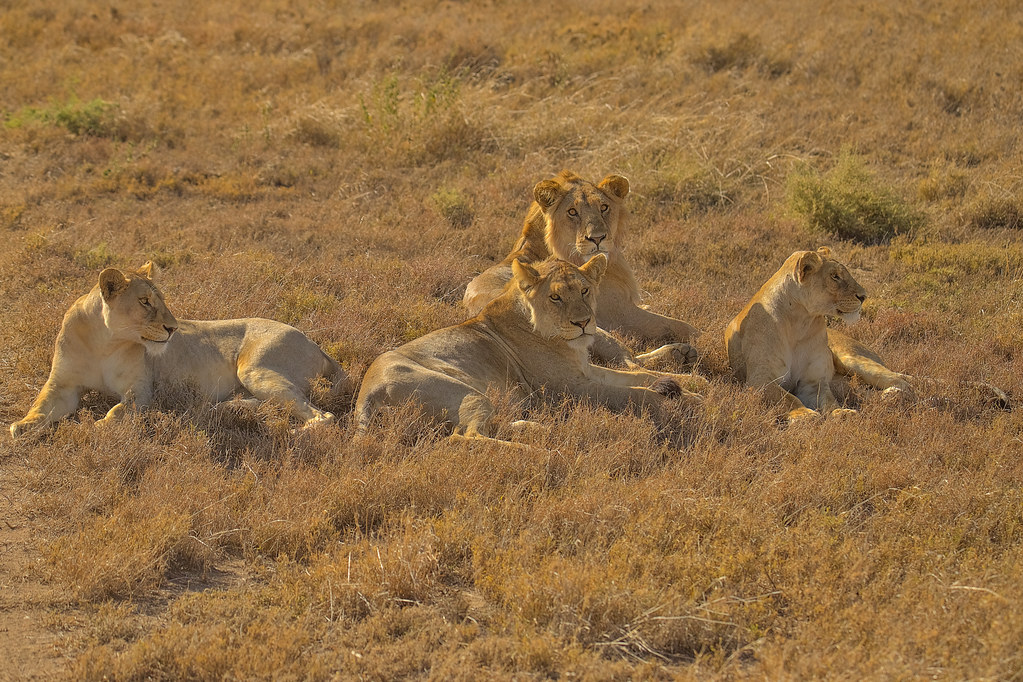
Tanzania safari tours represent one of the world’s most authentic and accessible African wildlife adventures. Whether you’re seeking a budget safari package, a mid-range vacation option, or an ultra-luxury private safari experience, this comprehensive guide covers everything required to book the perfect trip, wildlife holiday, or specialised adventure today.
Tanzania’s extraordinary diversity delivers unmatched safari opportunities: the iconic Great Migration in Serengeti National Park (July–October) brings 1.5 million wildebeest across dramatic river crossings, creating unforgettable wildlife encounters. Ngorongoro Crater features the world’s highest wildlife concentration, with 30,000 animals inside an 8,300-square-kilometre caldera. Tarangire National Park showcases thousands of elephants and diverse ecosystems, while lesser-known reserves such as Katavi, Mikumi, Gombe, and Ruaha reward travellers venturing beyond the well-worn Northern Circuit. The Big Five experience remains virtually guaranteed across the country’s protected parks and conservancies, whether you’re travelling in July, August, or during the quieter off-season months.
Professional Tanzania safari packages start from £395 for a budget 3-day camping trip to £3,800+ for ultra-luxury private tours featuring exclusive conservancy camps and personalised experiences. This definitive guide reveals insider knowledge on selecting the ideal itinerary, maximising wildlife encounters, and securing exceptional value on holiday packages with flights, accommodation included, or fully bundled deals covering everything from park fees to airport transfers.
From family-friendly packages seeking child-friendly lodges to honeymoon itineraries featuring romance and luxury, from photography-focused tours for serious shutterbugs to cultural safaris combining wildlife with Maasai communities, every traveller type discovers a trip tailored to their preferences. Discover Serengeti packages, Ngorongoro tours, and Tarangire combinations that capture the country’s extraordinary biodiversity — alongside emerging routes through Arusha National Park, the Kilimanjaro foothills, Olduvai Gorge, and Tanzania’s remote Western Circuit around Lake Tanganyika.
This guide is built for real trip planning rather than vague inspiration. You’ll find honest pricing by accommodation tier, month-by-month seasonal advice, park-by-park breakdowns covering both the famous Northern Circuit and the quieter Southern and Western reserves, and practical logistics on visas, vaccinations, and packing. Whether this is your first African adventure or your fifth return trip chasing new corners of the country, the sections below are organised so you can jump straight to what matters most to your plans.
Why Choose Tanzania Safari?
Tanzania offers the perfect balance of authentic African wildlife experiences with established infrastructure, proven safety, competitive pricing, and unmatched diversity. The best safari destinations deliver 90%+ Big Five sighting probability, spectacular landscape photography, genuine cultural immersion, and exceptional value across every budget tier. Costs per person typically run 15–30% cheaper than equivalent Kenya or Botswana experiences.
Why Tanzania Safari Tours Offer Unmatched African Wildlife & Travel Experiences
Safari travel in Tanzania delivers extraordinary value, combining world-class wildlife encounters, established tourism infrastructure, proven safety, and competitive pricing. These packages consistently deliver five-star experiences across diverse traveller demographics, from family holidays to solo adventures and everything between.
1. Iconic Great Migration & Serengeti Experience
The annual Great Migration represents nature’s most spectacular wildlife event. Serengeti experiences peak July–October, when 1.5 million wildebeest and 400,000 zebras migrate north, creating dramatic river crossings. Trips scheduled for July and September specifically target this phenomenon, and the migration season delivers river-crossing drama that defines bucket-list wildlife holidays worldwide.
2. Exceptional Big Five Safari & Ngorongoro Crater Uniqueness
Big Five encounters guarantee sightings of lions, leopards, elephants, buffalo, and rhinos across protected parks. Ngorongoro Crater hosts 30,000 animals concentrated in a single caldera, delivering 95%+ Big Five sighting probability on 2–3 day visits. This crater wildlife concentration exceeds many competing African destinations, making a Tanzania safari the ultimate Big Five choice for serious wildlife enthusiasts.
3. Established Tourism Infrastructure & Accessibility
Tanzania boasts over 80 years of professional safari tourism experience. Operators maintain mature transportation networks, communications systems, medical facilities, and emergency protocols exceeding regional standards. Kilimanjaro International Airport serves as East Africa’s premier safari gateway, with domestic connections reaching even remote strips near Katavi and Mahale. This established infrastructure makes vacation planning simpler than less-developed alternatives, whether you’re booking a deal or a premium luxury holiday.
4. Accessible Pricing & Diverse Safari Value Options
Safari costs in Tanzania remain 15–30% cheaper than equivalent Kenya, Botswana, or South Africa trips, enabling democratic access to premium wildlife experiences. Budget camping options offer authentic experiences from £95–160 daily per person. Mid-range lodge accommodations (3–4 star) cost £190–300 daily. Luxury experiences start at £420 daily. All-inclusive packages eliminate budget surprises by bundling accommodation, meals, park fees, and activities — enabling family holidays, group adventures, and vacation deals previously considered unaffordable.
5. Diverse Ecosystem & Multi-Park Adventure Potential
Safari destinations across Tanzania span multiple distinct ecosystems: Serengeti savannah grasslands, Ngorongoro highland forests, Tarangire acacia woodlands, Katavi’s remote floodplains, and Zanzibar’s coastal regions. National park diversity enables multi-park itineraries combining vastly different wildlife, vegetation, and cultural experiences within a single trip. From Serengeti-Ngorongoro combinations to Tarangire-Lake Manyara pairings, Tanzania offers unmatched destination variety. Northern Circuit routes and Southern Circuit alternatives showcase regional ecosystems differently, while the Western Circuit rewards travellers chasing chimpanzees and untouched wilderness far from the usual crowds.
6. Genuine Cultural Depth Beyond the Game Drives
Beyond wildlife, Tanzania offers some of East Africa’s richest cultural touchpoints. A stop at Olduvai Gorge introduces the archaeological story of early humankind, Maasai villages near Ngorongoro welcome respectful visitors, and coastal Zanzibar layers Swahili, Arab, and colonial history into every stone alley of Stone Town. Few countries let you pair world-class wildlife with this depth of cultural context inside a single holiday.
Best Tanzania Safari Packages for Every Budget & Traveler Type
Selecting the right package depends on budget, interests, travel duration, and comfort preferences. Professional tour operators offer diversified holiday packages across every accommodation tier, from budget camping options to ultra-luxury premium experiences. Customised itineraries enable personalised design for every kind of traveller, and most operators will happily blend elements from two or three tiers into one trip.
Budget Tanzania Safari Packages (£395–700 for 3–5 days)
Budget tours deliver authentic camping experiences through shared accommodation and group transportation. A typical 3-day package includes campsites within national parks, shared 4×4 vehicles, experienced guides, and comprehensive meal provisions. Affordable holidays sacrifice air conditioning for genuine cost efficiency while maintaining safety and wildlife encounter quality. Packages departing from Arusha often feature budget camping as an entry-level option for first-time visitors testing the waters before committing to a longer trip.
Mid-Range Tanzania Safari Vacation Packages (£950–1,700 for 5–7 days)
Mid-range packages feature 3–4 star lodge accommodations, private or semi-private vehicle transfers, and professional driver-guides. Vacation packages at this tier combine comfort with authentic experiences. Daily costs range £190–300, including meals, park fees, and game drives. Options with accommodation included streamline budgeting. This tier represents the most popular family choice, group safari option, and tailor-made itinerary for travellers seeking a quality-value balance. Booking online often includes web-exclusive discounts unavailable through phone reservations.
Luxury Tanzania Safari Holidays (£2,100–3,900 for 6–8 days)
Luxury packages feature 4–5 star lodge properties with superior amenities, private guides, and exclusive experiences. Premium tours include game drive customisation, sunset sundowners, professional photography guidance, and culinary excellence. Luxury accommodations emphasise personalised service and comfort, maximising relaxation between wildlife adventures. Tented camp properties offer sophisticated elegance across the wilderness, and safari-and-Zanzibar combinations often pair luxury lodges with coastal relaxation for a true bush-and-beach holiday.
Ultra-Luxury Conservancy Safaris (£3,500–5,500+ for 7–10 days)
Ultra-luxury private packages feature exclusive conservancy access, personal chefs, private vehicles, and bespoke itineraries. Premium experiences cater to sophisticated travellers prioritising privacy, customisation, and uncompromised indulgence. Private tours often include helicopter transfers, exclusive wildlife sightings, and personalised service unavailable in national parks. Fly-in options minimise driving time and maximise game viewing in remote areas, particularly across the Southern and Western Circuits where distances between parks are considerable.
Experience iconic safari holidays combining pristine wildlife viewing with budget accommodation in Serengeti.
✓ Shared camping ✓ 2 game drives daily ✓ Experienced guide ✓ Great Migration access (July-October)
Comprehensive vacation packages covering Serengeti, Ngorongoro, and Tarangire parks.
✓ 3 parks ✓ Private transport ✓ 4-star lodges ✓ Flexible customization
Ultimate luxury safari featuring premium accommodations and personalized experiences.
✓ Conservancy access ✓ Private guide ✓ VIP treatment ✓ All-inclusive beverages
Tanzania Safari vs Other African Safari Destinations
Many travellers researching a Tanzania safari also weigh up Kenya, Botswana, and South Africa before committing to dates and budget. Comparing a Tanzania safari against these popular alternatives reveals distinct strengths worth understanding before you book.
Tanzania Safari vs Kenya Safari
A Tanzania safari and a Kenya safari share the same Great Migration ecosystem, since the herds cross the border between the Serengeti and the Maasai Mara each year. A Tanzania safari typically offers larger parks, fewer vehicles per sighting, and lower average pricing, while a Kenya safari often provides shorter flight times from Nairobi and slightly more compact itineraries. Many travellers ultimately combine both countries into one extended East African safari trip, splitting time between a Tanzania safari itinerary and a few days across the border.
Tanzania Safari vs Botswana Safari
A Botswana safari leans heavily toward ultra-exclusive, low-density lodges in the Okavango Delta, commanding premium pricing throughout the year. A Tanzania safari delivers comparable wildlife density at a noticeably lower cost, with a far wider range of budget, mid-range, and luxury options available side by side. Photographers chasing water-based wildlife scenes may prefer Botswana, but a Tanzania safari generally wins on overall value and itinerary flexibility.
Tanzania Safari vs South Africa Safari
South Africa’s Kruger region offers excellent self-drive infrastructure and malaria-free reserve alternatives near Cape Town, appealing to first-time visitors nervous about health precautions. A Tanzania safari, by contrast, delivers the unmatched spectacle of the Great Migration and the concentrated wildlife of Ngorongoro Crater — experiences unavailable anywhere in southern Africa. Serious wildlife enthusiasts planning their first major trip frequently choose a Tanzania safari specifically for these two signature draws.
Choosing the Right Country
There’s no universally “better” option — a Tanzania safari, a Kenya safari, and a Botswana safari each suit different priorities. Budget-conscious travellers and Great Migration chasers gravitate toward a Tanzania safari, while ultra-luxury seekers sometimes prefer Botswana, and first-timers wanting simple self-drive logistics often choose South Africa.
Top Tanzania Safari Destinations & National Parks Guide

Tanzania’s national parks span multiple distinct protected areas, and each destination offers unique wildlife concentrations, landscapes, and cultural experiences. Understanding individual park characteristics enables optimal itinerary planning — whether you’re sticking to the classic Northern Circuit or venturing into the country’s wilder south and west.
Serengeti National Park — Premier Tanzania Safari Destination
Serengeti safari represents Tanzania’s most iconic and popular destination, home to the world-famous Great Migration. The park features 500+ lions, 3 million wildebeest, and exceptional Big Five sightings. Packages typically span 3–5 days combining game drives with migration viewing. Most tours include Serengeti as the cornerstone destination, particularly for July, August, and September travel.
Ngorongoro Crater — Unique Wildlife Concentration Experience
Ngorongoro Crater safari specialises in concentrated wildlife viewing — 30,000 animals in a single caldera providing virtually guaranteed Big Five encounters. Conservation area visits emphasise unique ecosystem photography and family group documentation. Ngorongoro-and-Serengeti combinations represent popular multi-park itineraries maximising Tanzania’s diversity, and are frequently compared against Kenya’s Masai Mara.
Tarangire National Park — Elephant-Focused Safaris & Acacia Woodlands
Tarangire safari covers 2,850 square kilometres and is famous for housing Africa’s largest elephant concentrations outside protected reserves. The park delivers 2,000+ elephants with stunning acacia woodland backdrops. Its packages appeal to elephant-focused photographers and wildlife enthusiasts, and comparisons with Lake Manyara help visitors choose complementary parks for a short two-stop itinerary.
Lake Manyara National Park — Scenic Rift Valley Beauty
Lake Manyara safari features unique tree-climbing lions, diverse bird populations, and stunning alkaline lake scenery. The park offers remarkable wildlife concentration despite its smaller size, and its packages serve as a popular one-day stopover within comprehensive Northern Circuit itineraries combining multiple parks.
Arusha National Park — Tanzania’s Accessible Day-Trip Safari
Sitting just 25 minutes from Arusha town, Arusha National Park safari offers giraffes, buffalo, flamingo-lined crater lakes, and views of Mount Meru within a compact 137-square-kilometre reserve. It’s the only park in the country permitting canoeing on the Momella Lakes, and its walking trails make it a favourite for travellers wanting a taste of the wild before or after their main itinerary. Many operators pair a half-day visit here with an airport transfer or as a gentle warm-up before heading to Tarangire or the Serengeti.
Nyerere National Park (Selous) — Remote Wilderness & River Wildlife
Nyerere National Park — carved from the former Selous Game Reserve — represents the country’s largest protected area, offering authentic wilderness experiences with minimal crowds. Its packages emphasise river-based wildlife viewing via boat trips along the Rufiji River, spotting hippos, crocodiles, and elephants from the water. Selous-style boat safaris remain a signature Southern Circuit experience unavailable up north.
Ruaha National Park — Hidden Gem Adventure
Ruaha National Park safari features diverse wildlife and dramatic river landscapes across 7,339 square kilometres. Its packages appeal to travellers seeking an off-the-beaten-path adventure with exceptional conservation focus, and Southern Circuit routes here showcase regional biodiversity quite differently to their northern counterparts.
Mikumi National Park — The Accessible Southern Safari
Mikumi National Park lies just a four-hour drive from Dar es Salaam, making it Tanzania’s most accessible southern reserve. Often described as a mini-Serengeti, its open Mkata floodplain hosts lions, elephants, giraffes, and large buffalo herds, and it pairs naturally with a Ruaha or Nyerere extension for travellers exploring the Southern Circuit without long flights.
Katavi National Park — Tanzania’s Wildest Frontier
Katavi National Park, tucked deep in Western Tanzania, delivers some of Africa’s most dramatic dry-season wildlife concentrations along the Katuma River, with hippo pods numbering in the hundreds and vast buffalo herds. Visitor numbers remain remarkably low, rewarding adventurous travellers with an untouched, exclusive atmosphere rarely found elsewhere on the continent.
Gombe National Park — Chimpanzee Trekking on Lake Tanganyika
Gombe National Park, made famous by Dr Jane Goodall’s decades of chimpanzee research, offers guided treks through steep forested hills along the shores of Lake Tanganyika. Though small, this Western Circuit park delivers an intimate primate-trekking experience that pairs well with a visit to neighbouring Mahale Mountains for serious wildlife enthusiasts.
Kilimanjaro — Africa’s Rooftop Safari Add-On
Kilimanjaro safari tours combine classic game viewing with treks up Africa’s highest peak. While climbing Kilimanjaro is a standalone adventure in its own right, many travellers combine a shorter acclimatisation trek or day hike on its lower slopes with a Northern Circuit itinerary, using Moshi or Arusha as a base before or after their wildlife days.
Mkomazi National Park — Rhino Sanctuary & Remote Savannah
Mkomazi National Park protects one of Tanzania’s few black rhino sanctuaries alongside African wild dogs, giraffes, and semi-arid savannah scenery near the Kenyan border. Its remoteness keeps crowds minimal, and it’s increasingly popular with conservation-focused travellers seeking a quieter alternative to the Northern Circuit’s busier parks.
Olduvai Gorge — Cradle of Mankind Cultural Stop
Olduvai Gorge tours introduce travellers to one of archaeology’s most significant sites, where fossil discoveries by the Leakey family rewrote the story of human evolution. Positioned conveniently between Ngorongoro Crater and the Serengeti, a stop at the on-site museum makes an easy half-day cultural addition to any Northern Circuit itinerary.
Zanzibar Island Safari & Beach Holidays
Zanzibar packages combine beach relaxation with cultural experiences on this historic spice island. Safari-and-Zanzibar combinations enable a genuine bush-and-beach holiday within a single trip, and beach extensions appeal to travellers seeking a wildlife-and-beach itinerary that closes out the journey in style.
Northern Circuit vs Southern & Western Circuit Safaris
The Northern Circuit — Serengeti, Ngorongoro, Tarangire, Lake Manyara, and Arusha National Park — remains Tanzania’s most popular and accessible route, well served by good roads and short transfer times. The Southern Circuit, covering Nyerere, Ruaha, Mikumi, and Katavi, rewards travellers seeking fewer crowds and a wilder, more remote atmosphere, typically reached via light aircraft. The Western Circuit, home to Gombe and Mahale, focuses on chimpanzee trekking along Lake Tanganyika and suits travellers with extra time and a taste for genuine off-the-beaten-path adventure.
| Park/Destination | Best For | Days Recommended | Key Wildlife | Accessibility |
|---|---|---|---|---|
| Serengeti | Great Migration & lions | 3-5 days | 500+ lions, migration, Big Five | Excellent |
| Ngorongoro | Concentration wildlife | 2-3 days | 30,000 animals, iconic crater | Good |
| Tarangire | Elephant encounters | 2-3 days | 2,000+ elephants, woodlands | Good |
| Lake Manyara | Tree-climbing lions | 1-2 days | Lions, birds, scenic beauty | Excellent |
| Arusha NP | Quick day-trip safari | Half-1 day | Giraffes, buffalo, Mount Meru views | Excellent |
| Nyerere (Selous) | Remote wilderness | 2-3 days | Diverse wildlife, pristine | Moderate |
| Ruaha | Off-beaten-path adventure | 3-4 days | Lions, elephants, river landscapes | Moderate |
| Mikumi | Easy southern access | 1-2 days | Lions, elephants, giraffes | Good |
| Katavi | Remote frontier wildlife | 3-4 days | Hippo pods, buffalo herds | Limited |
| Gombe | Chimpanzee trekking | 2-3 days | Chimpanzees, forest primates | Limited |
| Mkomazi | Rhino conservation | 1-2 days | Black rhino, wild dogs | Moderate |
| Olduvai Gorge | Cultural/history stop | Half day | Archaeological site, museum | Excellent |
| Kilimanjaro | Trekking add-on | 1-9 days | N/A (mountain trek) | Excellent |
| Zanzibar | Bush & beach combo | 2-3 days | Beach paradise, culture | Excellent |
Great Wildebeest Migration — Tanzania’s Premier Wildlife Spectacle

The annual Great Migration represents Earth’s most dramatic wildlife event. Serengeti experiences peak July–October, when 1.5 million wildebeest and 400,000 zebras migrate north from Tanzania’s Serengeti into Kenya’s Maasai Mara. The season peaks August–September, when massive herds attempt dangerous river crossings. Trips in July capture the migration’s arrival, while August and September deliver peak river-crossing probability of around 70–80%.
Migration Timing & Serengeti Balloon Safari Experiences
Packages timed specifically for migration season require 4–6 months of advance booking. Great Migration experiences combine lodge accommodations with consistent game drive access positioned for river-crossing viewing. A Serengeti balloon safari provides an aerial perspective of migration herds during the optimal season, and photography-focused trips during migration deliver exceptional opportunities for professional-grade wildlife images.
Migration Safari Packages & River Crossing Probability
July trips capture early migration arrival, while August and September deliver peak river-crossing probability (70–80%). October captures late migration activity before the herds’ southbound return. Extended migration packages enable longer observation periods and multiple river-crossing viewing opportunities across the season.
Migration Planning Excellence
Booking a package for migration season 5–6 months in advance (by January–February for July–October travel) secures optimal accommodations and fixed-rate pricing. Last-minute deals during migration prove exceptionally rare, as lodges maintain full occupancy. Packages including flights booked six months out ensure international coordination and seamless travel logistics.
Tanzania Wildlife & Big Five Safari Experiences
A Tanzania safari delivers Africa’s most iconic species. Big Five sightings represent safari tourism’s ultimate achievement, and understanding wildlife behaviour, habitat preferences, and sighting probabilities optimises the whole trip.
The Big Five: Lions, Leopards, Elephants, Buffalo & Rhinos
Big Five sightings remain virtually guaranteed across national parks and conservancies. Lions concentrate in Serengeti (500+ individuals) with 90%+ probability on 3–5 day trips. Elephants congregate in Tarangire (2,000+), Nyerere, and Mikumi. Leopards prove elusive but photographically rewarding, while black rhinos are best sought in Ngorongoro Crater and Mkomazi. Buffalo complete the Big Five roster, delivering authentic wilderness encounters unavailable in any zoo environment.
Additional Tanzania Wildlife Encounters (50,000+ Species)
Beyond the Big Five, safari tourism provides cheetahs, giraffes (multiple subspecies), zebras (multiple species), hippos, crocodiles, hyenas, wild dogs, and thousands of bird species. Bird watching opportunities feature 1,100+ species. Many itineraries combine mammal viewing with ornithological observations, and chimpanzee trekking at Gombe or Mahale offers primate encounters in the country’s western parks. Eco-focused packages emphasise conservation throughout.
Maasai Cultural & Wildlife Integration Experiences
Cultural safaris integrated with wildlife experiences provide Maasai warrior community visits, traditional village tours, and authentic cultural immersion. This Maasai cultural experience enriches understanding alongside wildlife encounters, and family-friendly itineraries include educational components teaching wildlife conservation and African ecology to younger travellers.
Big Five Sighting Advantages
- Iconic wildlife photography opportunities
- Educational animal behavior observation
- Achievable wildlife goals motivating bucket-list travel
- Predator-prey interaction viewing
- Conservation awareness development
- Bucket-list completion satisfaction
Safari Wildlife Viewing Challenges
- Sightings never guaranteed despite high probability
- Weather impacts game drive visibility
- Large group safari positioning limitations
- Seasonal migration absence in off-season parks
- Photography challenges in dense vegetation
- Distance limitations preventing ultra-close viewing
Tanzania Safari Experiences by Interest & Travel Style

Tanzania Photography Safari Tours
Photography-focused experiences cater to serious photographers seeking professional-grade wildlife imagery. Guides provide technical guidance on camera settings, composition, animal behaviour prediction, and optimal lighting. These tours feature prime positioning, wildlife expert guides, and extended observation periods that maximise photographic opportunities, particularly around Serengeti river crossings and Ngorongoro’s crater floor.
Tanzania Bird Watching Safari Adventures
Bird watching itineraries explore 1,100+ resident and migratory species found across the country. Ornithological tours feature expert birding guides, comprehensive field guides, and systematic habitat exploration. These adventures appeal to enthusiasts seeking rare sighting opportunities across wetlands, forests, and Rift Valley lakes alike.
Tanzania Walking Safari & Guided Trekking
Walking experiences enable on-foot wildlife viewing with armed professional guides providing animal encounter expertise and safety protocols. Guided walks differ fundamentally from vehicle-based viewing, offering intimate landscape immersion and naturalistic wildlife observation. Chimpanzee trekking at Gombe and Mahale provides a walking alternative to traditional game drives entirely.
Tanzania Night Game Drive Safari
Night drives reveal nocturnal species inactive during daylight hours: hyenas, porcupines, servals, and numerous owl species. These nocturnal experiences provide distinctive ecosystem perspectives and specialised animal behaviour documentation unavailable during day drives.
Tanzania Luxury Tented Camp Safari
Luxury tented camp experiences combine traditional canvas architecture with premium amenities: en-suite bathrooms, quality furnishings, and solar power. These properties offer sophisticated elegance across the wilderness, balancing an authentic atmosphere with comfortable sleeping arrangements.
Tanzania Fly-In Safari Experiences
Fly-in tours utilise light aircraft transfers enabling remote park access, multiple-park combinations, and luxury conservancy visits within single trips. These experiences minimise driving time, maximise game viewing, and open up access to exclusive private conservancies plus far-flung Southern and Western Circuit parks like Katavi.
Tanzania Self-Drive Safari Adventures
Self-drive options enable independent travellers to hire vehicles and navigate parks autonomously. This approach provides flexibility, personal pacing, and budget control, though it requires excellent navigation skills and wildlife safety knowledge before setting off.
Tanzania Group Safari Tours
A Tanzania safari booked as part of a small group (typically 4-8 travellers sharing a vehicle) reduces per-person costs by 15-25% compared with a private Tanzania safari, while still delivering excellent guide attention and flexible stops. Group departures run on fixed dates throughout the year, making a Tanzania safari easier to plan around known travel windows, and solo travellers often join scheduled group safaris specifically to avoid single-supplement pricing.
Tanzania Cultural Safari Add-Ons
A cultural add-on transforms a standard Tanzania safari into a richer, more rounded trip. Maasai boma visits near Ngorongoro, a market walk through Arusha, a cooking class in a local village, or a guided tour of Stone Town’s spice markets in Zanzibar all pair naturally with the wildlife-focused days of a Tanzania safari itinerary, adding depth without significantly extending the schedule.
Connectivity, SIM Cards & Staying in Touch
Local SIM cards (Vodacom, Tigo, and Airtel) are inexpensive and widely available at Kilimanjaro International Airport, providing reasonable data coverage across most of the Northern Circuit though patchier reception in remote Southern and Western Circuit parks. Most mid-range and luxury lodges on a typical Tanzania safari itinerary now offer complimentary Wi-Fi in communal areas, even if individual tents rely on generator power overnight.
Tanzania Conservation & Eco-Tourism
Conservation-focused packages prioritise environmental protection and community benefit. Eco-tourism experiences support endangered species protection, habitat conservation, and community-based tourism initiatives, appealing strongly to ethically-minded travellers who want their trip to give something back.
Tanzania Family Safari Packages & Kid-Friendly Holidays
Family packages feature child-friendly accommodations, appropriate pacing, and educational wildlife experiences. Family holidays include lodge facilities catering to children: swimming pools, activity programmes, supervised dining areas, and family rooms. These trips balance wildlife viewing with entertainment and comfort for every age group.
Kid-Friendly Lodges & Family Accommodations
Accommodations prioritise family suites, game drives appropriate for child safety, and activity schedules accommodating nap times. Family-friendly lodges offer babysitting services, children’s meal options, and kids’ clubs. Educational programmes teach wildlife conservation through interactive, hands-on activities the whole family can enjoy together.
Educational Safari Programming for Children
Educational itineraries teach wildlife conservation, animal behaviour, and African ecology. Programmes for children include nature hikes, animal tracking lessons, and ranger-led educational talks tailored to age groups, making the wildlife knowledge gained both fun and lasting.
Family Safari Planning
Booking family packages in low season (April–May, September) offers significant pricing advantages, reduced crowds, and more personalised family attention. Budget options for families remain surprisingly affordable at £160–210 daily per child with proper planning. These trips create lasting memories and wildlife knowledge that stay with children for life.
Tanzania Honeymoon Safari Packages & Romantic Getaways
Honeymoon packages feature luxury accommodations, personalised service, and romantic experiences. Romantic itineraries include sunset game drives, private dinners under the stars, couples’ spa treatments, and exclusive conservancy access, prioritising intimacy, comfort, and unforgettable moments throughout.
Luxury Honeymoon Safari Lodges & Romantic Stays
Luxury honeymoon properties feature palatial suites, champagne welcomes, gourmet dining, and personalised concierge services. Accommodations for couples emphasise romance through thoughtful amenities: rose petal turndowns, complimentary massages, private plunge pools, and specialised honeymoon packages built around the couple’s preferences.
Romantic Safari Experiences & Exclusive Activities
Bush-and-beach honeymoon combinations pair wildlife with coastal relaxation. Serengeti honeymoon itineraries feature private game drives, scenic picnics, and unforgettable wildlife encounters. Romantic lodges offer secluded locations, intimate dining, and exclusive experiences impossible in standard accommodations, and a Zanzibar extension delivers the ultimate romantic escape to close out the trip.
Customized Honeymoon Itinerary Planning
Professional operators specialise in tailored honeymoon packages combining wildlife viewing, cultural experiences, beach relaxation, and romantic adventures matching each couple’s unique preferences. Tailor-made customisation options include specific park combinations, activity preferences, and luxury level selection from budget-conscious to fully bespoke.
Tanzania Safari for Solo Travelers
A Tanzania safari suits solo travellers remarkably well, since scheduled group departures run year-round and place solo guests into shared vehicles with like-minded travellers rather than charging steep single-occupancy premiums. Most operators offering a Tanzania safari waive or reduce the single supplement on group camping and mid-range departures, making a solo Tanzania safari one of the more affordable ways to experience East Africa independently. Safety on a solo Tanzania safari is rarely a concern once inside the parks, since every game drive happens alongside a professional guide and fellow travellers.
Tanzania Safari for Multi-Generational Family Trips
A multi-generational Tanzania safari — grandparents, parents, and children travelling together — works best with a private vehicle rather than a shared group Tanzania safari, allowing flexible pacing around varying energy levels and nap schedules. Lodges catering to this kind of Tanzania safari typically offer family suites or adjoining rooms, and operators can build in rest days between park transfers so a multi-generational Tanzania safari never feels rushed for the youngest or oldest members of the group.
Proposal & Anniversary Tanzania Safari Ideas
Beyond honeymoons, a Tanzania safari increasingly serves as the backdrop for marriage proposals and milestone anniversary celebrations. Private sundowner setups overlooking the Serengeti plains, a champagne breakfast during a balloon safari, or a candlelit dinner beside a Ngorongoro-rim lodge all transform a standard Tanzania safari into an unforgettable personal milestone, and most luxury operators will help arrange these moments with advance notice.
Tanzania Safari Itineraries by Duration
Optimal itinerary selection depends on available time, interests, and physical fitness. Tour durations range from quick city escapes to comprehensive regional explorations covering multiple parks across the Northern, Southern, and Western Circuits.
2-3 Days Tanzania Safari Package
A 2-day trip represents the bare minimum duration, enabling a single Ngorongoro Crater or Lake Manyara visit, or a quick Arusha National Park day trip. A 3-day package represents the minimum satisfying duration, typically covering single-park experiences like Serengeti or Ngorongoro. Budget camping options (£395–550) deliver authentic experiences within tight schedules.
4-5 Days Tanzania Safari Itinerary
A 4-day trip enables two-park combinations: Ngorongoro (2 days) plus Lake Manyara or Serengeti (2 days). A 5-day itinerary represents the ideal entry-level duration, combining substantial wildlife viewing with a reasonable cost (£650–1,300), and covers Northern Circuit parks efficiently.
7 Days Tanzania Safari Tour — Popular Duration
A 7-day tour permits comprehensive experiences covering 2–3 parks with relaxed pacing. Typical itineraries include Serengeti (3 days), Ngorongoro (2 days), and Tarangire (2 days), Check This Tour. This duration represents the most popular choice, balancing experience depth with typical annual leave constraints, and covers most major Northern Circuit destinations comfortably.
10-12 Days Tanzania Safari Holiday
A 10-day package enables multi-park exploration combining Serengeti, Ngorongoro, Tarangire, and Lake Manyara with relaxed schedules. Extended holidays permit deeper cultural immersion and secondary wildlife experiences. A safari-and-Zanzibar package often spans 12 days, combining 7–8 days in the parks with 4–5 beach days for a genuine bush-and-beach holiday.
14 Days Tanzania Safari & East Africa Exploration
A 14-day package enables comprehensive ecosystem comparisons and genuine lifestyle immersion, and can stretch to include a Southern Circuit add-on at Ruaha or Nyerere. A safari-and-Zanzibar beach package provides the ultimate extended experience combining wildlife and beach within a single trip, and a Serengeti-and-Zanzibar combination represents an ideal two-week itinerary for most travellers.
Southern & Western Circuit Extensions
Travellers with 10+ days available increasingly add a Southern Circuit extension covering Ruaha, Nyerere, or Mikumi, or a Western Circuit chimpanzee-trekking add-on at Gombe or Mahale. These extensions typically require internal flights rather than road transfers, but reward the extra time and cost with dramatically lower visitor numbers and a genuinely different wilderness feel compared with the busier northern parks.
| Duration | Parks Covered | Pacing | Best For | Typical Cost |
|---|---|---|---|---|
| 2-3 Days | 1-2 parks | Rushed | Quick escapes | £395-650 |
| 4-5 Days | 2 parks | Moderate | Entry-level safaris | £650-1,300 |
| 7-8 Days | 2-3 parks | Comfortable | Popular choice | £1,250-2,500 |
| 10 Days | 3-4 parks | Relaxed | Comprehensive | £1,900-3,800 |
| 12-14 Days | 4-5 parks + Zanzibar | Very relaxed | Regional exploration | £2,500-5,200 |
Choosing the Right Tanzania Safari Operator
The quality of a Tanzania safari depends heavily on the operator behind it. Two identically priced Tanzania safari packages can deliver very different experiences depending on guide expertise, vehicle condition, and how closely the itinerary matches what was promised online.
Questions to Ask Before Booking a Tanzania Safari
Before confirming any Tanzania safari, ask how many guests will share your vehicle, whether the guide is a certified professional, and what happens if weather or wildlife movement forces a change of plan. A reputable Tanzania safari operator will answer these questions directly and provide references or reviews from recent travellers without hesitation.
Licensing, Insurance & Local Reputation
Confirm that any Tanzania safari operator holds a valid Tanzania Tourist Board licence and carries appropriate vehicle and liability insurance. Established operators running a Tanzania safari for 10+ years typically maintain strong relationships with lodges and park authorities, translating into smoother logistics and better last-minute problem-solving if something goes wrong mid-trip.
Booking With Confidence
A well-run Tanzania safari should include a clear, written itinerary, transparent pricing with no hidden extras, and a dedicated point of contact throughout your trip. Armani Tours provides exactly this level of transparency on every Tanzania safari package, from the first enquiry through to the final airport transfer home.
When to Visit Tanzania — Seasonal Safari Planning Guide
Understanding Tanzania’s climate and seasonal wildlife patterns enables optimal timing. The best time to travel varies based on priorities—wildlife viewing, migration season, weather, pricing, or crowd avoidance.
Peak Dry Season: July-October (Great Migration Period)
July through October combines ideal weather with peak Great Migration activity. Dry conditions and abundant wildlife create exceptional viewing probability. Packages during this window command 40–50% price premiums with maximum crowds, and August–September peaks for migration river-crossing probability but sees the highest pricing of the year.
Warm Dry Season: January-February (Best Weather, Moderate Pricing)
January and February deliver warm, dry weather and excellent wildlife visibility. This window features moderate pricing (20–30% above low season) with good game viewing and low rainfall — ideal for travellers wanting premium weather without peak-season crowds and pricing. Christmas and New Year travel windows attract plenty of holiday travellers too.
Green Season: April-May (Budget-Friendly, 40-50% Discounts)
April and May provide exceptional value (40–50% cost discounts) with excellent wildlife viewing and lush green scenery. Afternoon rains create verdant landscapes ideal for wildlife photography, with moderate pricing, good game viewing, and minimal crowds — perfect for budget-conscious travellers hunting genuine deals.
Shoulder Seasons: June, September, November (Significant Discounts)
June captures the early dry season with variable conditions and significant cost savings (50–60% discounts). September features the late dry season preceding the migration’s northern movement. November and December bring occasional afternoon rains, lush landscapes, and moderate wildlife concentrations with budget-friendly pricing throughout.
Seasonal Planning Expertise
The best time to travel depends on individual priorities. Migration watchers choose July–October. Budget travellers opt for April–May or September. Comfortable-weather seekers prefer January–February. Wildlife concentrations peak year-round in Ngorongoro regardless of season. Costs per person vary dramatically by season, enabling strategic timing for maximum value.
Tanzania Safari Pricing & Cost Breakdown Guide
Understanding cost per person enables realistic budgeting. Prices vary dramatically based on accommodation category, season, and included amenities.
Detailed Tanzania Safari Pricing by Accommodation Category
- Budget Camping Safaris: £95-160 daily per person (3-day Serengeti from £395)
- Mid-Range Lodge Safaris: £190-300 daily per person (5-day safari from £950-1,500)
- Luxury Safari Lodges: £420-700 daily per person (7-day safari from £2,900-4,900)
- Ultra-Luxury Conservancy Camps: £850-1,600+ daily per person (private safari experiences)
All-Inclusive Tanzania Safari Package Costs
All-inclusive packages eliminate budget surprises by bundling accommodation, meals, beverages, park fees, transfers, and activities into single prices. Packages with park fees clarified upfront help avoid additional expenses, and options with airport transfers included streamline logistics considerably.
Hidden Safari Costs & Expense Categories
- International flights: £600-1,300
- Travel insurance with medical evacuation: £120-350
- Optional activities (hot air balloons, helicopter tours): £250-550
- Tips and gratuities: 10-15% of package cost
- Personal purchases and souvenirs: £60-250
- Visa and vaccination costs: £60-180
- Pre-safari clothing and equipment: £120-600
- Internal flights for Southern/Western Circuit extensions: £150-450 per leg
Sample Tanzania Safari Budget Breakdown (7-Day Mid-Range Trip)
A realistic 7-day Tanzania safari budget for one traveller at the mid-range tier looks roughly like this: £1,250-1,600 for the core Tanzania safari package (accommodation, meals, guide, vehicle, park fees), £700-1,000 for international flights, £150-250 for travel insurance, £150-300 for tips and gratuities across the trip, and £100-250 for personal spending and souvenirs. Altogether, a complete Tanzania safari at this level typically lands between £2,350 and £3,400 per person, excluding any Zanzibar beach extension.
Money-Saving Tanzania Safari Tips & Discount Strategies
- Book packages for April–May or September for maximum discounts
- Group tours (4+ people) reduce per-person costs 15-25%
- Camping holidays cost 50-60% less than lodge alternatives
- Last-minute deals appear occasionally from operators with lodge cancellations
- Combine Tanzania with Kenya for East Africa packages with better overall value
- Multi-park combinations provide efficiency discounts vs single-park focus
- Off-season booking (March, June, September) provides 40-60% savings
- Booking online often includes web-exclusive discounts unavailable elsewhere
Tanzania Safari Travel Tips, Packing & Best Practices
Thorough preparation ensures a successful trip and maximises wildlife encounters from the moment you land.
Visa & Entry Requirements for Tanzania Safari
Most nationalities receive 90-day tourist visas on arrival in Tanzania. Passports must have 6+ months validity beyond departure. Visas cost approximately £50-100 depending on nationality. Requirements prove minimal for most travellers. eVisa applications are available online at https://www.immigration.go.tz/
Visa-Free vs eVisa: Streamlining Entry for Your Tanzania Safari
Citizens of many countries can now apply for a Tanzania eVisa online weeks before departure, avoiding queues on arrival and letting travellers focus entirely on final Tanzania safari preparations. The eVisa portal accepts payment by card and typically processes applications within 10 business days, though budgeting two to three weeks before a Tanzania safari departure date is the safer approach during busier travel periods.
What to Expect on Your First Morning Game Drive
The first morning of any Tanzania safari usually begins before sunrise, with a light breakfast or packed thermos of coffee before heading out while temperatures stay cool and wildlife remains most active. Guides communicate by radio with other vehicles across the park, sharing sighting locations so your Tanzania safari can reach fresh tracks or a recent kill site while conditions remain favourable, before returning to the lodge for a full breakfast around mid-morning.
Vaccinations & Health Precautions
Yellow fever vaccination is required only if arriving from endemic countries, though recommended by health authorities regardless. Malaria prophylaxis is strongly recommended for all safari parks—consult travel medicine doctors 6–8 weeks pre-departure. Additional vaccinations: hepatitis A/B, typhoid, tetanus booster. Comprehensive travel insurance including medical evacuation proves essential, particularly for remote Southern and Western Circuit destinations.
Currency, Money Management & Tipping Etiquette
Tanzanian Shilling (TZS) is the official currency (approximately 1 GBP = 2,700 TZS). ATMs are available in Arusha and Dar es Salaam—withdraw sufficient cash in advance, as rural areas lack facilities. Credit cards are accepted at major lodges but cash is preferred elsewhere. Tipping expectations: 10-15% restaurants, £1-2 daily housekeeping, 5-10% safari guides.
Complete Tanzania Safari Packing List & Essentials
- Clothing: Neutral-colored clothing (khaki, olive green), long sleeves/pants for sun protection
- Footwear: Comfortable walking shoes, sandals, closed-toe boots for nature walks
- Sun Protection: SPF 50+ sunscreen, quality sunglasses, wide-brimmed hat
- Equipment: Quality binoculars (8×42 minimum), camera with telephoto lens, portable charger
- Documents: Passport, travel insurance documentation, vaccination certificates
- Medications: Personal prescriptions, malaria prophylaxis, anti-diarrheal medication
- Other Essentials: Lightweight layers (mornings/evenings cool), torch/headlamp, water bottle
Tanzania Safari Best Practices & Safety Guidelines
- Wear neutral earth-toned clothing avoiding bright colors that startle wildlife
- Maintain respectful distance from animals (lodge guidelines specify distances)
- Listen to professional guide instructions regarding animal behavior and safety
- Respect photography protocols at sacred Maasai cultural sites
- Stay in vehicles during game drives except at designated stops
- Carry sufficient water (1.5-2 liters minimum) during safari days
- Respect local communities and ask permission before photographing people
- Follow all lodge safety protocols and wildlife regulations
Camera Gear & Photography Preparation
Packing the right camera gear elevates any Tanzania safari from casual sightseeing to genuinely memorable photography. A telephoto lens in the 100-400mm range covers most Tanzania safari wildlife scenarios, from distant lion prides to closer elephant encounters at Tarangire. Bring spare batteries and memory cards, since charging opportunities on a Tanzania safari can be limited to lodge common areas or vehicle inverters, and dust from unpaved roads makes a rocket blower and lens cloth essential daily items.
Combining a Tanzania Safari With Kilimanjaro or Zanzibar
Many travellers extend a Tanzania safari into a two-part trip: wildlife first, then a physical or relaxation-focused second half. Climbing Kilimanjaro before a Tanzania safari lets trekkers acclimatise and celebrate summit success with a few restful days on game drives afterward, while adding Zanzibar after a Tanzania safari provides the classic bush-to-beach transition. Both combinations require careful scheduling, since a Kilimanjaro trek typically needs 6-9 days and a worthwhile Zanzibar stay needs at least 3-4 days on top of the core Tanzania safari itinerary itself.
Travelling With Reduced Mobility on a Tanzania Safari
A Tanzania safari can be adapted for travellers with reduced mobility, though planning ahead matters considerably. Ground-floor lodge rooms, vehicles with easier entry steps, and shorter daily drive times are all available on request from most operators running a Tanzania safari. Ngorongoro Crater and Tarangire tend to suit mobility-limited travellers particularly well, since wildlife density there reduces the need for long repositioning drives compared with a wider-ranging Serengeti-focused Tanzania safari.
What Makes a Tanzania Safari Different From a Zoo or Wildlife Park Visit
The defining quality of a genuine Tanzania safari is unscripted wildlife behaviour inside vast, unfenced landscapes rather than curated enclosures. Every sighting on a Tanzania safari — a hunting cheetah, a river crossing, a herd moving toward water — unfolds on the animals’ own terms, which is precisely why a well-planned Tanzania safari remains one of travel’s most consistently described “trip of a lifetime” experiences among past guests.
Getting Around: Road Transfers vs Internal Flights
Northern Circuit parks connect via good tarmac and gravel roads, making road transfers the norm for Serengeti, Ngorongoro, Tarangire, and Lake Manyara itineraries. Southern and Western Circuit parks — Ruaha, Nyerere, Mikumi, Katavi, and Gombe — are typically reached by small aircraft from Dar es Salaam or Arusha, since road distances between them can exceed a full day’s drive. Budgeting for these internal flights early avoids surprises later in the planning process.
Book Your Tanzania Safari Today
From budget camping to luxury conservancy camps, Great Migration spectacles to intimate wildlife encounters — Armani Tours designs the perfect package for your priorities, schedule, and budget. Expert guides, transparent pricing, 15+ years of Tanzania expertise, and guaranteed satisfaction.
info@armanitoursandtravel.com · +254 722 534 853 · Free Consultation · Zero Hidden Fees
Tanzania Safari — Frequently Asked Questions
Serengeti National Park offers the world-famous Great Migration (July-October), while Ngorongoro Crater delivers unmatched wildlife concentration with 30,000 animals in a single caldera. The best trip depends on interests—migration viewing, Big Five encounters, or combination experiences. Most travellers rank Serengeti and Ngorongoro combinations as the ultimate safari experience.
Budget camping safaris: £95-160 daily per person. Mid-range lodges: £190-300 daily per person. Luxury safaris: £420-700 daily per person. Ultra-luxury: £850-1,600+ daily per person. A typical 5-day package costs £950-1,500 per person including accommodation, meals, transport, and park fees, and the total varies significantly by season and accommodation category.
July-October offers peak Great Migration season with dry weather and maximum wildlife concentrations. January-February delivers excellent wildlife viewing with warm weather and moderate pricing. April-May provides green season discounts (40-50% off) with excellent wildlife viewing too. The best time depends on priorities—migration viewing, budget constraints, weather preferences, or crowd avoidance.
Minimum 3-5 days recommended for a satisfying trip. 7-8 days is ideal for first-time visitors covering 2-3 parks with relaxed pacing. 10-12 days enables comprehensive exploration of multiple ecosystems and diverse wildlife. Shorter durations work for a specific park focus; longer trips enable lifestyle immersion and deeper cultural engagement. Seven days represents the most popular duration overall.
Standard packages include accommodation, daily meals, a professional guide, a 4×4 vehicle, park entry fees, and game drives. All-inclusive options add beverages, alcoholic drinks, and most activities. Packages with accommodation clarified upfront help you compare exact inclusions—variations do exist between operators, so always review the fine print.
Yes—Tanzania’s safari tourism ranks very safe, with 80+ years of professional industry experience. National parks maintain excellent security with armed rangers and comprehensive safety protocols. Wildlife viewing occurs from secure vehicles with trained guides. Political stability and a strong economic dependence on tourism create excellent visitor protection. Comprehensive travel insurance including medical evacuation is still strongly recommended.
A trip here delivers Big Five wildlife (lion, leopard, elephant, buffalo, rhino), plus cheetahs, giraffes (multiple subspecies), zebras (multiple species), hippos, crocodiles, hyenas, wild dogs, and 1,100+ bird species. Serengeti guarantees lion sightings with 90-95% probability. Tarangire features 2,000+ elephants ensuring elephant encounters, and the Great Migration brings 1.5 million wildebeest and 400,000 zebras through July-October.
A Serengeti-and-Ngorongoro combination represents the definitive first-time trip, covering iconic sites within 5-7 days. Serengeti delivers Great Migration spectacles (July-October) and lion concentrations. Ngorongoro Crater features exceptional wildlife concentration and easy accessibility. This combination captures the essentials for first-time visitors within a manageable itinerary length.
Serengeti National Park for the Great Migration and lion concentrations. Ngorongoro Crater for wildlife concentration and a unique ecosystem. Tarangire National Park for elephant encounters. Lake Manyara for tree-climbing lions and scenic beauty. The Northern Circuit combines all four parks, while the Southern Circuit (Ruaha, Nyerere, Mikumi, Katavi) and Western Circuit (Gombe, Mahale) each offer distinct, quieter ecosystems.
Absolutely—Tanzania represents one of Earth’s greatest wildlife destinations. The combination of the iconic Great Migration, high wildlife concentration, affordable pricing, and authentic cultural experiences makes a wildlife holiday here exceptional value. Serengeti and Ngorongoro combinations deliver unforgettable memories and professional-grade wildlife photography opportunities for any traveller seeking authentic African wilderness.
The Northern Circuit (Serengeti, Ngorongoro, Tarangire, Lake Manyara, Arusha National Park) is the most accessible, road-connected, and popular route. The Southern Circuit (Nyerere, Ruaha, Mikumi, Katavi) is quieter and typically reached by light aircraft, ideal for travellers wanting fewer crowds. The Western Circuit (Gombe, Mahale) is dedicated almost entirely to chimpanzee trekking along Lake Tanganyika and suits travellers with extra time and a taste for genuine remoteness.
Yes—a budget Tanzania safari using shared camping and group transport starts from around £395 for 3 days, or roughly £95-160 per person daily. A well-planned budget Tanzania safari still delivers strong wildlife viewing and an experienced guide; the main trade-offs versus a mid-range Tanzania safari are shared facilities and simpler accommodation rather than reduced game viewing quality.
Both approaches work for a Tanzania safari, though booking through an established local operator like Armani Tours often secures better ground logistics, faster problem resolution, and access to fixed lodge allocations during peak Tanzania safari season. Independent booking can save on agent margins but places more research and coordination responsibility on the traveller.
Yes—virtually every Tanzania safari itinerary uses a purpose-built 4×4 safari vehicle with a pop-up roof for game viewing and photography. Park roads, particularly in Ngorongoro and the Southern Circuit, require genuine off-road capability, and a proper 4×4 safari vehicle also provides the elevated vantage point that makes wildlife photography on a Tanzania safari so rewarding.
Extend Your African Journey
Complement your Tanzania safari adventure with our premium African destinations:
- Kenya Safari — Masai Mara, Amboseli ecosystem
- Zanzibar Beach Holiday — Island paradise post-safari relaxation
- Rwanda Gorilla Trekking — Mountain primate encounters
- South Africa Safari — Garden Route & Kruger experiences
- Mauritius Tours — Island beach paradise
- Egypt Tours — Ancient wonders & Nile cruises
- Morocco Tours — Desert & imperial city exploration