
Masai Mara Safari 2026 — The Complete Expert Guide to Africa’s Greatest Reserve
Big Five encounters, Great Migration river crossings, dawn game drives across golden-brown savannah, and Maasai cultural immersion. Discover every dimension of Kenya’s most legendary wildlife destination. Expert packages from USD 480.
Masai Mara Safari 2026 — Complete Expert Guide to Kenya’s Greatest Wildlife Reserve
Masai Mara Safari: Africa’s Most Legendary Wildlife Destination
A Masai Mara safari is not simply a wildlife trip — it is a confrontation with the wild at its most raw, primal, and extraordinary. Kenya’s Masai Mara National Reserve in south-western Kenya is Africa’s most celebrated safari destination: 1.5 million wildebeest thunder across open brown-soil plains, lion prides rule territories from ancient kopjes, and the primal rhythms of predator and prey play out daily beneath an enormous East African sky.
If you are planning a Masai Mara safari and wondering where to start — this is the only guide you need. We cover everything: the best Masai Mara safari packages across every budget, honest Masai Mara safari cost breakdowns, complete Masai Mara safari itineraries, optimal seasons for Great Migration viewing, and the operational wisdom accumulated by Armani Tours and Travel across a decade of guiding thousands of guests through this extraordinary ecosystem.
Whether you seek affordable Masai Mara safari packages from USD 480 per person, a luxury Masai Mara safari Kenya experience in an exclusive conservancy camp, a Masai Mara safari from Nairobi for a long weekend, or a multi-park Kenya adventure — every answer is here.
Why Go? Why the Masai Mara Safari Stands Apart from Every Other African Reserve
Across Africa there are extraordinary safari destinations. The Serengeti, the Okavango Delta, Kruger — all deliver memorable wildlife encounters. Yet experienced operators and veteran travellers consistently rank the Masai Mara safari as the continent’s single most rewarding wildlife experience. The reasons are structural, not accidental.
The Great Migration — Nature’s Greatest Spectacle
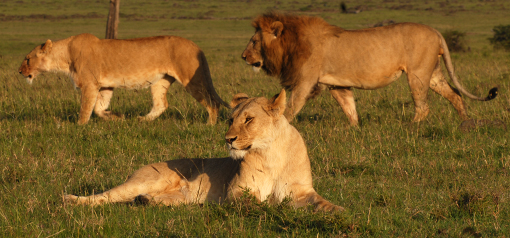
The Great Migration defines the Masai Mara safari’s global reputation. Between July and October, over 1.5 million wildebeest, 400,000 zebras, and 300,000 Thomson’s gazelles pour northward from Tanzania’s Serengeti. The Mara River crossing — enormous crocodiles in churning brown water, lion prides on the bank, tens of thousands of animals plunging through in scenes of pure primal chaos — is the most dramatic wildlife event on the planet. No film fully captures witnessing this moment in person.
Unrivalled Year-Round Wildlife Density
Migration season defines the Mara’s reputation, but what truly separates a Masai Mara safari from every alternative is the extraordinary year-round wildlife quality. The reserve permanently supports 400-500 lions — one of Africa’s highest individual densities. Resident elephant herds crossing the brown-soil plains, massive buffalo herds in the green river corridors, 30-40 leopards, and dozens of cheetahs make the Mara a genuine Big Five destination in every calendar month.
Private Conservancies Transform the Experience
Surrounding the national reserve are private conservancies — Mara North, Olare Motorogi, Naboisho, Mara Nyika, and others — operating under strict low-density tourism models. In these conservancies, off-road driving across brown-soil tracks is permitted, night drives reveal nocturnal species, and walking safaris provide ground-level perspective impossible from a vehicle. The finest Kenya Masai Mara safari deals in terms of pure wildlife quality are almost always found in these conservancies.
-
🦁 Lions: 400-500 individuals — 95%+ sighting probability on any 3-day safari
-
🦒 Great Migration: July-October · 1.5M wildebeest · 400K zebra
-
🐈 Leopards: 30-40 residents — best at dawn in conservancy fig trees
-
🐈 Cheetahs: Open brown plains ideal for watching full hunts
-
🐘 Elephants: Large breeding herds year-round on brown and green plains
-
🦅 Birds: 470+ species including raptors and Rift Valley endemics
Masai Mara vs Serengeti — Quick Comparison
| Factor | Masai Mara | Serengeti | Verdict |
|---|---|---|---|
| Reserve Size | 1,510 km² | 14,763 km² | Mara: concentrated sightings |
| Year-Round Lions | 400-500 individuals | 3,000+ ecosystem-wide | Both excellent |
| Migration in Kenya | July-October | Tanzania year-round | Serengeti for duration |
| Nairobi Access | 45-min flight / 5-hr road | Requires Arusha routing | Mara: easier logistics |
| Conservancy Access | 8+ adjacent conservancies | Fewer private options | Mara: superior exclusivity |
| Package Pricing | USD 480-3,800 pp | USD 600-5,000+ pp | Mara: more accessible |
For Tanzania safari combinations see our Tanzania safari guide.
When To Go — Best Time to Visit Masai Mara Month by Month
The best time for a Masai Mara safari Great Migration experience and the best time for other wildlife priorities differ significantly. Understanding the seasonal calendar is the most important planning decision you’ll make for any Masai Mara safari itinerary.
⚡ Quick Season Decision Guide
July–October: Peak Season — Great Migration River Crossings
📍 Dry · Clear · Maximum Wildlife · Brown Plains at Their Best
The peak of the Masai Mara safari calendar. Wildebeest herds enter Kenya in late June, reaching maximum numbers in August–September. Mara River crossings — the Masai Mara Great Migration safari packages centrepiece — peak in August and September. A 4–5 day safari during the wildebeest migration Masai Mara best months gives 70–80% crossing probability. Book 4–6 months ahead for premium camps.
- River crossings — 70–80% probability on 4–5 day safari
- Maximum predator activity following the herds
- Dry brown savannah — excellent photography against golden light
- Peak pricing 30–50% above green season rates
- Conservancy camps deliver crowd-free crossing views
January–February: Calving Season — Best Predator Activity
📍 Hot, dry · Predator peak · Green-brown transition · 15–25% below peak pricing
January and February deliver Kenya’s finest predator viewing outside migration. Wildebeest calving in Tanzania drives intense predator hunting behaviour. Lion cubs from the previous year become active. Cheetah and leopard sightings reach their highest non-migration probability on the Mara’s open brown plains. Tourist numbers are significantly lower than July–October.
June & November: Shoulder Season — Best Balance
📍 Excellent wildlife · 20–30% below peak · Low crowds · Green vegetation building
June and November represent the ideal balance. June sees early migration herds arriving with far fewer tourists. November brings brief afternoon showers with dramatically reduced visitor numbers. Both months deliver excellent resident Big Five viewing without peak-season premiums. Green vegetation emerging against brown soil creates spectacular photographic landscapes.
April–May: Green Season — Affordable Masai Mara Safari Packages
📍 Long rains · 30–40% cheaper · Lush green landscapes · Very low crowds
The most affordable Masai Mara safari packages of the year. Afternoon showers on most days (typically 1–3 hours) but morning game drives are usually dry. The Mara transforms from brown savannah to vivid green — landscapes peak-season visitors never see. Wildlife disperses as water becomes abundant. Cheap Masai Mara safari packages targeting this window deliver 30–40% savings.
| Month | Migration | Weather | Crowds | Pricing | Best For |
|---|---|---|---|---|---|
| Jan–Feb | Tanzania calving | Hot, dry | Low–Mod | Mid-range | Predators, photography |
| Mar | Herds in Tanzania | Short rains | Low | Mid | Good value |
| Apr–May | Tanzania Serengeti | Long rains | Very low | Lowest | Budget best value |
| Jun | Herds entering Kenya | Dry, cool | Moderate | Mid-high | Early migration, value |
| Jul–Oct | Full Migration in Mara | Dry, warm | Peak | Highest | River crossings |
| Nov | Herds returning south | Short rains | Low | Mid | Good value, wildlife |
| Dec | Herds in Tanzania | Mixed | Moderate | Mid-high | Families, year-end |
Full seasonal analysis: Best time to visit Masai Mara — month-by-month guide
Where To Go — Masai Mara Reserve Layout, Zones & Key Locations
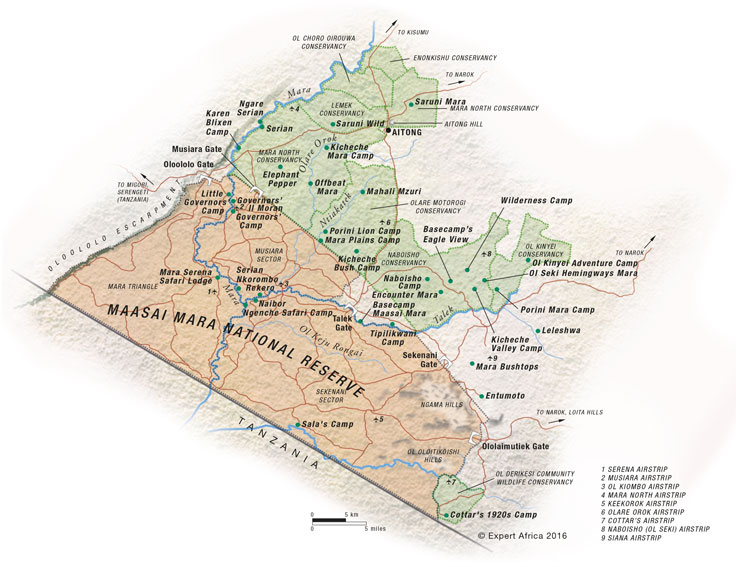
Understanding the Masai Mara’s geographic zones is essential for choosing the right lodge, planning game drive routes, and getting the Masai Mara safari game drive experience you’re actually seeking. The ecosystem covers 1.5 million acres of brown-soil savannah, green riverine forest, and rolling plains.
The National Reserve — Core Wildlife Zones
The gazetted 1,510 sq km reserve has four entry gates: Sekenani Gate (central, most popular — direct access to brown-soil central plains), Talek Gate (eastern approach — cheetah territory), Sand River Gate (southern Tanzania border — migration entry point), and Oloololo Gate (western escarpment — dramatic green forest margin). The central Musiara Marsh corridor has the highest lion density in the reserve year-round.
Private Conservancies — Where the Mara Safari Excels
Eight major conservancies border the national reserve across 900,000 acres of community land. Mara North (northwest), Olare Motorogi (east), Naboisho (east), Ol Kinyei, and Mara Nyika all operate under strict low-density models. Off-road driving on brown-soil tracks, night game drives, and guided walking safaris through green riverine corridors are available exclusively in these conservancies. Kenya luxury Masai Mara safari lodges and camps in the conservancies charge a conservancy fee (USD 80–120 per day) but deliver the definitive Masai Mara experience.
-
🦁 Musiara Marsh: Highest lion density — year-round breeding prides in green marsh and brown plains
-
🌊 Mara River Corridor: Great Migration crossings, hippo pools, Nile crocodiles in brown water
-
🐆 Paradise Plain: Open brown savannah — cheetah territory and best dawn photography
-
🐆 Talek River Area: Leopard territory in green fig trees, open brown plains
-
🌿 Oloololo Escarpment: Dramatic green forest edge — wildebeest staging areas
-
🏕️ Conservancies: Night drives, off-road on brown-soil tracks, walking safaris
Best Masai Mara Safari Packages — All Budgets, All Styles
Armani Tours and Travel offers best Masai Mara safari packages across every budget and travel style. All packages are fully all-inclusive with zero hidden fees — accommodation, full-board meals, 4×4 Land Cruiser with pop-up roof, professional KPSGA-certified guide, all park and conservancy fees, game drives, and 24/7 Kenya-based support.
Masai Mara Fly-In Safari Packages — Maximum Wildlife Time
2-Day Fly-In Safari
USD 800 – 1,100Per person · Full-board · 1 night luxury camp · 4 game drives · Return flights from Nairobi
View Package →3-Day Fly-In Safari
USD 1,150 – 1,500Per person · Full-board · 2 nights · 6 game drives · Return flights from Nairobi
View Package →4-Day Fly-In Safari
USD 1,200 – 1,800Per person · Full-board · 3 nights · 8 game drives · Return flights from Nairobi
View Package →✈️ Why Fly-In?
Road from Nairobi: 5–7 hours each way. Flying: 45 minutes. The Masai Mara fly in safari packages convert 10–14 hours of road time into extra game drives — the most valuable use of limited safari days.
Road Safari Packages — Best Value from Nairobi
| Package | Duration | Tier | Price pp | Best For |
|---|---|---|---|---|
| Budget Camping Safari | 3 days | Economy | USD 480–880 | Students, budget travellers |
| Mid-Range Lodge Safari | 3 days | Comfort | USD 550–1,290 | First-time visitors |
| Luxury Camp Safari | 3 days | Luxury | USD 850–2,400 | Special occasions |
| Mid-Range Extended | 4 days | Comfort | USD 800–1,750 | Best value for time |
| Luxury Conservancy | 4 days | Superior | USD 1,800–3,800 | Exclusivity, night drives |
| 5-Day Full Experience | 5 days | All tiers | From USD 1,100 | Maximum wildlife diversity |
Masai Mara safari price per person based on double occupancy sharing · All-inclusive with zero hidden fees
Masai Mara Safari Itineraries — 3, 4 and 5 Day Expert Breakdowns
A well-structured Masai Mara safari itinerary maximises wildlife time and manages travel logistics efficiently. Here are the three most popular formats with day-by-day detail.
3 Days Masai Mara Safari Itinerary
The 3 days Masai Mara safari itinerary delivers Big Five sightings, 6 game drives, and a Maasai cultural village visit within a 4-day travel window. Ideal for time-limited visitors, long weekend safari breaks, and first-time Kenya travellers.
Nairobi → Masai Mara — Arrival & Afternoon Drive
TRANSFER · CHECK-IN · GAME DRIVE
- Morning departure from Nairobi — fly-in (45 min) or road transfer (5–7 hrs)
- Arrival at lodge/camp, lunch and reserve briefing by your guide
- Afternoon game drive (3–4 hrs) across the brown savannah plains
- Evening sundowner at bush kopje — first encounter with the Mara at golden hour
- Dinner at camp with guide briefing on tomorrow’s wildlife priorities
Full Safari Day — Dawn to Dusk Big Five
DAWN DRIVE · MAASAI CULTURE · EVENING DRIVE
- Pre-dawn departure (5:30 AM) across brown-soil plains targeting dawn predator activity
- Big Five game drive — lion prides on kopjes, elephant herds, buffalo, giraffe
- Return to camp for breakfast and midday rest
- Maasai cultural village visit — traditional dances, homestead tour, warrior interaction
- Afternoon game drive (3:30–6:30 PM) — golden light on the brown savannah, hippo pools
Final Morning Drive — Departure
DAWN GAME DRIVE · CHECKOUT · TRANSFER
- Final pre-dawn game drive — last chance sightings in the best morning light
- Return for full breakfast and checkout
- Afternoon fly-out or road transfer back to Nairobi
4 Days Masai Mara Safari from Nairobi — The Recommended Duration
The 4 days Masai Mara safari from Nairobi price starting from USD 800 per person delivers 8 game drives, near-guaranteed Big Five completion, optional hot air balloon safari, and deeper cultural immersion. The additional day significantly improves Great Migration crossing probability during July–October.
The 4-day format adds to the 3-day structure: Day 3 morning includes an optional hot air balloon flight (USD 450–520 pp) over the brown-soil plains at dawn, followed by a bush champagne breakfast. Day 3 afternoon adds a Maasai cultural visit with deeper community engagement. The fourth morning provides a final focused game drive before departure — typically the most productive of the stay.
5 Days Masai Mara Safari Package — The Complete Experience
The 5 days Masai Mara safari package cost from USD 1,100 per person delivers the reserve’s full spectrum. With 10+ game drives, the fifth day consistently produces the species missed in shorter visits — rhino encounter, leopard with cubs, cheetah hunt from start to finish. For Masai Mara safari for couples honeymoon, this format with conservancy access and night drives is the definitive choice.
The 5-day safari adds: a dedicated conservancy morning drive with off-road access across the brown-soil tracks (Day 3), a full night game drive revealing nocturnal species (Day 4 evening), and an optional guided walking safari through the green riverine corridors on Day 5 morning. These three experiences are transformative — converting a good safari into an extraordinary one.
Masai Mara Safari Cost & Prices — 2026 Honest Breakdown
Understanding real Masai Mara safari cost prevents budget surprises. Here is the actual Armani Tours 2025 pricing — not promotional “from” rates that exclude essential items.
| Tier | Daily Cost pp | Accommodation | Wildlife Quality |
|---|---|---|---|
| Budget Camping | USD 120–180 | Basic tents, shared facilities | Identical to luxury |
| Mid-Range Lodge | USD 180–350 | En-suite, pool, good food | Identical to luxury |
| Luxury Camp | USD 350–600 | Premium finishes, expert guides | Identical to luxury |
| Superior Conservancy | USD 600–1,500+ | Off-road, night drives, butler | Elevated (off-road access) |
Additional Costs to Budget
- Kenya eVisa: USD 50 per person — apply at evisa.go.ke minimum 1 week ahead
- International flights to Nairobi: USD 600–1,500 return depending on origin and season
- Domestic flights Wilson Airport → Mara: USD 200–350 per person each way
- Travel insurance with emergency evacuation: USD 40–80 per person
- Guide gratuity: USD 10–15 per person per day (expected, not optional)
- Hot air balloon safari: USD 450–520 per person (not included in standard packages)
- Maasai village visit: USD 20–40 per person (often included in conservancy fees)
How to Save Money on a Masai Mara Safari
- Travel April–May (green season) — 30–40% price reduction, excellent resident wildlife on brown-to-green plains
- Road transfer for 5+ day safaris — save USD 400–700 per person vs fly-in
- Book 4–6 months ahead for peak season — last-minute availability at good properties is almost non-existent
- Travel in a group of 4 — private vehicle per-person cost matches group tours with far superior experience
- Shoulder season (June or November) — 20–25% savings with excellent wildlife and minimal crowds
Masai Mara Safari from Nairobi — Road vs Fly-In Complete Comparison
The Masai Mara safari from Nairobi is Kenya’s most popular single-destination safari. Two access options — road and fly-in — deliver different experiences at different costs. Here is the frank comparison for the Masai Mara safari from Nairobi by road or air decision.
Kenya Masai Mara Road Safari from Nairobi — Duration & Details
The Kenya Masai Mara road safari from Nairobi duration is 5–7 hours each way covering approximately 270km southwest of Nairobi via the Great Rift Valley escarpment. The route passes Naivasha, Narok, and across the open Mara plains — visually rewarding with Rift Valley viewpoints. Road safaris save USD 400–700 per person versus fly-in and are the correct choice for 5+ day safaris where the proportional time impact is acceptable.
Masai Mara Fly-In Safari — 45 Minutes, Maximum Game Drive Time
Domestic flights from Wilson Airport reach Masai Mara in 45–60 minutes. For Masai Mara safari from Nairobi trips of 3 days, flying is non-negotiable — 10–14 road transfer hours represent a full day of potential game drives. Multiple scheduled operators run daily services; charter available for groups. All Masai Mara fly in safari packages from Armani Tours include return flights in the quoted price.
✈️ Fly-In Best For
- 3–4 day short safaris
- Time-limited travellers wanting maximum game drives
- Combining 3+ Kenya parks in one trip
- Photographers maximising golden hour drives
- Arriving fresh with full energy for first game drive
🚗 Road Safari Best For
- 5+ day safaris where time ratio is acceptable
- Budget-conscious travellers — saves USD 400–700 pp
- Experiencing Great Rift Valley landscape views
- Travellers with no luggage restriction concern
- Groups where road vehicle doubles as game drive 4×4
Masai Mara Safari Experience — Game Drives, Big Five & Cultural Encounters
Masai Mara safari what to expect on your game drives, and what makes this reserve’s experience genuinely different from any alternative.
Masai Mara Safari Game Drive Experience
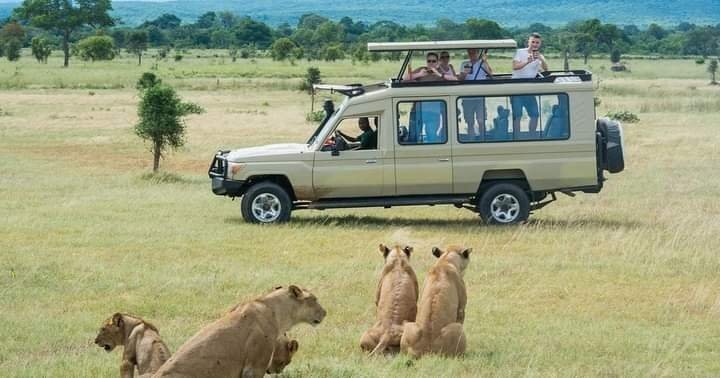
The Masai Mara safari game drive experience begins before dawn (5:30–6:00 AM) to catch the most active wildlife window. Your 4×4 Land Cruiser moves across brown-soil plains and into green riverine corridors guided by a professional naturalist reading tracks, dung, vulture activity, and animal behaviour. The pop-up roof allows all guests to stand for 360° views — essential for the full savannah panorama.
The Masai Mara Big Five safari experience on a 3-day itinerary typically delivers: lion (2–3 separate sightings), elephant (daily), buffalo (daily herds), leopard (50–60% probability in conservancies), black rhino (40–50%), cheetah (60–75% on open plains), hippo (near-guaranteed at Hippo Pools), crocodile (Mara River), and Masai giraffe moving elegantly against the acacia-dotted skyline.
Hot Air Balloon Safari Over the Brown Savannah
A dawn balloon flight is one of Africa’s most iconic experiences. Launch before sunrise and drift silently over the Mara’s brown-soil plains as lion prides, elephant herds, and wildebeest columns move below you in the golden light. Flights last 60–75 minutes and conclude with a full bush champagne breakfast in the field. Cost: USD 450–520 per person. Book in advance — sells out weeks ahead during peak season.
Maasai Cultural Village Experience
Every quality Masai Mara safari itinerary includes a Maasai community village visit. Participate in warrior dances, enter a traditional manyatta (mud house), observe cattle-herding culture that has sustained this community alongside the Mara’s wildlife for centuries, and understand the extraordinary Maasai conservancy model that makes communities active wildlife protectors. This context enriches every game drive that follows.
Masai Mara Safari Types — Budget, Mid-Range, Luxury & Private vs Group
Masai Mara Budget Camping Safari Experience
The Masai Mara budget camping safari experience (USD 120–180 per person per day) delivers identical wildlife quality to luxury — same 4×4, same guide expertise, same brown-soil game drive routes. Budget camps have basic tented accommodation with shared facilities. Best for backpackers, students, and budget-conscious travellers who prioritise game drive hours over lodge comfort. Wildlife is not a compromise at any budget level.
Masai Mara Mid-Range Safari Lodges Kenya
Masai Mara mid range safari lodges Kenya — Mara Sopa Lodge, Sentrim Mara Camp, Mara Serena Safari Lodge, Keekorok Lodge — deliver comfortable en-suite accommodation, swimming pools, reliable food, and strong guiding from USD 180–350 per person per day. The optimal choice for most first-time visitors balancing genuine comfort with manageable cost.
Luxury Masai Mara Safari Kenya
Luxury Masai Mara safari Kenya — Karen Blixen Camp, Governors Camp, Olare Mara Kempinski, Kicheche Mara Camp — delivers ultra-low guest densities, off-road driving across brown-soil conservancy tracks, night drives, walking safaris through green corridors, and exceptional cuisine from USD 600–1,500+ per person per day. The finest Kenya luxury Masai Mara safari lodges and camps experience available.
Masai Mara Group Safari vs Private Safari
👥 Group Safari
- Shared vehicle (4–7 guests) — lower per-person cost
- Ideal for solo travellers and budget couples
- Fixed departure schedules and itineraries
- Social atmosphere, meeting fellow wildlife enthusiasts
🚙 Private Safari (Recommended)
- Exclusive vehicle — complete schedule flexibility
- Ideal for honeymoons, families, photographers
- Any departure time, any pace, any priority
- Groups of 4+ often comparable per-person cost
Masai Mara Safari for Couples, Families & Groups
Masai Mara Safari for Couples — Honeymoon Safaris
The Masai Mara safari for couples honeymoon experience is extraordinary. Dawn game drives watching a lion pride from 20 metres across the brown savannah, sundowner cocktails on a private kopje, a bush dinner under the Milky Way, and the shared wonder of watching a cheetah hunt across open plains. Our honeymoon Masai Mara safari itinerary includes: private vehicle, sundowner experience, bush dinner, champagne arrival, and conservancy access for night drives. Combine with Zanzibar honeymoon packages for the ultimate East Africa romance.
Family Masai Mara Safari Packages Kenya
Family Masai Mara safari packages Kenya require specific planning. Children under 7 may not be permitted in some conservancy camps (age policies vary by property). Family-friendly properties include Mara Sopa Lodge, Mara Serena Safari Lodge, and Keekorok Lodge — all with child-adapted programming and private family vehicle arrangements. Armani Tours plans all family safaris with age-appropriate logistics built in from the initial proposal.
Group Safari Tours
Groups of 8+ benefit from dedicated vehicle coordination, group-specific guide allocation, and tailored logistics. Corporate team-building safaris, university expedition groups, and photography club tours are among the formats Armani Tours designs regularly. Group discounts apply from 6 guests — contact us for group-specific pricing across all tiers from cheap Masai Mara safari packages to luxury conservancy groups.
Where to Stay in Masai Mara — Lodges, Camps & Budget Options
Every property below has been personally inspected by the Armani Tours team. Our Masai Mara Lodges and Camps recommendations are based on specific guest priorities — not simply budget bracket.
Genuine Masai Mara Masai Mara budget camping safari experience at the most accessible prices. Identical wildlife viewing quality to luxury tiers.
- Mara Chui Camp
- Elangata Olerai Camp
- Olorien Mara Camp
- Jambo Mara Safari Lodge
- Mara Duma Camp
En-suite, swimming pools, good food. Best overall value for Masai Mara mid range safari lodges Kenya first-time visitors.
- Mara Sopa Lodge
- Mara Serena Safari Lodge
- Sentrim Mara Camp
- Basecamp Masai Mara
- Sekenani Camp
- Prideinn Mara Camp
- Keekorok Lodge
- AA Mara Lodge
- Mara River Lodge
- Enkorok Mara Camp
Premium finishes, gourmet cuisine, excellent locations and guiding. Sweet spot for luxury Masai Mara safari Kenya special occasions.
- Ashnil Mara Camp
- Fig Tree Camp
- Mara Crossings Camp
- Mara Intrepids Camp
- Neptune Mara Rianta
- Mara Bushtop Camp
- Loyk Mara Camp
- Entim Mara Camp
Ultra-exclusive. Off-road on brown-soil tracks, night drives, walking safaris. The Kenya luxury Masai Mara safari lodges and camps pinnacle.
- Governors Camp Mara
- Karen Blixen Camp
- Olare Mara Kempinski
- Kicheche Mara Camp
- Saruni Mara Camp
- Porini Mara Camp
- Entumoto Safari Camp
- Fairmont Mara Safari Club
- &Beyond Kichwa Tembo
- Mara Explorer Camp
How to Plan a Masai Mara Safari — Step-by-Step Expert Guide
Understanding how to plan a Masai Mara safari Kenya correctly prevents the most common and costly mistakes. Here is the exact approach our specialists use with every new client.
- Define Your Core Priority: Great Migration crossings? Maximum Big Five diversity? Photography? Budget value? Honeymoon experience? Your objective determines season, zone, and package structure.
- Choose Your Season: July–October for Migration; January–February for predators; June or November for value; April–May for budget. Your timing decision is the highest-impact single choice.
- Decide Duration: 3 days minimum. 4–5 days recommended. 5–7 days for photographers. Great Migration crossings: 4–5 days minimum in August–September.
- Set Your Budget: USD 480+ (budget), USD 800+ (mid-range), USD 1,800+ (luxury), USD 3,800+ (superior conservancy). Add flights, visa, insurance, and gratuities.
- Choose Access Method: Fly-in for 3-day safaris. Road for 5+ days and budget travellers.
- Select Accommodation Zone: Musiara/Governors area for crossings. Talek area for cheetah. Conservancy for exclusivity and night drives.
- Book in Advance: Peak season (July–October) — 4–6 months ahead. Shoulder season — 2–3 months. Green season — 2–4 weeks usually sufficient.
- Contact Armani Tours: Share your priorities and receive a personalised proposal within 24 hours — armanitoursandtravel.com/contact-us
Masai Mara Safari Packing List — Complete Essentials
A good Masai Mara safari packing list makes the difference between a comfortable, productive safari and a frustrating one. Mara morning temperatures drop to 12–16°C while afternoon peaks reach 28–32°C — layering is essential across the brown-soil savannah and cooler green riverine zones.
👗 Clothing
- Neutral colours only — khaki, olive, tan, brown (matching the Mara’s brown soil tones)
- Lightweight long-sleeve shirts for morning cold and UV protection
- Fleece or light jacket for 12–16°C dawn drives
- Comfortable convertible trousers — zip-off for temperature changes
- Wide-brimmed hat — UV protection critical at 1,520m elevation
- Lightweight rain jacket for green season safaris
📷 Camera & Optics
- Binoculars — 8×42 or 10×42 minimum (non-negotiable)
- Camera with 300–600mm telephoto lens
- Dust-proof camera bag — brown-soil dust destroys sensors
- 4+ charged batteries — cold mornings drain quickly
- Multiple memory cards — 2,000 frames possible at river crossings
- Bean bag lens support for vehicle window shots
🧴 Health & Protection
- SPF 50+ sunscreen — intense UV at 1,520m altitude
- DEET-based insect repellent (50%+) — Masai Mara is malaria zone
- Malaria prophylaxis — consult GP 6–8 weeks before travel
- Personal first aid kit including blister plasters and ibuprofen
- Hand sanitiser and wet wipes for bush toilet stops
- Rehydration sachets for hot afternoon drives on the plains
🎒 Luggage & Essentials
- Soft-sided duffel bag under 15kg for bush flights
- Small daypack for game drives
- USD cash for gratuities, Maasai village, souvenirs
- Kenya eVisa printout and passport copy
- Travel insurance documents (include emergency evacuation)
- Portable charger — limited socket access at many camps
Why Choose Armani Tours for Your Masai Mara Safari Packages
-
🏆 10+ Years Masai Mara Operations: Our guides average 8–14 years of Mara-specific field experience — we know individual lion prides, seasonal brown-to-green landscape movements, and the micro-habitats that produce the finest sightings.
-
💯 Transparent All-Inclusive Pricing: Your Masai Mara safari cost quote covers everything — accommodation, full-board meals, 4×4, guide, all fees. Zero hidden additions at checkout.
-
🛡️ KPSGA-Certified Professional Guides: All driver-guides hold Kenya Professional Safari Guides Association certification with minimum 5 years field experience.
-
🔄 Fully Customisable Itineraries: No published package fits any client perfectly. We design Masai Mara safari itinerary structures based on your specific priorities, physical needs, and budget.
-
📞 24/7 Kenya-Based Support: Our Nairobi operations team monitors every active safari in real time. Issues resolve in minutes — we are physically present in Kenya.
-
⭐ 4.9 Stars / 850+ Reviews: Consistent quality across budget camping to ultra-luxury conservancy experiences — at every price point, every season.
Expert Opinion — What 10+ Years Guiding Masai Mara Safaris Reveals
“After guiding Masai Mara safaris for over a decade, I am still surprised regularly. A leopard with twin cubs in a fig tree three kilometres from a camp where I’ve stayed for two years. A coalition of five male cheetahs hunting a single wildebeest in coordinated formation across the brown savannah. A river crossing where the first wildebeest pauses on the bank for 40 minutes while 8,000 animals press behind it — the tension is palpable from 200 metres. The Masai Mara does not repeat itself. Every safari delivers something different, and that unpredictability — wildlife behaving as wildlife — is precisely what makes this reserve unlike anywhere else on earth.”
— Senior Field Guide, Armani Tours and Travel · 12 Years Masai Mara Safari OperationsWhat First-Time Safari Guests Consistently Tell Us
-
⭐ “We underestimated the dawn drive” — The 5:30 AM departure is when the Mara performs best across the brown-soil plains. Book early departures without exception.
-
⭐ “We wished we’d stayed longer” — Three-night guests almost universally wish they had booked four or five. The fifth morning produces the sighting that wasn’t possible before.
-
⭐ “The conservancy was the best upgrade we made” — Off-road drives on brown-soil conservancy tracks and night drives are the most impactful single quality investment in a Masai Mara safari.
Your Masai Mara Safari Adventure Awaits
A Masai Mara safari is a transformation. Witnessing 10,000 wildebeest plunge through the Mara River in brown churning water, watching a cheetah mother teach her cubs to hunt across the open brown savannah, sitting in silence as a lion pride grooms each other 25 metres from your vehicle under green acacia shade — these experiences permanently shift your understanding of the natural world.
The best Masai Mara safari packages are available across every budget: from affordable Masai Mara safari packages at USD 480 per person to luxury Masai Mara safari Kenya conservancy experiences at USD 3,800+. What every option shares is the same brown-soil savannah, green riverine corridors, extraordinary wildlife, and professional Armani Tours guides who deliver the experience as promised.
Whether your priority is Masai Mara Great Migration safari packages targeting the August river crossings, the finest predator action in Kenya’s January predator peak, a Masai Mara safari for couples honeymoon in an exclusive conservancy, or family Masai Mara safari packages Kenya creating lifelong memories — Armani Tours and Travel delivers it with expertise, transparency, and genuine care.
🦁 Book Your Masai Mara Safari Today
From budget camping on the brown savannah to luxury conservancy camps with night drives — Armani Tours designs the perfect Masai Mara safari for your priorities, schedule, and budget. KPSGA-certified guides, transparent pricing, 10+ years Kenya experience.
📧 info@armanitoursandtravel.com · ✅ Free Consultation · ✅ Zero Hidden Fees · ✅ 24/7 Kenya Support
Masai Mara Safari — Frequently Asked Questions
The best time for a Masai Mara safari Great Migration experience is July through October. The wildebeest migration Masai Mara best months for river crossings are August and September when 1.5 million wildebeest and 400,000 zebras cross the Mara River. A 4–5 day safari in this period gives 70–80% probability of witnessing at least one crossing. Book 4–6 months ahead for premium lodges during this period. Year-round, the Mara’s resident Big Five population delivers exceptional wildlife viewing regardless of migration status.
Masai Mara safari cost ranges from USD 480 per person for a 3-day budget camping safari to USD 3,800+ for a 4-day luxury conservancy experience. Masai Mara safari price per person mid-range: USD 550–1,290 for 3 days. Luxury: USD 850–2,400 for 3 days. Masai Mara fly in safari packages from USD 800 for 2 days. All Armani Tours packages are fully all-inclusive — accommodation, full-board meals, 4×4, guide, park fees, game drives, 24/7 support. Zero hidden fees.
A 3 days Masai Mara safari itinerary from Armani Tours includes: Day 1 — Nairobi transfer (fly or road), arrival game drive across the brown savannah, evening sundowner. Day 2 — Pre-dawn full day game drive targeting Big Five across open plains and green riverine corridors, Maasai cultural village visit, afternoon drive. Day 3 — Final dawn game drive, breakfast, return transfer to Nairobi. All packages include 4×4 Land Cruiser, KPSGA-certified guide, full-board meals, all park fees, and 24/7 support.
The 4 days Masai Mara safari from Nairobi price starts from USD 800 per person for mid-range accommodation (road transfer) and USD 1,200+ per person for fly-in packages with luxury camp accommodation. Economy camping 4-day packages from USD 650 per person. Luxury conservancy 4-day packages from USD 1,800 per person. All Armani Tours 4-day packages include 8 game drives, full-board meals, all fees, and professional guide. The 4-day format is our most recommended duration — the additional day dramatically improves Big Five completion probability and provides significantly better Masai Mara safari what to expect diversity.
Masai Mara group safari vs private safari: Group safaris share a 4×4 vehicle (4–7 guests) at lower per-person cost with fixed schedules. Private safaris provide an exclusive vehicle with completely customised scheduling, pace, and priority — any departure time, extended patience at sightings, full itinerary flexibility. For groups of 4+, private becomes comparable in per-person cost to group safaris while delivering far superior personalised experiences. Armani Tours strongly recommends private for couples, families, photographers, and Masai Mara safari for couples honeymoon travellers. Both formats are available across all accommodation tiers.
Yes — cheap Masai Mara safari packages and affordable Masai Mara safari packages start from USD 480 per person for 3 days in budget camping accommodation. The Masai Mara budget camping safari experience delivers identical wildlife quality to luxury safaris — same 4×4, same guide expertise, same brown-soil game drive routes. What differs is accommodation comfort. Green season (April–May) delivers 30–40% price reductions across all tiers. Kenya Masai Mara safari deals are best in shoulder months (June, November) and green season — contact Armani Tours for current availability.
For the Masai Mara safari from Nairobi by road or air decision: for 3-day safaris, fly — the 45-minute Wilson Airport flight converts 10–14 hours of road time into game drives. The Kenya Masai Mara road safari from Nairobi duration is 5–7 hours each way — acceptable for 5+ day safaris where the proportional time impact is manageable and saves USD 400–700 per person. Many travellers fly one direction and road-transfer the other as a compromise. Armani Tours handles all logistics, departure coordination, and Wilson Airport connections as part of every Masai Mara fly in safari packages and road safari booking.
Armani Tours offers comprehensive Masai Mara safari tours across all budgets: Budget 3-day from USD 480 pp; Mid-range 3-day from USD 550 pp; Luxury 3-day from USD 850 pp; Mid-range 4-day from USD 800 pp; Luxury conservancy 4-day from USD 1,800 pp; 5-day full experience from USD 1,100 pp; 2-day fly-in from USD 800 pp; 3-day fly-in from USD 1,150 pp. All best Masai Mara safari packages include KPSGA-certified guide, 4×4 Land Cruiser, full-board meals, all park and conservancy fees, and 24/7 Kenya-based support. Custom itineraries for Masai Mara safari for couples honeymoon, family Masai Mara safari packages Kenya, and Masai Mara Great Migration safari packages available on request.
The essential Masai Mara safari packing list includes: neutral-coloured clothing (khaki, olive, tan — matching the brown-soil savannah tones), fleece/jacket for 12–16°C dawn drives, SPF50+ sunscreen, DEET insect repellent, quality binoculars (8×42 or 10×42 minimum), camera with 300mm+ telephoto lens, dust-proof camera bag, 4+ spare batteries, multiple memory cards, malaria prophylaxis tablets (consult GP 6–8 weeks ahead), soft-sided duffel under 15kg (bush flights), USD cash for gratuities, travel insurance documents, and Kenya eVisa printout. Full checklist available at our safari packing guide.
Yes — the Masai Mara is extremely safe with over a century of established safari tourism. All wildlife viewing occurs from secure 4×4 vehicles. Never exit without guide permission — buffalo and elephant encounters outside vehicles are dangerous even in apparently calm areas. Kenya’s tourism-dependent economy creates strong visitor safety infrastructure. Comprehensive travel insurance including medical evacuation cover is non-negotiable — remote park locations mean airborne evacuation in emergencies costing USD 30,000–80,000 without coverage. Armani Tours provides full pre-departure safety briefings and 24/7 Kenya-based emergency support with every booking.