

Kenya Safari: The Complete Expert Guide to East Africa’s Wildlife Paradise
Kenya Safari: Africa’s Most Iconic Wildlife Experience
A Kenya safari represents the pinnacle of African wildlife experiences — the destination that defined what the world understands as “safari.” From the Masai Mara’s legendary Great Migration to Amboseli’s elephant herds framed by Mount Kilimanjaro, Kenya wildlife safari adventures deliver iconic encounters that exceed even the most ambitious expectations. This is where Ernest Hemingway found his Green Hills of Africa, where Karen Blixen lived Out of Africa, and where Armani Tours and Travel has guided thousands of travelers through experiences that transform how they see the natural world.
Kenya pioneered African safari tourism, establishing the first national parks and creating the infrastructure that now supports world-class Kenya safari tours across diverse ecosystems. The country protects over 8% of its land area in national parks and reserves, creating interconnected wildlife corridors where the Big Five roam freely alongside 400+ mammal species and 1,089 bird species.
This comprehensive guide represents over a decade of Kenya safari operations across every major park and seasonal variation. Every recommendation, timing suggestion, and cost estimate reflects real-world data from thousands of client safaris conducted by Armani Tours and Travel rather than theoretical projections or marketing claims.
Why Choose Kenya Safari Over Other African Destinations
When comparing African safari destinations, Kenya safari experiences consistently rank among the absolute best for wildlife diversity, accessibility, and value. The advantages are measurable, verifiable, and immediately apparent to anyone who has experienced safaris across multiple African countries.
The Great Migration — Nature’s Greatest Spectacle
The Masai Mara hosts the Kenyan leg of the Great Migration from July through October, when over 1.5 million wildebeest and 400,000 zebras cross the Mara River in dramatic scenes that define wildlife television. Unlike Tanzania’s vast Serengeti where migration herds spread across 14,763 square kilometers, the Mara’s compact 1,510 square kilometers concentrate wildlife density, creating near-guaranteed sightings during peak season.
Unmatched Accessibility and Infrastructure
Kenya’s safari infrastructure is Africa’s most developed. Jomo Kenyatta International Airport in Nairobi receives direct flights from London, Dubai, Amsterdam, Paris, and major global hubs. Domestic flight networks connect the capital to every major park within 45-90 minutes. Road quality between parks far exceeds regional alternatives, and mobile network coverage extends to most reserves.
Year-Round Wildlife Viewing Excellence
Unlike some African destinations where wildlife viewing quality drops dramatically during wet seasons, Kenya maintains exceptional year-round opportunities. The Masai Mara hosts resident populations of all Big Five species regardless of migration timing. Amboseli’s 1,600+ elephants remain present continuously. This reliability makes Kenya wildlife safari planning more flexible than destinations with pronounced seasonal wildlife movements.
Kenya invented safari tourism and refined it over a century. The Masai Mara’s wildlife density during migration surpasses anywhere else in Africa. Amboseli’s elephant encounters with Kilimanjaro backdrops create photography impossible to replicate. After guiding safaris across seven African countries, Kenya remains the destination I recommend first to anyone planning their inaugural African wildlife experience.
— Senior Safari Guide, Armani Tours and Travel, 14 years Kenya experienceExceptional Value for Money
Kenya offers superior value compared to equivalent Southern African safari destinations. Kenya safari packages deliver Big Five encounters, luxury lodge accommodation, and migration access at 20-30% less than comparable Botswana or South Africa private reserve experiences.
- 🦁 Big Five: All five species present in multiple parks with excellent sighting probabilities
- 🦓 Great Migration: July-October Mara River crossings — nature’s greatest spectacle
- 🐘 Elephants: Amboseli hosts 1,600+ individuals — guaranteed close encounters
- 🦩 Flamingos: Lake Nakuru and Bogoria host millions creating pink shorelines
- 🦒 Giraffes: Rothschild’s giraffe at endangered species centres offer feeding experiences
- ✈️ Access: Direct international flights plus comprehensive domestic network
Masai Mara National Reserve — Kenya’s Crown Jewel Safari Destination
The Masai Mara is not just Kenya’s most famous park — it’s arguably Africa’s greatest wildlife reserve. Home to the Kenyan leg of the Great Migration, 400-500 lions, and year-round Big Five populations, a Kenya safari to the Mara is the experience against which all others are measured.

The Masai Mara National Reserve spans 1,510 square kilometers of rolling savannah, acacia woodland, and riverine forest in southwestern Kenya. The reserve forms the northern section of the greater Serengeti-Mara ecosystem, creating a continuous wildlife corridor where animals move freely following seasonal rainfall and grass growth. This ecological connection produces the annual Great Migration — 1.5 million wildebeest, 400,000 zebras, and 300,000 Thomson’s gazelles moving in an endless circuit between Tanzania and Kenya.
The Great Migration in Masai Mara
From July through October, the Masai Mara hosts the most dramatic phase of the Great Migration — the Mara River crossings. Massive herds gather on the riverbanks, building courage to plunge into crocodile-infested waters in desperate attempts to reach fresh grazing on the opposite shore. A 4-5 day Kenya safari in the Mara during peak season (August-September) provides approximately 70-80% probability of witnessing at least one crossing.
Year-Round Wildlife Excellence
Even outside migration season, the Masai Mara delivers exceptional wildlife viewing. The reserve supports resident populations of 400-500 lions, 50-60 black rhinos, 1,500+ elephants, massive buffalo herds, and approximately 30-40 leopards. Cheetah sightings occur on 60-70% of game drives across the open plains.
Private Conservancies — The Mara’s Hidden Advantage
Surrounding the Masai Mara National Reserve are multiple private conservancies — Mara North, Olare Motorogi, Naboisho, Mara Nyika — operating under sustainable low-density tourism models. Conservancy guests enjoy off-road driving, night drives, walking safaris, and bush dining unavailable inside the main reserve.
- 🦁 400-500 Lions: Highest density in Kenya — near-guaranteed sightings
- 🐆 Leopards: 40% sighting probability per safari — higher in conservancies
- 🦏 Black Rhinos: 50-60 individuals — best viewed early morning
- 🦓 Migration (Jul-Oct): 1.5M wildebeest, dramatic river crossings
- 🐘 Elephants: Large breeding herds throughout the year
- 🐆 Cheetahs: Open plains ideal for observing hunting behaviour
Amboseli National Park — Kenya Safari with Mount Kilimanjaro Views
Amboseli National Park delivers Kenya’s most iconic safari photography — massive elephant herds crossing vast plains with Africa’s highest mountain, Mount Kilimanjaro (5,895m), rising majestically in the background. A Kenya wildlife safari to Amboseli guarantees close elephant encounters unavailable anywhere else in East Africa.

Amboseli National Park covers 392 square kilometers at the foot of Mount Kilimanjaro in southern Kenya. Despite its compact size, Amboseli supports one of Africa’s highest elephant densities — approximately 1,600 individuals representing 58 distinct family groups.
Elephant Research and Conservation
Amboseli hosts the world’s longest-running elephant research project, established in 1972 by Dr. Cynthia Moss. Guides on Kenya safari tours in Amboseli often identify individual elephants by name, sharing their life histories and family relationships — adding extraordinary depth to wildlife encounters.
Mount Kilimanjaro — The Ultimate Safari Backdrop
Clear views of Mount Kilimanjaro occur primarily during early morning and late afternoon. The mountain creates the single most photographed safari scene in Africa — massive elephant herds silhouetted against Kilimanjaro’s snow-capped summit at sunrise. Peak visibility months are January-February and June-October during dry seasons.
Tsavo East and Tsavo West — Kenya’s Largest Wilderness Safari
Tsavo East and Tsavo West together form one of the world’s largest protected areas — 21,812 square kilometers of pristine wilderness. Famous for red elephants, dramatic landscapes, and authentic bush experiences, Tsavo offers Kenya safari adventures for travelers seeking solitude and untamed Africa.
Tsavo East — The Red Elephant Kingdom
Tsavo East National Park (13,747 sq km) is characterised by flat, arid plains, seasonal rivers, and the magnificent Yatta Plateau — the world’s longest lava flow. The park’s red soil stains elephants during dust-bathing, creating the famous “red elephants of Tsavo.” Tsavo East hosts approximately 12,000 elephants — one of Kenya’s largest populations.
Tsavo West — Dramatic Volcanic Landscapes
Tsavo West (9,065 sq km) offers more varied topography — volcanic hills, lava flows, natural springs, and the spectacular Mzima Springs where up to 250 million litres of crystal-clear water flow daily from underground sources. Underwater viewing chambers allow visitors to watch hippos and crocodiles swimming overhead. The Ngulia Rhino Sanctuary protects approximately 80 black rhinos, providing near-certain sightings of this critically endangered species.
Why Tsavo Deserves More Recognition
Tsavo receives far fewer visitors than Masai Mara or Amboseli despite offering exceptional wildlife diversity and dramatic landscapes. This lower tourist density creates genuine wilderness experiences increasingly rare in Africa. Kenya safari packages incorporating Tsavo deliver exclusive game viewing, lower costs, and authentic bush character that overcrowded reserves cannot match.
Other Essential Kenya Safari Parks and Reserves
Lake Nakuru National Park — Flamingo Spectacle and Rhino Sanctuary
Lake Nakuru National Park (188 sq km) in the Rift Valley is famous for flamingo populations that can number over 1 million individuals, creating pink shorelines visible from space. The park functions as Kenya’s most successful black and white rhino sanctuary, protecting approximately 100 rhinos within fenced boundaries. Nakuru works perfectly as a stopover between Nairobi and Masai Mara on Kenya safari tours.
Samburu National Reserve — Northern Kenya’s Special Five
Samburu National Reserve (165 sq km) hosts species found nowhere else in Kenya — the “Samburu Special Five”: Grevy’s zebra, reticulated giraffe, Somali ostrich, gerenuk, and beisa oryx. The Ewaso Ng’iro River creates a permanent water source attracting exceptional wildlife concentrations in this arid landscape.
Hell’s Gate National Park — Walking and Cycling Safari
Hell’s Gate National Park (68 sq km) near Lake Naivasha is one of Kenya’s few parks allowing walking and cycling without guides. Dramatic gorges, geothermal springs, and rock-climbing opportunities create adventure tourism distinct from standard game drives.
Nairobi National Park — Urban Wildlife Sanctuary
Nairobi National Park (117 sq km) sits just 7 kilometres from Nairobi’s city centre, creating surreal scenes of lions, rhinos, and giraffes against skyscraper backdrops. Half-day visits work perfectly for arrival or departure day activities.
Ol Pejeta Conservancy — Chimpanzee Sanctuary and Last Northern White Rhinos
Ol Pejeta Conservancy (360 sq km) hosts East Africa’s only chimpanzee sanctuary, the world’s last two northern white rhinos (under 24-hour armed guard), and Kenya’s highest black rhino density. Night drives, lion tracking, and behind-the-scenes conservation experiences create Kenya wildlife safari opportunities unavailable in national parks.
Kenya Wildlife Safari — Species Diversity and Sighting Probabilities
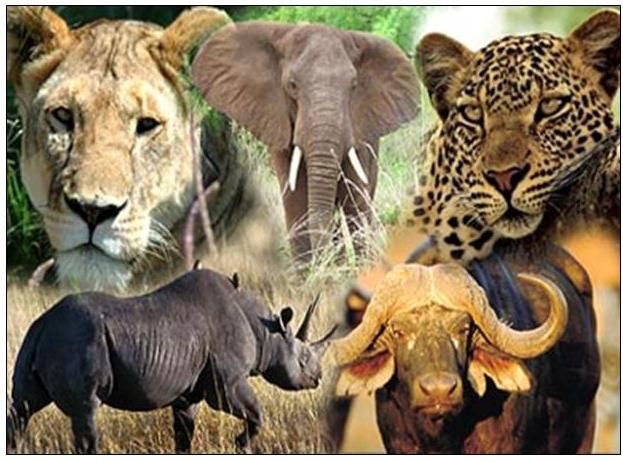
A Kenya wildlife safari delivers encounters with Africa’s most iconic species across diverse ecosystems. Understanding species distribution, seasonal patterns, and realistic sighting probabilities helps set appropriate expectations and optimise park selection for your specific wildlife priorities.
The Big Five in Kenya — Where to Find Each Species
| Species | Best Parks | Sighting Probability | Optimal Time |
|---|---|---|---|
| Lion | Masai Mara, Samburu, Tsavo | 90-95% (3-day safari) | Year-round, peak Jul-Oct |
| Leopard | Masai Mara, Samburu, Laikipia | 40-60% (4-day safari) | Early morning, late evening |
| Elephant | Amboseli, Tsavo, Samburu | 99% (2-day safari) | Year-round, guaranteed Amboseli |
| Buffalo | Masai Mara, Amboseli, Nakuru | 85-90% (3-day safari) | Year-round, wet season herds larger |
| Black Rhino | Nakuru, Tsavo West, Ol Pejeta | 70-80% (2-day focused safari) | Early morning essential |
Probabilities based on 10+ years Armani Tours operational data across all seasons
- 🦒 Giraffes: 3 subspecies — Masai, reticulated (Samburu), Rothschild’s (Nakuru)
- 🐆 Cheetahs: Masai Mara open plains ideal for observing hunts
- 🦓 Zebras: Common (everywhere) + Grevy’s (Samburu only)
- 🦛 Hippos: Mara River, Amboseli swamps — guaranteed sightings
- 🐊 Crocodiles: Mara River (massive Nile crocs), Tsavo rivers
- 🦩 Flamingos: Lake Nakuru & Bogoria (1M+ individuals)
After guiding safaris for 12 years, I still get excited by leopard sightings. They’re never guaranteed — which is exactly what makes them special. Masai Mara conservancies offer the best leopard probabilities in Kenya, around 50-60% over 4 days. But even without leopards, the Mara delivers extraordinary wildlife encounters daily.
— Wildlife Guide, Armani Tours and Travel, Masai Mara specialistBest Time for Kenya Safari — Month-by-Month Guide
Kenya offers excellent Kenya safari opportunities year-round, but timing significantly impacts wildlife concentrations, weather conditions, and costs. Understanding seasonal patterns helps optimise your experience for specific priorities.
⚡ Quick Timing Decision Guide
Dry Season (June–October) — Peak Safari Season
Long Dry Season Conditions
Weather & Wildlife
Kenya’s long dry season delivers consistently sunny weather, minimal rainfall, and excellent wildlife concentrations as animals gather around permanent water sources. Vegetation thins, improving visibility. The Masai Mara hosts the Great Migration July–October.
Advantages
- Great Migration in Masai Mara (July-October peak)
- Dry weather — minimal rain interruption
- Wildlife concentrations highest at water sources
- Best photography conditions — clear skies, good light
Considerations
- Peak season pricing (30-50% premium over low season)
- Popular parks more crowded, especially Masai Mara August-September
- Advance booking essential (3-6 months) for premium lodges
Short Dry Season (January–February)
Summer Safari Conditions
Weather & Wildlife
January and February deliver Kenya’s warmest, driest months. Newborn animals appear following November-December rains — wildebeest calving, zebra foals, and predator cubs. Predator viewing peaks as lions, leopards, and cheetahs hunt vulnerable young animals.
Advantages
- Newborn wildlife — calves, foals, cubs create action
- Predator activity increases (hunting young animals)
- Hot, dry weather — guaranteed sunshine
- Lower tourist numbers than July-October
- Moderate pricing (20-30% below peak)
Long Rains (March–May) — Green Season Safari
Green Season Opportunities
Weather & Wildlife
Kenya’s long rains transform landscapes into lush green plains. Afternoon showers are common (typically 1-3 hours) but mornings usually remain clear. Significant price reductions (40-50% below peak season) make this period attractive for budget-conscious travelers.
Why Consider Green Season
- Dramatic cost savings — best value Kenya safari packages
- Empty parks — genuine wilderness solitude
- Lush green landscapes, wildflowers, dramatic skies
- Migratory birds at peak diversity
Short Rains (November–December)
Shoulder Season Sweet Spot
Weather & Wildlife
Short rains bring brief afternoon showers on 40-60% of days — less rainfall than March-May. Wildlife viewing remains excellent. December is popular for Christmas and New Year safaris, with weather typically improving mid-month.
Shoulder Season Advantages
- Good weather reliability (60-70% rain-free days)
- Moderate pricing (20-35% below peak)
- Lower tourist numbers except late December
- Excellent all-round wildlife viewing
Kenya Safari Packages — Complete Options for Every Budget
Armani Tours and Travel offers comprehensive Kenya safari packages across all budget categories and trip durations. Our packages serve as starting points — every itinerary is fully customisable based on your specific interests, pace preferences, and accommodation standards.

What’s Included in Kenya Safari Packages
- Transport: 4×4 Land Cruiser with pop-up roof, professional driver-guide
- Accommodation: Budget camping to luxury lodges as selected
- Meals: Full-board (breakfast, lunch, dinner) on all safari days
- Park Fees: All national park and conservancy entrance fees
- Game Drives: Minimum 2 drives daily (morning and evening)
- Water: 1.5L bottled water per person daily during drives
Sample Kenya Safari Package Options
| Package | Duration | Parks | Level | Price (pp) |
|---|---|---|---|---|
| Essential Mara | 3 days | Masai Mara | Budget | From £385 |
| Classic Kenya | 5 days | Amboseli + Mara | Mid-range | From £890 |
| Kenya Explorer | 7 days | Nakuru + Mara + Amboseli | Mid-range | From £1,385 |
| Grand Kenya | 10 days | Samburu + Nakuru + Mara + Amboseli | Mid-luxury | From £2,750 |
| Luxury Migration | 6 days | Mara Conservancies | Luxury | From £3,200 |
| Kenya + Tanzania | 12 days | Serengeti + Ngorongoro + Mara + Amboseli | Mid-range | From £3,100 |
Prices per person sharing double occupancy • Include all items listed above • Exclude international flights and Kenya visa (USD 50)
Kenya Safari Cost — Complete Budget Breakdown
Understanding Kenya safari costs helps set realistic budgets and avoid unpleasant surprises. Kenya offers exceptional value compared to Southern African safari destinations while maintaining world-class wildlife viewing quality.
Safari Package Costs by Category
Budget Camping Safaris ($90-150 per person per day): Basic tented camps with shared facilities, simple meals, group departures. Masai Mara budget camping safaris deliver genuine wildlife experiences at accessible prices. Best for young travelers, backpackers, or anyone prioritising wildlife over accommodation luxury.
Mid-Range Lodge Safaris ($180-280 per person per day): Comfortable lodges or tented camps with en-suite bathrooms, swimming pools, good food, and pleasant settings. This category delivers the best overall value — the “sweet spot” for most Kenya safari holiday travelers.
Luxury Safari Lodges ($400-650 per person per day): High-end lodges and luxury tented camps offering gourmet dining, spa facilities, private verandas, and exceptional service. Worth the premium for honeymooners or travelers prioritising accommodation comfort.
Ultra-Luxury Conservancy Camps ($800-1,500+ per person per day): Exclusive camps in private conservancies with ultra-low guest densities, off-road driving, night drives, walking safaris, and exceptional guiding. For travelers seeking the absolute finest Kenya safari tours money can buy.
Additional Kenya Safari Costs
- Kenya eVisa: USD 50 (apply online at evisa.go.ke minimum 1 week before travel)
- International flights to Nairobi: £500-1,200 return depending on season
- Travel insurance with emergency evacuation: £40-80 per person
- Tips for guides: USD 10-15 per person per day
- Optional activities: Balloon safari USD 450 per person, cultural village visits USD 20-40
Planning Your Kenya Safari — Expert Step-by-Step Guide
Step 1: Define Your Safari Priorities
Identify your primary motivations: Great Migration (requires July-October Masai Mara), elephants (prioritise Amboseli), photography (allocate more days per park), budget (consider green season April-May for 40-50% savings), family-friendly (choose malaria-free parks or accept prophylaxis). Clear priorities guide every subsequent decision.
Step 2: Determine Optimal Trip Duration
Minimum recommended: 5 days (2 parks, meaningful wildlife time). Ideal first-time Kenya safari: 7-8 days (3 parks covering Mara + Amboseli + Nakuru/Samburu). Comprehensive Kenya exploration: 10-12 days (4-5 parks). Combined Kenya + Tanzania: 12-14 days.
Step 3: Select Parks Based on Interests
Classic first-timer circuit: Masai Mara + Amboseli + Lake Nakuru (7 days). Migration focus: Masai Mara only, 4-5 days during August-September. Northern adventure: Samburu + Ol Pejeta + Nakuru (7 days special species). Photography intensive: Masai Mara conservancies 6-7 days (off-road freedom, night drives).
Step 4: Book Early for Peak Season
Peak season (July-October) and holiday periods require 4-6 months advance booking for premium lodges. Mid-range properties book 2-3 months ahead. Green season (April-May) and shoulder seasons allow more flexibility with 4-8 weeks notice usually sufficient.
Step 5: Arrange Logistics
- Visa: Kenya eVisa (USD 50) — apply online at evisa.go.ke minimum 7 days before travel
- Flights: Nairobi (NBO) receives direct flights from London, Amsterdam, Paris, Dubai, Doha
- Health: Yellow fever certificate required if arriving from endemic countries. Malaria prophylaxis recommended for all parks except Nairobi area
- Insurance: Comprehensive travel insurance including emergency medical evacuation essential — remote parks are 1-3 hours from hospitals
- Currency: USD and Kenyan Shillings both widely accepted. Carry USD cash for tips
Types of Kenya Safari — Finding Your Perfect Style
Classic Game Drive Safari
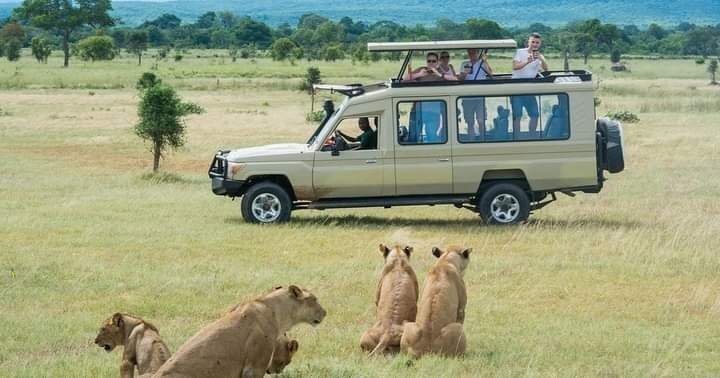
The standard Kenya safari format — 4×4 Land Cruiser with pop-up roof, professional driver-guide, 2-3 game drives daily, midday rest at lodge. Suitable for all ages and fitness levels. Represents 90% of Kenya safaris and delivers excellent results across all parks.
Fly-In Safari
Light aircraft flights between parks eliminate long road transfers. Particularly valuable for Samburu (5 hours drive vs 1 hour flight from Nairobi). Premium pricing (USD 200-350 per flight segment) but worthwhile for time-constrained travelers or those combining distant parks.
Walking Safari
Guided bush walks with armed rangers focusing on tracking, smaller species, and ecosystem understanding. Available in conservancies, some private reserves, and designated national park zones. Adds immersive dimension unavailable from vehicles.
Photographic Safari
Specialised Kenya safari tours for serious photographers — private vehicles allowing positioning control, dedicated photo guide understanding composition and lighting, flexible timing for golden hour shoots. Masai Mara conservancies ideal.
Family Safari
Child-friendly Kenya safari packages with shorter game drives, family suites or interconnecting rooms, swimming pools for downtime, flexible meal times, and educational activities at lodges. Recommend Masai Mara or Amboseli for reliable sightings. Most lodges accept children 5+ years.
Honeymoon Safari
Romantic Kenya safari holiday experiences combining luxury lodges, private conservancy camps, and exclusive activities — bush dinners, sunrise champagne breakfasts, spa treatments. Typically £3,000-6,000 per couple for 6-8 days but creates unforgettable memories.
Kenya Safari Pros and Cons — Honest Assessment
✅ Kenya Safari Advantages
- Great Migration July-October — nature’s greatest spectacle
- Exceptional wildlife diversity — Big Five + 25,000 species
- Excellent infrastructure — direct flights, good roads, reliable lodges
- Year-round safari opportunities — no completely “bad” season
- Superior value — 40-60% less than Botswana/South Africa equivalents
- Political stability and safety — mature tourism industry
- Cultural richness — Maasai, Samburu authentic interactions
- Wide accommodation range — budget camping to ultra-luxury
⚠️ Honest Challenges
- Masai Mara crowds during peak migration (August-September)
- Green season (April-May) brings afternoon rains most days
- Tourist touts in Nairobi can be persistent (easily managed)
- Some lodges overstate quality — research essential
- Limited off-road driving in national parks (conservancies allow it)
- Peak season premium pricing (30-50% more than low season)
Kenya vs Tanzania Safari — Which is Better?
| Factor | Kenya | Tanzania | Winner |
|---|---|---|---|
| Wildlife Density | Excellent (Mara concentrated) | Excellent (Serengeti vast) | Tie |
| Infrastructure | Superior (direct flights, roads) | Good (improving) | Kenya |
| Migration Access | Concentrated (Jul-Oct Mara) | Year-round (larger area) | Depends on timing |
| Value/Cost | Excellent (budget-luxury range) | Moderate (pricier on average) | Kenya |
| Unique Features | Amboseli/Kilimanjaro, Samburu specials | Ngorongoro Crater, Selous | Tie |
| Ease of Planning | Very easy (mature industry) | Moderate (fewer options) | Kenya |
Expert Kenya Safari Tips from Professional Guides

Wildlife Viewing Tips
- Wake Early: 5:30-6:00 AM game drives produce the best predator sightings — lions and leopards most active before heat
- Bring Quality Binoculars: 8×42 or 10×42 essential — you’ll miss 50% of what guides spot without them
- Stay Quiet in Vehicle: Whisper during sightings — loud voices spook wildlife and irritate other guests
- Be Patient at Sightings: Spend 15-20 minutes watching behaviour rather than quick photo and move
- Trust Your Guide: Professional guides know where wildlife congregates — resist backseat driving
Photography Tips
- 300mm Minimum: Shorter focal lengths frustrate — animals remain too distant for frame-filling shots
- Shoot Morning/Evening: Harsh midday light creates poor images — rest during 11:00-3:00 PM
- Protect from Dust: Dry season dust destroys camera sensors — use sealed bags between game drives
- Shoot Behaviour Not Portraits: Action, interaction, and context create compelling images beyond static animals
Money-Saving Tips
- Book Green Season: April-May safaris cost 40-50% less with 90% of peak season wildlife
- Join Group Departures: Sharing vehicle costs reduces per-person pricing 30-40%
- Avoid Peak Weeks: Travel late July or late September vs mid-August for same migration, lower prices
- Book Complete Packages: All-inclusive rates beat assembling components independently
Health and Safety Tips
- Take Malaria Prophylaxis: All Kenya parks (except Nairobi area) are malaria zones — don’t skip medication
- Sun Protection Essential: SPF 50+ sunscreen, wide-brim hat — equatorial sun is intense
- Comprehensive Insurance: Emergency evacuation from remote parks costs USD 30,000-80,000 without insurance
- Stay in Vehicle: Never exit during game drives unless guide confirms safety — lions attack humans outside vehicles
The single best investment for any Kenya safari is quality binoculars. Guests without them spend half the safari asking “where is it?” while everyone else watches behaviour. I’ve loaned binoculars to unprepared guests who later said it transformed their entire experience. Don’t make this mistake.
— Lead Guide, Armani Tours and Travel, 16 years Masai Mara experienceWhy Choose Armani Tours and Travel for Your Kenya Safari
Decade of Kenya Safari Operations
Armani Tours has operated Kenya safari tours since 2019, conducting thousands of safaris across every major park and seasonal variation. Our guides average 8-12 years field experience. We personally inspect every lodge and camp we recommend and track real-time wildlife movements across all parks through our guide network.
Transparent All-Inclusive Pricing
Our Kenya safari quotes include all essential costs upfront: accommodation, meals (full-board), 4×4 transport with pop-up roof, professional driver-guide, all park fees, game drives, and 1.5L water daily. What you see is what you pay — no hidden fees, no surprise additions.
Flexible Customisation
Every published package serves as a starting point. We customise itineraries freely based on your specific interests: wildlife photography priorities, family-friendly pacing, honeymoon romance, budget constraints, or combining Kenya with Tanzania, Rwanda, or Zanzibar.
Professional Driver-Guides
Our driver-guides undergo rigorous training in wildlife identification, tracking, photography assistance, cultural sensitivity, and customer service. All guides are Kenya Professional Safari Guides Association certified with minimum 5 years field experience.
24/7 Safari Support
Our Nairobi-based operations team monitors every Kenya safari in real-time with 24/7 WhatsApp and phone availability. Flight delays, weather challenges, lodge issues, or any other problems resolve quickly through our local infrastructure.
Your Kenya Safari Adventure Awaits
A Kenya safari represents far more than a vacation — it’s a transformative encounter with the natural world that changes how you see humanity’s place in the broader ecosystem. From the Masai Mara’s legendary Great Migration to Amboseli’s elephant herds framed by Mount Kilimanjaro, from Samburu’s unique northern species to Tsavo’s vast wilderness, Kenya delivers wildlife experiences that exceed even ambitious expectations.
The diversity of Kenya wildlife safari opportunities accommodates every budget, interest, and travel style. Budget camping safaris provide genuine Big Five encounters at accessible prices. Luxury conservancy camps offer exclusive experiences rivalling the world’s finest safari destinations. This range makes Kenya’s extraordinary biodiversity accessible to far broader demographics than exclusive-only alternatives.
Kenya is not an abstract destination on a map — it’s a living, breathing ecosystem where 25,000+ wildlife species demonstrate nature’s extraordinary creativity daily. Your Kenya safari awaits. Let’s start planning this transformative journey together.
🦁 Book Your Kenya Safari Today
From budget camping to luxury conservancies, Great Migration spectacles to intimate elephant encounters — Armani Tours designs the perfect Kenya safari for your priorities, schedule, and budget. Expert guides, transparent pricing, 10+ years Kenya experience.
📧 info@armanitoursandtravel.com · 📞 +254 722 534 853 · ✅ Free Consultation · ✅ Zero Hidden Fees
Kenya Safari — Frequently Asked Questions
The best time for a Kenya safari depends on your priorities. July-October offers the Great Migration in Masai Mara, dry weather, and peak wildlife concentrations — ideal for first-time visitors but with 30-50% price premiums. January-February delivers excellent wildlife viewing, newborn animals, warm weather, and moderate pricing with fewer crowds. April-May green season offers exceptional value (40-50% discounts) with afternoon rains but excellent wildlife viewing and empty parks. Kenya maintains year-round safari opportunities unlike some destinations with pronounced off-seasons.
Kenya safari costs vary dramatically by accommodation category and trip length. Budget camping safaris: £90-150 per person per day (3-day Masai Mara from £385). Mid-range lodge safaris: £180-280 per person per day (5-day Amboseli & Mara from £890). Luxury safaris: £400-650 per person per day. Ultra-luxury conservancy camps: £800-1,500+ per person per day. A typical 7-day mid-range Kenya safari costs £1,300-1,600 per person including accommodation, all meals, 4×4 transport, park fees, and game drives — representing 40-60% savings versus equivalent Botswana or South Africa experiences.
Masai Mara National Reserve is Kenya’s premier safari destination — home to the Great Migration (July-October), 400-500 lions, exceptional Big Five populations, and world-class wildlife photography opportunities. For elephant-focused safaris, Amboseli National Park is unmatched with 1,600+ elephants and iconic Mount Kilimanjaro backdrops. Samburu National Reserve offers unique northern species unavailable elsewhere in Kenya. The “best” park depends on priorities — most comprehensive Kenya safaris combine 2-3 parks for ecosystem diversity.
Yes — Kenya safari tourism is very safe with a mature industry spanning over a century. National parks and private conservancies maintain excellent security with armed rangers and comprehensive safety protocols. Wildlife viewing occurs from secure vehicles with professional guides trained in animal behaviour and emergency response. Kenya’s political stability, established tourism infrastructure, and economic dependence on safari tourism create strong visitor protection. Comprehensive travel insurance including medical evacuation is essential but incidents requiring it are extremely rare.
Kenya safaris deliver encounters with Africa’s most iconic species: the Big Five (lion, leopard, elephant, buffalo, rhino), cheetahs, giraffes (3 subspecies), zebras (2 species), hippos, crocodiles, hyenas, and over 25,000 total wildlife species. The Masai Mara hosts 400-500 lions, providing 90-95% sighting probability on 3-day safaris. Amboseli guarantees elephant encounters (1,600+ individuals). The Great Migration (July-October) brings 1.5 million wildebeest and 400,000 zebras to the Masai Mara creating the planet’s greatest wildlife spectacle.
Yellow fever vaccination certificate is required only if arriving from yellow fever-endemic countries. Malaria prophylaxis is strongly recommended for all Kenya safari parks except the Nairobi area — consult a travel medicine doctor 6-8 weeks before departure. Additional recommended vaccinations: hepatitis A and B, typhoid, tetanus booster, and routine vaccinations. Comprehensive travel insurance including emergency medical evacuation is essential as remote safari parks are 1-3 hours from major hospitals.
Minimum 5 days recommended for a satisfying Kenya safari covering 2 parks. Ideal first-time Kenya safari: 7-8 days allowing 3 parks (Mara, Amboseli, Lake Nakuru or Samburu) with relaxed pacing. For Great Migration focus, 4-5 days in Masai Mara during August-September maximises river crossing probability. Comprehensive Kenya exploration: 10-12 days covering 4-5 diverse parks. Combined Kenya-Tanzania safaris work best with 12-14 days.
Yes — the Masai Mara hosts the Kenyan leg of the Great Migration from July through October when 1.5 million wildebeest and 400,000 zebras cross the Mara River in dramatic scenes that define wildlife television. Peak river crossing activity occurs August-September. A 4-5 day Masai Mara safari in August-September provides approximately 70-80% probability of witnessing at least one river crossing. Book migration safaris 4-6 months in advance as lodges fill quickly.
Armani Tours offers comprehensive Kenya safari packages from 3-day Essential Mara (£385 budget camping) to 10-day Grand Kenya (£2,750 mid-luxury) and 6-day Luxury Migration (£3,200+ conservancy camps). All packages include 4×4 transport, professional driver-guide, full-board meals, park fees, game drives, and 24/7 support. Every itinerary is fully customisable based on your specific dates, interests, accommodation preferences, and budget.
Kenya and Tanzania both deliver world-class safari experiences with different strengths. Kenya advantages: superior infrastructure (direct international flights, better roads), concentrated Great Migration viewing in compact Masai Mara (July-October), iconic Amboseli elephants with Kilimanjaro backdrops, better value (20-30% less expensive on average), and easier trip planning. Tanzania advantages: vast Serengeti wilderness, spectacular Ngorongoro Crater, and year-round migration presence somewhere in the ecosystem. Best choice depends on priorities — or combine both in 12-14 day trips for comprehensive East African wildlife experiences.
