

Best Time To Visit Zanzibar: The Complete Month-by-Month Guide for 2026
Best Time To Visit Zanzibar — Everything You Need to Plan Your Perfect Trip
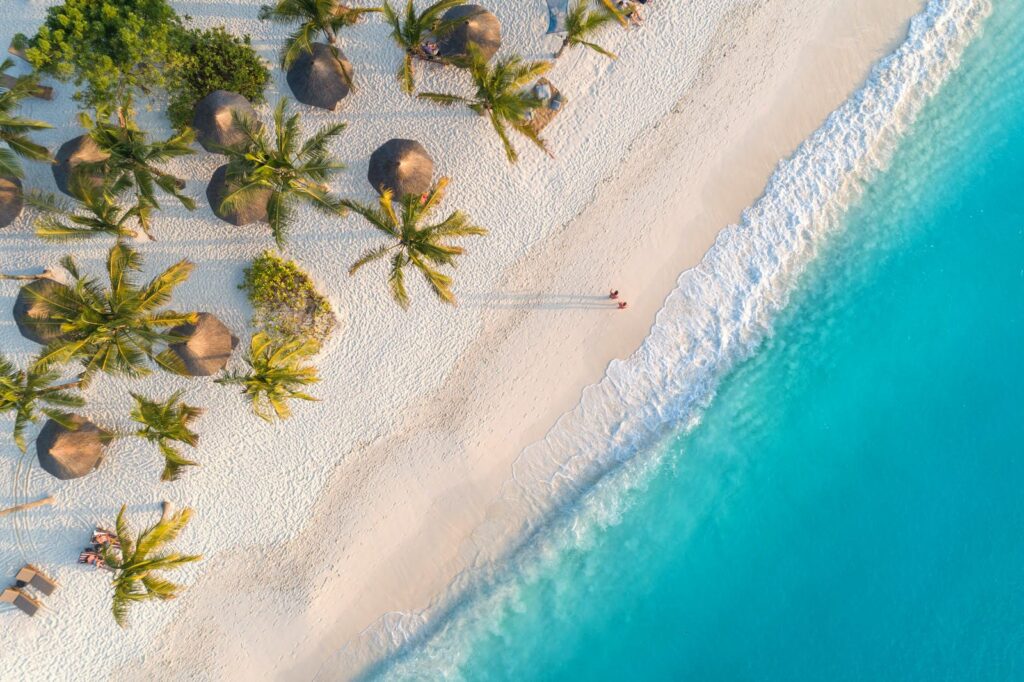
The best time to visit Zanzibar is during the two dry seasons — June to October and January to February — when sunshine is guaranteed, beaches are at their most spectacular, and diving conditions at Mnemba Atoll reach peak clarity with visibility regularly exceeding 30 metres. But this is only the beginning of the answer. Zanzibar’s tropical climate is warm year-round, and every season has genuine advantages that make it the right choice for a specific type of traveller. Understanding which season matches your priorities is the key to an extraordinary Zanzibar experience.
At Armani Tours and Travel, we have designed Zanzibar itineraries for over a decade — for families, divers, honeymooners, kitesurfers, budget travellers, and luxury seekers. The question of when is the best time to visit Zanzibar comes up in virtually every enquiry we receive, and the honest answer is never a single month. It is a nuanced match between your travel priorities, your budget, your activity preferences, and your flexibility on weather.
This guide gives you the complete picture — month-by-month weather data, seasonal activity conditions, price variations, crowd levels, and expert recommendations for every type of traveller. By the time you finish reading, you will know exactly when to visit Zanzibar to get the most from your specific trip.
Quick Answer — Best Time To Visit Zanzibar by Travel Goal
Not sure which Zanzibar best time to visit applies to you? Match your travel goal to the optimal season instantly using this decision guide. Every recommendation reflects genuine field experience rather than generic travel advice.
⚡ Find Your Perfect Zanzibar Season
The Four Zanzibar Seasons — Understanding When To Visit Zanzibar
| Season | Months | Weather | Rainfall | Temp (°C) | Price Level | Ideal For |
|---|---|---|---|---|---|---|
| ☀️ Long Dry Season | June–October | Guaranteed sunshine · Low humidity · Cool SE trade winds | Near zero — rare brief showers only | 23–28°C | Peak (+30–50%) | Kitesurfing, families, beaches, safari combos |
| 🌊 Short Dry Season | January–February | Clear skies · Warmest of the year · Calm Indian Ocean | Very low — mostly dry | 28–32°C | Mid (–20–25%) | Diving, honeymooners, warm-water swimming |
| 🌤️ Short Rains | November–December | Mostly sunny mornings · Brief afternoon showers possible | Moderate — 30–50% of days | 27–30°C | Low–Mid (–20–35%) | Value seekers, quiet beaches, culture |
| ⛅ Shoulder / Transition | March | Generally good · Rain risk increasing late in month | Low–Moderate | 27–30°C | Low (–25–35%) | Budget travel, quieter beaches |
| 🌿 Long Rains (Green Season) | April–May | Sunny mornings · Heavy afternoon showers most days | High — 50–70% of days | 25–30°C | Lowest (–40–50%) | Budget, solitude, lush landscapes, culture |
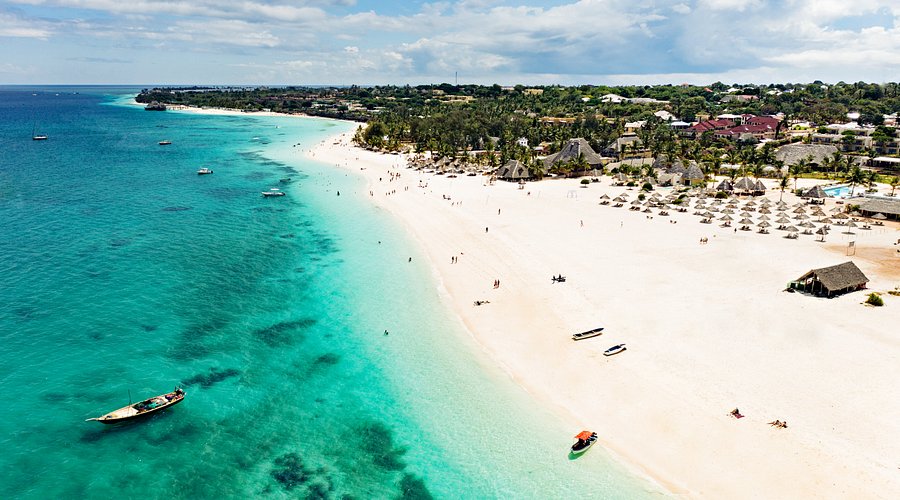
Zanzibar sits just 6 degrees south of the equator, creating a tropical climate with warm temperatures year-round — the mercury rarely drops below 24°C or climbs above 33°C. What varies significantly across the year is rainfall, humidity, ocean conditions, and wind patterns. These four factors combine to create four distinct seasonal windows, each with its own character, advantages, and ideal traveller profile. The table below is your essential reference for deciding the best time to visit Zanzibar based on weather, price, and activity goals.
Understanding Zanzibar’s seasonal calendar is the foundation of answering when is the best time to visit Zanzibar for your specific needs. The island does not have a true “off-season” in the way that colder-climate destinations do — it has different versions of a warm tropical island, each appealing to a different mindset. Whether you are asking when is the best time to visit Zanzibar for diving, beaches, budget travel, or a family holiday, the answer starts here.
June to October — The Best Time To Visit Zanzibar for Peak Conditions
The long dry season from June to October is the most popular window for visiting Zanzibar — and with very good reason. This five-month stretch delivers everything that makes the island extraordinary: guaranteed sunshine, reliable cool breezes that prevent oppressive heat, calm Indian Ocean waters on the north coast, strong kitesurfing winds on the east coast, and beach conditions that justify every superlative used to describe this destination. If you are asking when is the best time to visit Zanzibar with no budget constraints and no special activity requirements, this is the unambiguous answer.
Temperature: 25–28°C daily average · Comfortable humidity (60–70%) · Southeast trade winds keep conditions pleasant even at peak temperatures.
Rainfall: Near-zero — this is Zanzibar’s most reliably dry period. Rain is possible but genuinely rare, typically a brief passing shower lasting under 30 minutes.
Ocean conditions: North coast (Nungwi, Kendwa) — calm, warm, swimmable all day. East coast (Paje, Jambiani) — strong kitesurfing winds, tidal as always.
Crowds and prices: Peak tourist season — expect 30–50% higher accommodation prices than off-peak. July and August are the busiest months. Book 3–6 months ahead for the best properties.
Why June to October Stands Out as the Best Time To Visit Zanzibar
- Virtually zero rainfall — the most reliable weather window of the entire year
- Southeast trade winds (Kusi) keep temperatures comfortable and humidity low
- Water temperature 26–27°C — perfect for extended swimming without wetsuits
- Kitesurfing conditions at Paje reach peak strength — 20–30 knots consistently
- Perfectly timed with Tanzania’s Northern Circuit dry season — ideal for safari combinations
- The Great Serengeti Migration peaks in July–August for combined Tanzania and Zanzibar trips
- Jozani Forest wildlife, dolphin watching, and spice tours all excellent in dry conditions
- Evening temperatures pleasantly cool — ideal for Stone Town exploration and outdoor dining
Month-by-Month Breakdown: June to October
June: The transition from the long rains creates a particularly beautiful Zanzibar — lush green landscapes combined with increasingly reliable sunshine. Kitesurfing season begins. Crowds lower than July–August. This is arguably the best time of year to visit Zanzibar for those wanting peak conditions with slightly fewer tourists.
July and August: The height of the tourist season — busiest beaches, highest prices, fullest resorts. Also the height of the Serengeti Migration for Tanzania safari combinations. School holidays in the UK, Europe, and East Africa drive demand. Book well in advance for this window.
September: Excellent conditions with crowds beginning to ease slightly from the July–August peak. Kitesurfing remains strong. One of the best months to visit if you want peak-quality weather with a marginally quieter atmosphere.
October: A transitional month — dry season conditions continue but diving visibility begins its rapid improvement as the northeast monsoon approaches. This month offers excellent all-round conditions and represents good value relative to July–August peak pricing.
January and February — The Best Time To Visit Zanzibar for Divers and Honeymooners
January and February represent Zanzibar’s short dry season — and for specific types of travellers, these two months are genuinely the best time to go to Zanzibar rather than a second-best compromise. The warmest water temperatures of the year, outstanding diving visibility that regularly exceeds 30 metres, calm ocean conditions on both the north and east coasts, and prices 20–30% below the June–October peak combine to create compelling reasons to choose this window deliberately rather than by default.
Temperature: 28–32°C — the warmest months of the year · High humidity (75–85%) but minimal rainfall · Ocean temperature peaks at 28–29°C.
Rainfall: Very low — this is a genuine dry period despite the heat and humidity. Occasional afternoon showers are possible but rare and brief.
Ocean conditions: Calmest of the year on both coasts · Exceptional diving visibility — regularly 30m+ at Mnemba Atoll · Warm water enables extended snorkelling and diving without fatigue.
Crowds and prices: Moderate tourist numbers — significantly quieter than July–August peak · 20–30% lower prices than peak season · Availability generally good with advance booking of 4–6 weeks.
Why Divers Should Make January–February Their Best Time To Visit Zanzibar
The northeast monsoon (Kasikazi) brings calm seas, excellent visibility, and water temperatures of 28–29°C to Mnemba Atoll — creating some of the finest diving conditions of the entire year. Sea turtle encounters are guaranteed. Whale sharks are possible October to February, with the highest probability in January–February as the season peaks. Coral health is exceptional. If diving and snorkelling are your primary things to do in Zanzibar, this window is genuinely superior to the July–October period for underwater conditions.
Why Honeymooners Choose January–February as the Best Time To Go to Zanzibar
Warm water for swimming at any hour, stunning Indian Ocean sunsets, calm beaches less crowded than peak season, and luxury resort rates running 20–30% below their July–August high — January and February offer the romantic Zanzibar experience at significantly better value. Boutique properties at Matemwe, Michamvi, and Nungwi are available with shorter booking lead times, and private sandbank picnics and sunset dhow charters operate in ideal calm-water conditions.
This window also aligns perfectly with Tanzania’s Serengeti calving season (January–March) — creating an outstanding combination of baby wildebeest and zebra on the Serengeti plains followed by warm Indian Ocean relaxation. Explore our Zanzibar honeymoon packages and Tanzania safari and Zanzibar combinations for this period.
November and December — The Best Time To Visit Zanzibar for Value Seekers
The short rains (Vuli) from November through mid-December bring brief afternoon showers on 30–50% of days but should not deter visitors who understand how to work with — rather than against — Zanzibar’s tropical weather patterns. This shoulder period offers a genuinely attractive combination of acceptable weather, moderate pricing, and considerably quieter beaches than the July–October peak. November and December deserve more consideration than they typically receive when travellers research the best time to go to Zanzibar.
Temperature: 27–30°C · Humidity moderate to high (70–80%) · Warm but not oppressive.
Rainfall: Afternoon showers on 30–50% of days · Typically brief (30–90 minutes) · Mornings usually clear and sunny · Less rain than April–May long rains.
Ocean conditions: North coast swimming excellent most days · Diving visibility improving rapidly through November–December as northeast monsoon establishes · East coast conditions variable.
Crowds and prices: Significantly quieter than peak season · 20–35% below peak prices · Good availability at most properties · December from Christmas onward fills quickly — book ahead for 24 Dec–2 Jan period.
November — The Quietest Shoulder Month
November is Zanzibar’s quietest month — fewer tourists than any other time of year except April–May. If you value having beaches largely to yourself, finding excellent accommodation at modest prices, and enjoying the island without the July–August crowd energy, November is worth serious consideration as your best time to visit Zanzibar. Weather reliability is around 60–70% sunny days — enough for a very satisfying beach holiday with the right mindset.
December — A Tale of Two Halves
Early December (1–20) continues the shoulder season character — moderate prices, improving weather, and building excitement as the Christmas period approaches. From December 20 onward, Zanzibar transforms into a festive destination as European and East African families arrive for the Christmas and New Year holiday period. Prices rise sharply for the 24 December to 2 January window. If visiting in December, book early and consider arriving in the first two weeks for the best combination of weather (which improves significantly from mid-December as the rains ease), value, and availability.
April and May — The Best Time To Visit Zanzibar on a Tight Budget
April and May bring Zanzibar’s long rains (Masika) — the most significant rainfall of the year — and the lowest prices of any period. These months are frequently dismissed entirely by travellers researching the best time of year to visit Zanzibar, but that dismissal is often a mistake made by people who have never experienced what a tropical wet season actually feels like in practice. The reality is more nuanced than “it rains, so don’t go.”
Temperature: 26–30°C · High humidity (80–90%) · Warm but often overcast during rain periods.
Rainfall: Afternoon showers on 50–70% of days · Rain typically begins 2:00–4:00 PM and lasts 1–3 hours · Mornings usually dry and sunny · May is the wettest month.
Ocean conditions: Diving possible but visibility reduced compared to dry season · Some boat trips cancelled in heavy weather · East coast kitesurfing very limited (wrong wind direction).
Crowds and prices: Minimum tourist numbers — beaches often virtually empty · Accommodation 40–50% below peak prices · Many upgrade opportunities at base rates · Activities significantly discounted.
Who Should Visit During April–May
The green season is not for everyone — but for the right traveller, it delivers an exceptional experience at extraordinary value. The best time to visit Zanzibar on a budget is unambiguously April to May. Consider this window if you are:
- A budget-conscious traveller who can structure mornings for beach and activities, and afternoons for Stone Town exploration, cooking classes, or simply relaxing as the rain falls on a beach bungalow roof
- A photographer seeking the island’s most lush, vivid green landscapes — the post-rain vegetation is genuinely spectacular and often ignored in standard travel photography
- A traveller seeking genuine solitude — east coast beaches like Paje, Jambiani, and Bwejuu in April–May are as close to deserted as they ever get
- A flexible traveller comfortable with some weather unpredictability who values saving 40–50% on accommodation and activities
- Someone primarily interested in cultural activities — Stone Town, spice tours, cooking classes, and Jozani Forest visits are excellent regardless of afternoon rain
Month-by-Month Guide — Best Time To Visit Zanzibar Throughout the Year
| Month | Weather | Temp (°C) | Rainfall | Crowd Level | Relative Price | Best For |
|---|---|---|---|---|---|---|
| January | ☀️ Excellent | 28–32°C | Very Low | Moderate | Mid (–25%) | Diving, honeymoons, warm water |
| February | ☀️ Excellent | 28–32°C | Very Low | Low-Moderate | Mid (–25%) | Diving, honeymooners, families |
| March | ⛅ Good | 27–30°C | Low-Moderate | Low | Low (–35%) | Budget travel, quiet beaches |
| April | 🌧️ Rainy | 26–30°C | High | Very Low | Lowest (–50%) | Budget, culture, empty beaches |
| May | 🌧️ Wettest | 25–28°C | Very High | Minimum | Lowest (–50%) | Budget, solitude, culture only |
| June | ☀️ Excellent | 24–27°C | Very Low | Growing | High (+20%) | Kite, beaches, all-round |
| July | ☀️ Peak | 24–27°C | Minimal | Highest | Peak (+50%) | Everything — school holidays |
| August | ☀️ Peak | 24–27°C | Minimal | Very High | Peak (+50%) | Kite, safari combo, families |
| September | ☀️ Excellent | 25–28°C | Minimal | High | High (+35%) | All activities, slightly quieter |
| October | ☀️ Very Good | 26–29°C | Low | Moderate | Mid (+15%) | Diving starts improving, all-round |
| November | ⛅ Variable | 27–30°C | Moderate | Low | Low (–30%) | Budget, quiet beaches, culture |
| December | ⛅ Good | 27–30°C | Low-Moderate | Moderate-High | Mid-High | Christmas, festive, improving weather |
Price comparison based on peak July rate = baseline · Temperatures are daily averages · Rainfall indicates frequency not intensity
Best Time To Visit Zanzibar for Diving and Snorkelling
If your primary reason for visiting is diving or snorkelling at Mnemba Atoll — East Africa’s premier underwater destination — the best time to visit Zanzibar shifts to October through March, with January and February representing the absolute peak. This is when water visibility at Mnemba regularly exceeds 30 metres, water temperature is at its warmest (28–29°C), and the northeast monsoon brings calm seas that make boat trips comfortable and surface intervals pleasant.
Diving Conditions by Season
Mnemba Atoll — Seasonal Diving Conditions
October–March (Best Diving Season)
Northeast monsoon (Kasikazi) brings calm seas, clear water, and exceptional visibility averaging 20–30+ metres. Water temperature peaks at 28–29°C in January–February. Whale sharks possible October–February. Sea turtles guaranteed year-round. October marks the rapid transition from good to outstanding conditions.
June–September (Good Diving Season)
Southeast trade winds (Kusi) create slightly reduced visibility (15–25 metres) compared to the northeast monsoon period, but diving remains excellent. Water temperature 26–27°C. Sea turtles abundant. Fewer dive boats in the water than during March–May shoulder period despite peak season tourism. Strong winds mean slightly choppier surface conditions — not an issue once underwater.
April–May (Reduced Diving Conditions)
Visibility reduces during the long rains (10–20 metres at Mnemba). Some boat trips cancelled in heavy weather. Not ideal for diving as the primary trip purpose but not impossible. PADI certification courses continue through this period at significantly reduced rates.
Key Diving Facts for Planning
- Sea turtles: Year-round — near-guaranteed on every Mnemba dive in all seasons
- Whale sharks: October to February — highest probability November–January
- Dolphin encounters: Year-round at Mnemba and Kizimkazi — peak June to October
- Reef sharks: Year-round — blacktip and whitetip reef sharks throughout
- Best visibility: January–February (30m+) and October–March generally
- PADI certification: Available year-round — cheapest April–May
- Dive boat crowds: Highest July–October — Mnemba still manageable given multiple sites
For serious divers planning their trip around underwater conditions, explore our Zanzibar day tours programme which includes guided Mnemba Atoll diving and snorkelling excursions throughout the year.
Best Time To Visit Zanzibar for Kitesurfing at Paje
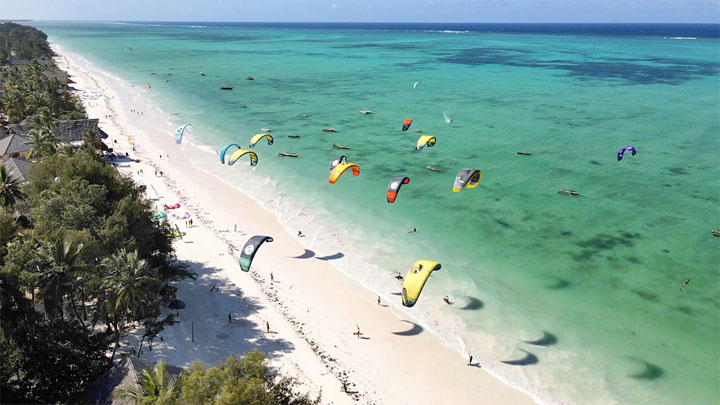
Paje Beach on Zanzibar’s east coast is East Africa’s undisputed kitesurfing capital, and understanding the wind calendar is essential for kitesurfers planning the best time to go to Zanzibar for this specific purpose. Zanzibar experiences two distinct kite seasons driven by different monsoon systems, making it a year-round destination for riders willing to accept slightly different conditions in each window.
Main Kite Season: June to October
The southeast trade winds (Kusi) deliver Zanzibar’s strongest and most consistent kite conditions — 20–30 knots on most days, rarely dropping below 15 knots. This is the undisputed Zanzibar best time to visit for experienced riders seeking strong, reliable wind. The wide flat lagoon at Paje becomes a kitesurfing playground. Multiple IKO-certified schools operate at full capacity. Jambiani, 10 km south of Paje, offers equally excellent conditions with far fewer riders on the water.
Secondary Kite Season: December to March
The northeast monsoon brings lighter but still consistent winds of 12–20 knots — better suited to lighter kites and beginner courses. January and February particularly deliver steady thermal winds in the afternoon that complement the morning northeast monsoon flow. Many riders prefer this quieter season for learning, as the lagoon is less crowded and instructors are more available. This makes December–March the best time of year to visit Zanzibar for kite learners who also want warm water and great diving conditions simultaneously.
| Month | Wind Speed | Wind Direction | Kite Rating | Recommended For |
|---|---|---|---|---|
| June | 18–25 knots | Southeast (Kusi) | ★★★★★ | All levels — season starts |
| July | 20–30 knots | Southeast (Kusi) | ★★★★★ | Experienced, intermediate |
| August | 20–30 knots | Southeast (Kusi) | ★★★★★ | Experienced, intermediate |
| September | 18–25 knots | Southeast (Kusi) | ★★★★★ | All levels |
| October | 12–20 knots | Transitional | ★★★☆☆ | Intermediate, lighter kites |
| Nov–Dec | Variable | Northeast (Kasikazi) | ★★☆☆☆ | Beginners, light wind riders |
| January | 12–18 knots | Northeast (Kasikazi) | ★★★☆☆ | Beginners, lessons |
| February–March | 12–20 knots | Northeast (Kasikazi) | ★★★☆☆ | All levels — uncrowded |
| April–May | Unreliable | Variable | ★☆☆☆☆ | Not recommended |
Best Time To Visit Zanzibar for a Honeymoon
The best time to visit Zanzibar for a honeymoon requires balancing romantic atmosphere, weather reliability, warm water for swimming, and accommodation availability at a price that leaves budget for the experiences themselves. After designing hundreds of Zanzibar honeymoons at Armani Tours Zanzibar Honeymoon Packages, our recommendation is consistently January to February as the premier honeymoon window — with October to November as an excellent second choice.
January–February: The Premier Honeymoon Window
Warm water (28–29°C) for swimming at any hour of the day, reliably clear skies, outstanding diving visibility, boutique resort availability, and prices 20–30% below peak season combine to create ideal honeymoon conditions. Sandbank picnic excursions operate in perfect calm-water conditions. Sunset dhow cruises deliver spectacular Indian Ocean colour. The island feels less crowded than July–August, creating the genuine sense of private paradise that honeymooners seek.
October–November: The Value Honeymoon Window
October delivers peak season conditions at transitional prices as the crowds thin out. Diving visibility at Mnemba begins its rapid improvement. The romantic evening atmosphere of Stone Town is at its best in lower-humidity October weather. November introduces the short rains but with significantly reduced prices — couples comfortable with occasional afternoon showers find exceptional value and genuine intimacy on beaches that are notably quieter than peak season.
“The couples who choose January and February for their Zanzibar honeymoon consistently report the most satisfied experiences — warm Indian Ocean water that never feels cold, boutique resorts at their most attentive, and the feeling of having discovered the island rather than following the crowd. January is genuinely special.”
— Senior Honeymoon Specialist, Armani Tours and Travel, 9 years Zanzibar honeymoon experienceBest Time To Visit Zanzibar with the Family
Families planning the best time of year to visit Zanzibar have two primary considerations beyond weather: school holiday alignment and swimming safety for children. The north coast beaches at Nungwi and Kendwa allow all-day swimming regardless of season (minimal tidal variation), making them the recommended family base year-round. But weather reliability adds an important additional layer.
July to September: The Family Sweet Spot
The combination of school holidays across the UK, Europe, and East Africa with Zanzibar’s peak dry season makes July to September the most popular family window. Guaranteed sunshine, calm north coast waters, all family-friendly activities (Prison Island tortoises, Jozani Forest monkeys, spice tours, dolphin watching) operating at full capacity, and the vibrant social atmosphere of peak season beaches creates an experience children and parents alike remember vividly.
January–February: The Underrated Family Option
January and February are not typical school holiday months in most countries, but for families with flexible schedules or those from southern hemisphere countries with January summer holidays, this window delivers extraordinary family value. Prices run 20–30% below July peak, beaches are less crowded (giving children more space to play), water is the warmest of the year, and all family activities remain in full operation.
Family Activity Calendar
- Prison Island (tortoises + snorkelling): Year-round — excellent in all dry season months
- Jozani Forest (red colobus monkeys): Year-round — best in dry season for clear forest trails
- Spice plantation tour: Year-round — most aromatic and lush in June (post-rains)
- Dolphin watching at Kizimkazi: Year-round — peak activity June to October
- Beach swimming (Nungwi/Kendwa): Year-round — all-day swimming regardless of season
- Stone Town walking tour (older children 8+): Year-round — best in cooler dry season months
Best Time To Visit Zanzibar on a Budget
The best time to go to Zanzibar for budget-conscious travellers is April to May during the long rains, or March and November during the shoulder transitions. The price differences are substantial — not marginal. A mid-range beachfront resort that charges £150 per night in July routinely drops to £75–90 in April–May. A luxury boutique property at £400 in peak season may be available for £220 in November. Understanding this pricing calendar unlocks Zanzibar experiences that genuinely transform what your budget can achieve.
Budget Savings by Season
- April–May (40–50% savings): Maximum budget value — near-empty beaches, heavily discounted accommodation, activities at negotiable prices. Requires comfort with afternoon rains.
- November (30–35% savings): Good value with more reliable weather than April–May. Short rains bring brief showers but most mornings remain clear and sunny.
- March (25–35% savings): Transition from dry season to long rains — early March still has good weather at falling prices. Late March more variable.
- January–February (20–25% savings): Excellent conditions at genuinely lower prices than peak season — arguably the best value combination of weather quality and price on the island.
Best Time To Visit Zanzibar Combined with a Tanzania Safari
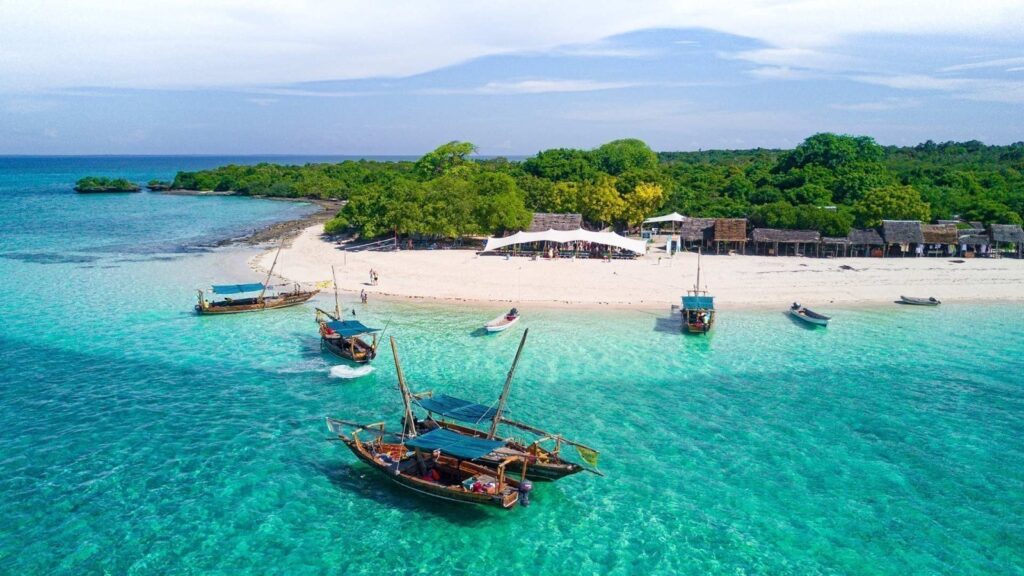
The Tanzania safari and Zanzibar beach combination is one of travel’s most satisfying experiences — and timing both destinations simultaneously requires understanding when they each perform at their best. Fortunately, the best time to visit Zanzibar aligns almost perfectly with the best times for Tanzania safari. The 45-minute flight between Arusha and Zanzibar makes logistics seamless once the timing is right.
Window 1: July to October — The Great Migration Alignment
This is the most popular and most complete Tanzania and Zanzibar combination window. The Serengeti Great Migration peaks at the Mara River crossing in July–August — one of the most dramatic wildlife spectacles on earth. Zanzibar’s long dry season runs simultaneously, delivering perfect beach conditions immediately after the wildlife intensity. October extends both seasons, with diving visibility at Mnemba beginning its rapid improvement as an additional bonus.
Window 2: January to March — Calving Season Alignment
Serengeti calving season (January–March) brings tens of thousands of wildebeest calves to the southern Serengeti — a tender, extraordinary counterpoint to the drama of the July migration. Zanzibar’s short dry season runs January–February, with the warmest water temperatures and outstanding diving visibility of the year. This combination offers significantly lower prices than the July–October window while delivering exceptional quality in both destinations.
| Period | Serengeti Highlight | Zanzibar Conditions | Combined Rating | Price Level |
|---|---|---|---|---|
| Jan–Feb | Calving season (south Serengeti) | Excellent — warm water, great diving | ★★★★★ | Mid |
| March | Migration moving north | Good — shoulder season | ★★★☆☆ | Low-Mid |
| Jun–Jul | Migration at Mara River | Peak — best beach conditions | ★★★★★ | Peak |
| Aug–Sep | Migration continues north | Excellent — dry season peak | ★★★★★ | Peak–High |
| October | Migration returning south | Very good — transitioning | ★★★★☆ | Mid-High |
| Nov–Dec | Calving preparation, south | Shoulder — short rains | ★★★☆☆ | Low-Mid |
Explore our complete range of Zanzibar beach and bush safari combinations, including our Tanzania safari and Kenya safari options that pair perfectly with Zanzibar.
Zanzibar Weather Data — Detailed Seasonal Information
Understanding Zanzibar’s precise weather patterns is essential for planning the best time to visit Zanzibar for your specific needs. The data below reflects long-term weather averages and should be used alongside the qualitative seasonal guides above.
| Month | Air Temp (°C) | Water Temp (°C) | Avg Rain Days | Avg Rainfall (mm) | Humidity | Sunshine Hours/Day |
|---|---|---|---|---|---|---|
| January | 28–32°C | 28–29°C | 4–6 days | 60mm | 78% | 8–9 hours |
| February | 28–32°C | 28–29°C | 4–5 days | 50mm | 78% | 8–9 hours |
| March | 27–30°C | 27–28°C | 8–10 days | 140mm | 80% | 6–7 hours |
| April | 26–30°C | 27–28°C | 16–18 days | 300mm | 84% | 4–5 hours |
| May | 25–28°C | 26–27°C | 17–20 days | 350mm | 85% | 4–5 hours |
| June | 24–27°C | 25–26°C | 3–5 days | 55mm | 72% | 8–9 hours |
| July | 23–26°C | 25–26°C | 2–3 days | 30mm | 68% | 9–10 hours |
| August | 23–26°C | 25–26°C | 2–3 days | 30mm | 68% | 9–10 hours |
| September | 25–28°C | 26–27°C | 3–4 days | 45mm | 70% | 8–9 hours |
| October | 26–29°C | 26–27°C | 6–8 days | 90mm | 74% | 7–8 hours |
| November | 27–30°C | 27–28°C | 10–13 days | 170mm | 79% | 5–6 hours |
| December | 27–30°C | 27–28°C | 8–10 days | 120mm | 78% | 6–7 hours |
Data represents long-term monthly averages — actual conditions vary year to year · Water temperature measured at Mnemba Atoll
What to Pack for Zanzibar — Season-by-Season Packing Guide
Knowing the best time to visit Zanzibar for your trip also shapes what you should bring. Packing correctly for the season you are visiting ensures maximum comfort and enjoyment regardless of whether you have chosen the dry season peak or the green season value window. The best time of year to visit Zanzibar for light packing is June–October when low humidity keeps everything dry.
Dry Season Packing (June–October and January–February) — Best Time To Visit Zanzibar Essentials
- Reef-safe sunscreen SPF 50+: Essential — equatorial sun is intense year-round but particularly strong in clear-sky dry season
- UV-protective swimwear: For extended snorkelling and beach days — much more practical than constant sunscreen reapplication
- Light cotton or linen clothing: Breathable fabrics for beach days and evening Stone Town exploration
- Modest cover-up for Stone Town: Shoulders and knees covered for walking in the Muslim-majority historic town
- Light fleece or layer for June–August evenings: Trade winds make evenings pleasantly cool — a light layer is useful after sunset
- Underwater camera/GoPro: Mnemba Atoll visibility in January–February is extraordinary — capture it
- Insect repellent (DEET-based): Mosquitoes present year-round — coastal breezes reduce numbers in dry season
Green Season Packing (April–May) and Shoulder Season (November–March)
- Compact waterproof rain jacket: Essential for April–May — afternoon showers are genuine and arrive quickly
- Waterproof bag or dry sack: For cameras and electronics during rainy season beach excursions
- Quick-dry clothing: Synthetic fabrics dry rapidly in humid conditions — cotton stays wet for hours
- Light umbrella: Useful for Stone Town walking in green season — avoids the need for full rain gear in most cases
- Sandals with good grip: Stone Town’s cobbled alleys become slippery when wet during rain season
- Stronger insect repellent: Mosquito populations increase during rainy season — DEET 30%+ recommended
- Antimalarial medication: Consult your travel health clinic — more important in green season when mosquito activity peaks
Booking Tips by Season — How to Get the Best From the Best Time To Visit Zanzibar
Knowing the best time to visit Zanzibar is only half the equation — knowing how to book strategically for your chosen season maximises the value and quality of your experience. The best time to go to Zanzibar in peak season requires forward planning; the green season rewards flexibility and last-minute decision making.
Peak Season Booking (June–October)
- Book accommodation 3–6 months ahead — July and August properties at popular beaches fill 6 months in advance
- Pre-book all major activities (Mnemba diving, dolphin tours, Stone Town tours) before arrival — they sell out
- Request early check-in when booking to maximise your first beach day
- Consider mid-week arrival (Tuesday–Thursday) for marginally lower prices than weekend peaks
- Book open-jaw flights (fly into Nairobi or Dar es Salaam, out of Zanzibar) for safari combination flexibility
Shoulder Season Booking (November and March)
- Book 4–6 weeks ahead — most properties have good availability
- Negotiate directly with smaller boutique properties for upgrades in low-demand periods
- Request flexible cancellation policies — November weather is genuinely variable
- Activities can be booked on arrival or 1–2 weeks ahead in shoulder season
- December 15–January 2 period: book as early as possible — Christmas demand spikes sharply
Green Season Booking (April–May)
- Last-minute availability is generally good — but the best properties still merit advance booking
- Ask specifically about upgrade offers — many resorts offer next-tier rooms at base rates in April–May
- Check tour operator cancellation policies for weather-dependent activities (boat trips, etc.)
- Plan activity-heavy mornings before 1:00 PM when rains typically arrive in the afternoon
- Use Armani Tours to access green season rates not available through standard booking channels
Pros and Cons — Honest Assessment of Every Season
Peak Dry Season (June–October)
✅ Advantages
- Guaranteed sunshine — most reliable weather of the year
- Best kitesurfing conditions at Paje (June–October)
- Excellent beach conditions on all coasts
- Perfect timing for Tanzania safari combinations
- All activities and tours operating at full capacity
- Most vibrant social atmosphere at beach resorts
⚠️ Disadvantages
- Highest prices of the year — 30–50% above off-peak
- Advance booking essential for best properties
- Beaches more crowded — less sense of private island
- Diving visibility slightly lower than Jan–Mar period
- July–August winds create rougher north coast conditions
Short Dry Season (January–February)
✅ Advantages
- Best diving and snorkelling visibility of the year (30m+)
- Warmest water temperature (28–29°C) — ideal for swimming
- 20–25% cheaper than peak season
- Less crowded than July–August — more intimate atmosphere
- Ideal for honeymooners — warm, calm, romantic
- Whale shark encounters possible at Mnemba
⚠️ Disadvantages
- Higher humidity than June–October period
- Kitesurfing winds lighter — less suitable for experienced riders
- Not school holiday aligned for most northern hemisphere families
Shoulder Seasons (November–December and March)
✅ Advantages
- 20–35% lower prices than peak season
- Quieter beaches — more private atmosphere
- Good weather reliability (60–75% sunny days)
- Activities available with shorter lead-time booking
- December festive atmosphere from mid-month
⚠️ Disadvantages
- Some afternoon rainfall (30–50% of days in November)
- Diving visibility building but not at peak levels yet
- December Christmas period prices spike — book early
- Some activities affected by variable weather conditions
Green Season (April–May)
✅ Advantages
- 40–50% lower prices than peak season
- Virtually empty beaches — maximum solitude
- Lush, vivid green landscapes after the rains
- Upgrade opportunities at luxury properties
- Cultural activities (Stone Town, spice tours) excellent
⚠️ Disadvantages
- Afternoon rains on 50–70% of days — planning required
- Diving visibility reduced compared to dry season
- Some boat trips and activities cancelled in heavy weather
- Higher humidity — can feel oppressive on still days
- Not suitable for guaranteed sunshine seekers
Conclusion — Finding Your Best Time To Visit Zanzibar
The best time to visit Zanzibar is ultimately a personal answer shaped by what you want from the island. June to October delivers the most reliable sunshine and perfect beach conditions at the highest price. January to February offers outstanding diving, warm water, and genuine value for money in a quieter, more intimate setting. November to December and March provide a compelling shoulder season balance of acceptable weather and reduced prices. April to May reward flexible, budget-conscious travellers with extraordinary value and near-empty beaches.
What remains consistent across all seasons is that Zanzibar itself never disappoints. The turquoise Indian Ocean, the UNESCO heritage of Stone Town, the spice plantations, the sea turtles of Mnemba Atoll, and the extraordinary warmth of the Zanzibari people make this one of Africa’s most complete travel destinations regardless of when you arrive. The question of when is the best time to visit Zanzibar is really a question of which version of a magnificent destination best matches your specific travel priorities.
At Armani Tours and Travel, we design Zanzibar tour packages for every season and every budget — from peak season luxury to green season value, from diving-focused itineraries to family beach adventures to romantic honeymoon escapes. Whatever your Zanzibar best time to visit, we know exactly how to make the most of it. Let us design the perfect itinerary for your chosen season.
🌴 Ready to Book Your Zanzibar Trip?
Whatever season you choose, Armani Tours and Travel designs the perfect Zanzibar itinerary around it — with expert seasonal knowledge, personally inspected accommodation, and 10+ years of island expertise. Transparent pricing, zero hidden fees.
📧 [email protected] · 📞 +254 722 534 853 · ✅ Free Consultation · ✅ No Hidden Fees
Best Time To Visit Zanzibar — Frequently Asked Questions
1. What is the best time to visit Zanzibar?
The best time to visit Zanzibar overall is June to October (long dry season) for guaranteed sunshine, excellent beach conditions, and ideal kitesurfing winds — and January to February (short dry season) for the warmest Indian Ocean water and outstanding diving visibility exceeding 30 metres at Mnemba Atoll. Both periods deliver peak quality. Shoulder seasons (November–December and March) offer good weather at 20–35% lower prices. April–May brings afternoon rains but 40–50% price savings and near-empty beaches. No month is genuinely “bad” — it depends entirely on your priorities.
2. When is the best time to go to Zanzibar for diving?
The best time to go to Zanzibar for diving is October to March when visibility at Mnemba Atoll regularly exceeds 30 metres. January and February are particularly outstanding — water temperature peaks at 28–29°C and calm northeast monsoon seas make conditions ideal for both experienced divers and beginners. Whale sharks are possible October to February with highest probability in December–January. Sea turtles are near-guaranteed year-round. June to September diving is also excellent (15–25m visibility) and aligns with the peak tourist season for those combining diving with other activities.
3. When is the best time to visit Zanzibar for kitesurfing?
The best time to visit Zanzibar for kitesurfing at Paje is June to October for the strongest and most consistent winds — 20–30 knots from the southeast trade winds (Kusi). This is the peak kite season when experienced riders find optimal conditions. December to March offers a secondary kite season with lighter but still consistent 12–20 knot northeast monsoon winds — better suited to beginner courses and lighter kites. April to May is not suitable for kitesurfing as winds are unreliable and from unfavourable directions.
4. What is the cheapest time to visit Zanzibar?
The cheapest time to visit Zanzibar is April to May during the long rains (green season) when accommodation prices drop 40–50% below peak season rates. A mid-range beachfront resort charging £150 per night in July typically drops to £75–90 in April–May. Activities are also significantly discounted, and many luxury properties offer upgrade opportunities at standard room rates. November is the second cheapest month — approximately 30–35% below peak — with better weather reliability than April–May. March offers 25–35% savings with transitional weather conditions.
5. What is the best time of year to visit Zanzibar for families?
The best time of year to visit Zanzibar for families is July to September — school holidays in the UK, Europe, and East Africa align with Zanzibar’s peak dry season, delivering guaranteed sunshine, calm north coast swimming conditions at Nungwi and Kendwa, and all family activities (Prison Island tortoises, Jozani Forest monkeys, spice tours, dolphin watching) at full capacity. January and February are excellent for families with flexible schedules — warmest water of the year, less crowded beaches, and 20–25% lower prices than July–August peak.
6. Should I avoid Zanzibar during the rainy season?
Not necessarily. The short rains (November–December) bring only brief afternoon showers on 30–50% of days and should not deter visitors — most mornings remain clear and the island functions normally. The long rains (April–May) are heavier with afternoon showers on 50–70% of days, but mornings are typically dry and sunny. Budget travellers, photographers, and flexible visitors find April–May delivers outstanding value and experiences. Only avoid April–May strictly if you require guaranteed all-day sunshine every day, or if weather reliability is important for a special occasion like a honeymoon.
7. What is the best time to combine a Tanzania safari with Zanzibar?
The best time to combine a Tanzania safari with Zanzibar is July to October — the Great Serengeti Migration peaks at the Mara River crossing in July–August, and Zanzibar’s long dry season simultaneously delivers perfect beach conditions. Both destinations perform at their best in the same window. January to March is the second optimal combination — Serengeti calving season (January–March) aligns with Zanzibar’s warm, calm water and outstanding diving visibility. January–February prices are 20–25% below peak for both destinations, making this window excellent value.
8. Is December a good time to visit Zanzibar?
Yes — December is a good time to visit Zanzibar, particularly from mid-December onward when the short rains ease significantly. Temperatures are warm (27–30°C), ocean conditions improve rapidly through the month, and diving conditions at Mnemba begin their rapid improvement toward the January peak. Early December (1–15) offers shoulder season prices at improving weather conditions — good value. The Christmas and New Year period (December 20–January 2) is very popular with prices rising to match — book accommodation well in advance, ideally 3–4 months ahead for this period.
9. What months should I avoid visiting Zanzibar?
April and May are the months most commonly avoided due to persistent afternoon rains on 50–70% of days, reduced diving visibility, and some activity cancellations in heavy weather. However, these months are genuinely viable for flexible travellers comfortable with tropical weather patterns who prioritise value. There is no month where Zanzibar is truly “off-limits.” The Zanzibar best time to visit depends entirely on your specific priorities — May’s 50% price savings represent genuine opportunity for the right traveller, not just a compromise.
10. What is the Zanzibar best time to visit for a honeymoon?
The Zanzibar best time to visit for a honeymoon is January to February — warm Indian Ocean water (28–29°C) for all-day swimming, outstanding diving visibility for Mnemba Atoll experiences together, boutique resorts at 20–30% below peak prices, and less crowded beaches that create a genuine sense of private island paradise. Sunset dhow cruises and private sandbank picnics operate in perfect calm-water conditions. October to November is the second best honeymoon window — transitional prices with excellent conditions developing through October. Contact Armani Tours for personalised honeymoon package recommendations.
