

Best Time to Visit Masai Mara: Why Timing Is Everything
Determining the best time to visit Masai Mara is one of the most critical decisions you’ll make when planning your Kenya safari. The timing of your visit directly impacts what wildlife you’ll see, how much you’ll pay, how crowded the reserve will be, and what weather conditions you’ll experience.
Unlike many wildlife destinations where “best” has a single, straightforward answer, the Masai Mara offers compelling reasons to visit during every month of the year — each season delivering distinct advantages that appeal to different traveller priorities.
This comprehensive guide draws from over a decade of field experience at Armani Tours and Travel, where our guides have logged thousands of hours tracking wildlife patterns, documenting seasonal variations, and helping travellers match their safari timing to their specific goals.
Whether you’re asking about the best time to go to Masai Mara for the Great Migration, the best time for safari in Kenya on a budget, or the optimal months for photography and uncrowded game viewing, this guide provides the honest, data-backed answers you need.
Complete 12-Month Overview — Best Time to Visit Masai Mara
| Month | Season | Wildlife | Weather | Price | Crowds | Temp Range | Rainfall | Key Wildlife | Special Highlight | Book Ahead |
|---|---|---|---|---|---|---|---|---|---|---|
| JAN | Shoulder | ⭐⭐⭐⭐☆ 9/10 | ⭐⭐⭐⭐⭐ 9/10 | $$ | Low–Mod | 12–28°C | 35mm Dry | 🦁 🐆 🐘 🦒 | 🐆 PREDATOR SEASON — Peak hunting activity | 2–3 months |
| FEB | Shoulder | ⭐⭐⭐⭐☆ 9/10 | ⭐⭐⭐⭐☆ 8/10 | $$ | Low–Mod | 13–30°C | 45mm Dry | 🦁 🐆 🦓 👶 | 👶 CALVING SEASON — Baby animals appearing | 2–3 months |
| MAR | Green Season | ⭐⭐⭐☆☆ 7/10 | ⭐⭐⭐☆☆ 6/10 | $ | Very Low | 14–28°C | 95mm Wet | 🐘 🦒 🦜 👶 | Rains begin — dramatic skies & lush landscapes | 1–2 months |
| APR | Green Season | ⭐⭐⭐☆☆ 6/10 | ⭐⭐☆☆☆ 5/10 | $ | Very Low | 15–26°C | 175mm Wettest | 🐘 🦜 🌿 👶 | 💰 LOWEST PRICES — 40–60% savings | 2–4 weeks |
| MAY | Green Season | ⭐⭐⭐☆☆ 7/10 | ⭐⭐⭐☆☆ 6/10 | $ | Very Low | 14–25°C | 140mm Wet | 🐘 🦜 🦒 🌿 | Rains easing — peak green landscape | 2–4 weeks |
| JUN | Shoulder | ⭐⭐⭐⭐☆ 8/10 | ⭐⭐⭐⭐☆ 8/10 | $$ | Low | 12–26°C | 55mm Dry | 🦁 🐘 🦓 🐆 | ⭐ BEST VALUE — Sweet spot pricing | 2–3 months |
| JUL | Peak Dry | ⭐⭐⭐⭐⭐ 10/10 | ⭐⭐⭐⭐⭐ 9/10 | $$$ | Very High | 11–26°C | 45mm Dry | 🦓 🦁 🐊 📷 | 🔥 MIGRATION STARTS — River crossings begin | 6–8 months |
| AUG | Peak Dry | ⭐⭐⭐⭐⭐ 10/10 | ⭐⭐⭐⭐⭐ 9/10 | $$$ | Highest | 11–27°C | 50mm Dry | 🦓 🦁 🐊 🦒 | 🔥 PEAK MIGRATION — Maximum wildlife density | 8–12 months |
| SEP | Peak Dry | ⭐⭐⭐⭐⭐ 10/10 | ⭐⭐⭐⭐⭐ 9/10 | $$$ | Very High | 12–28°C | 45mm Dry | 🦓 🦁 🐊 🐆 | 🦁 PREDATOR FEAST — Crossings continue | 6–8 months |
| OCT | Peak Dry | ⭐⭐⭐⭐☆ 9/10 | ⭐⭐⭐⭐☆ 8/10 | $$$ | Moderate | 13–27°C | 65mm Dry–Wet | 🦓 🦁 🐘 🦒 | 📸 LAST CHANCE — Migration ending | 4–6 months |
| NOV | Short Rains | ⭐⭐⭐⭐☆ 8/10 | ⭐⭐⭐☆☆ 7/10 | $$ | Low | 14–26°C | 120mm Wet | 🦁 🐘 🦜 🦒 | ⭐ BEST VALUE — Post-migration sweet spot | 2–3 months |
| DEC | Short Rains | ⭐⭐⭐⭐☆ 8/10 | ⭐⭐⭐☆☆ 7/10 | $$ | Moderate | 13–27°C | 90mm Wet | 🦁 🐘 🦒 👶 | 🎄 FESTIVE SAFARI — Holiday atmosphere | 3–4 months |
📱 Scroll left/right to view all columns on mobile · Price: $ = Budget · $$ = Moderate · $$$ = Peak · Data: Kenya Meteorological Dept & Armani Tours and Travel field records
Weather: ☀️ Sunny/Dry · 🌧️ Rainy · 🌤️ Mixed · Ratings: ⭐⭐⭐⭐⭐ Excellent · ⭐⭐⭐⭐☆ Very Good · ⭐⭐⭐☆☆ Good
💡 Quick Decision Guide
🌍 Planning Your Perfect Safari Timing?
Get personalised month recommendations based on your priorities — free consultation with our expert safari team.
Free consultation · Personalised month recommendations based on your priorities
Understanding Masai Mara’s Seasons — The Foundation for Choosing the Best Time to Visit
Before diving into month-by-month specifics, understanding the Masai Mara’s seasonal framework helps you make informed decisions about the best time to visit Masai Mara for your particular needs.
The Four Distinct Seasons in Masai Mara
1. Peak Dry Season (July–October) — Migration Season
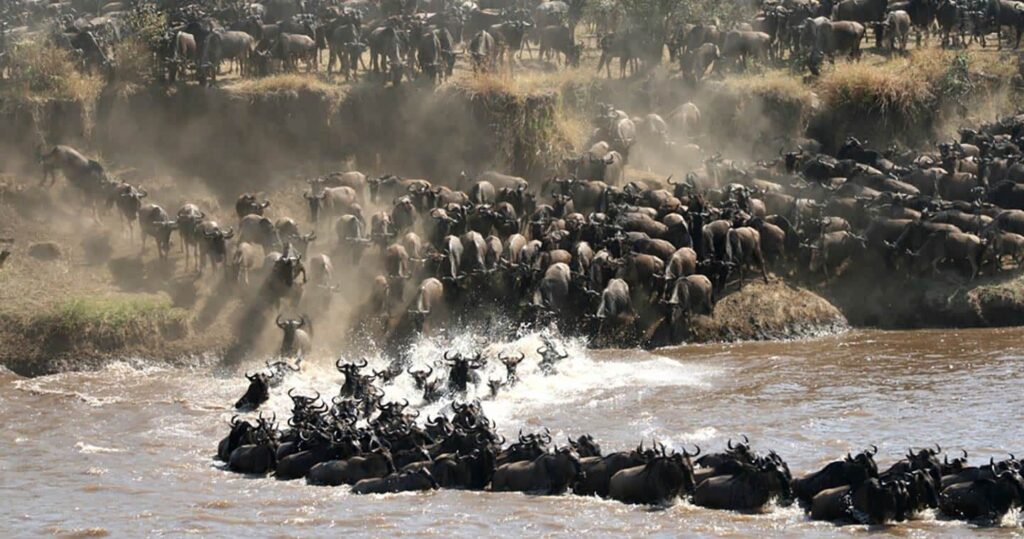
This period represents what most people consider the best time to go on safari in Kenya if witnessing the Great Migration tops their bucket list. The wildebeest herds cross from Tanzania’s Serengeti into the Masai Mara, creating the most dramatic wildlife spectacle on earth.
Wildlife Characteristics
- 1.5+ million wildebeest plus 300,000 zebras
- Dramatic Mara River crossings (highly unpredictable timing)
- Maximum predator activity as cats target migrating herds
- All Big Five visible with near-certainty
- Resident wildlife populations at peak visibility
Weather Conditions
- Minimal rainfall (10–40mm per month)
- Clear skies ideal for photography
- Cool mornings (12–15°C) warming to 25–28°C afternoons
- Excellent visibility due to shorter, drier grass
Key Considerations
- Highest accommodation prices (often 50–80% above low season)
- Maximum tourist numbers and vehicle congestion at popular sightings
- Book 6–8 months in advance for best properties
- Migration river crossings cannot be guaranteed to specific dates
2. Short Dry Season (January–February) — Calving Season
For those asking about the Masai Mara best time to go for predator action without migration crowds, January and February deliver exceptional value. While the migrating herds are in Tanzania’s southern Serengeti for the calving season, the Masai Mara’s resident wildlife provides outstanding game viewing.
Wildlife Characteristics
- All resident Big Five species highly visible
- Increased predator hunting activity — cats at peak condition
- Baby animals from various species beginning to appear
- Excellent cheetah sightings on open plains
- Lower vehicle density at sightings
- Moderate pricing — 20–30% below peak season
Weather Conditions
- Dry, warm conditions (minimal rainfall)
- Hot afternoons (can reach 30°C)
- Clear skies with excellent visibility
- Dusty roads in some sections
3. Long Rains (March–May) — Green Season
March through May is often overlooked when travelers consider the best time to visit Kenya safari, yet it offers compelling advantages for specific traveler types. This is the Masai Mara’s primary rainy season, transforming the landscape into a verdant paradise.
Wildlife Characteristics
- Resident wildlife only (migration herds in Tanzania)
- All major species present and visible
- Baby animals everywhere — birthing season for many species
- Exceptional bird watching (450+ migrant species present)
- Wildlife concentrated around permanent water sources
Weather Conditions
- Regular afternoon rains (usually 1–2 hours, then clearing)
- Dramatically beautiful landscapes — lush green, wildflowers
- Cooler temperatures (20–24°C)
- Spectacular cloud formations for photography
- Some murram roads become muddy
Pricing & Crowds
- Lowest prices of the year (40–60% below peak season)
- Very few tourists — often exclusive game viewing
- Significant accommodation discounts
- Some camps close for annual maintenance
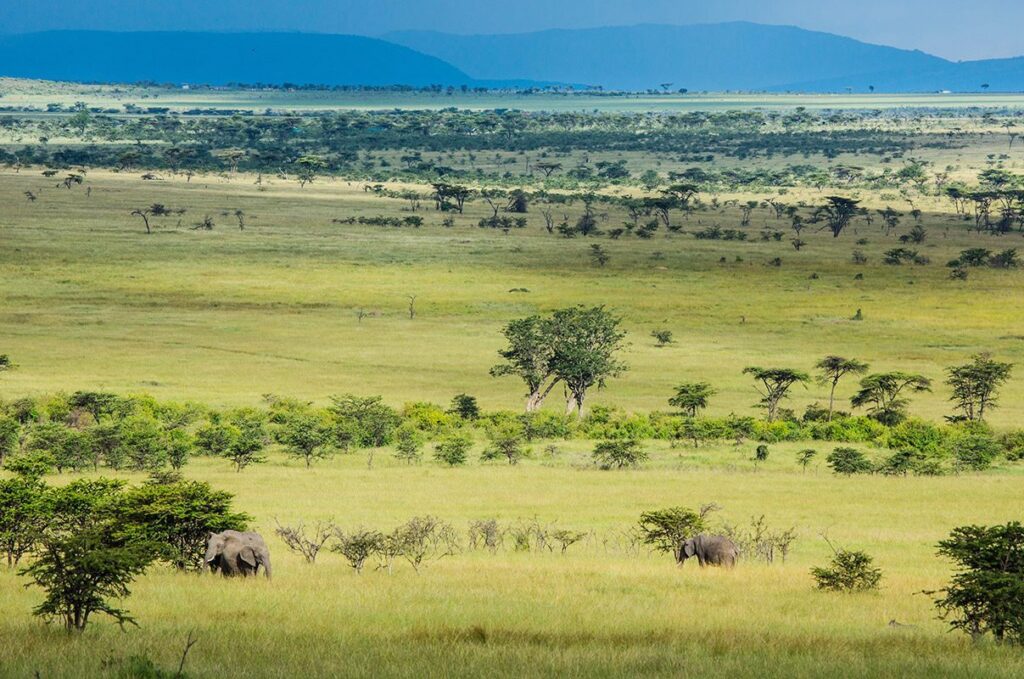
4. Short Rains (November–December) — Shoulder Season
November and December represent what many safari veterans consider the best time for safari in Kenya when weighing all factors. This shoulder season delivers excellent wildlife viewing, beautiful conditions, moderate pricing, and manageable tourist numbers.
Wildlife & Weather
- Migrating herds beginning to return to Tanzania
- All resident wildlife visible
- New calves and cubs appearing
- Excellent predator viewing
- Migratory birds arriving from Europe and Asia
- Brief afternoon showers — usually 30–60 minutes only
- Moderate pricing (30–40% below peak)
- Fewer tourists than peak season
January — Exceptional Value and Predator Action
January ranks among the best time to visit Masai Mara for travelers prioritizing predator sightings, uncrowded game viewing, and reasonable pricing. The migrating herds are in Tanzania, but the Masai Mara’s resident wildlife provides outstanding game drives. If you are researching the best time to visit Masai Mara for dry conditions and intense predator action, January consistently delivers outstanding results.
What to Expect
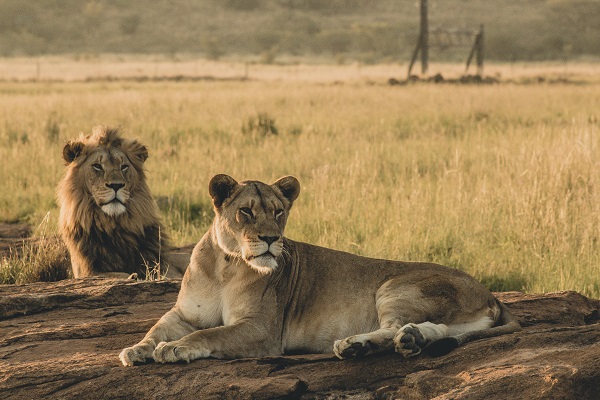
- Lions, leopards, and cheetahs at peak hunting condition after the festive season
- Large elephant herds moving between feeding areas
- Excellent cheetah sightings on open plains — coalition males particularly visible
- Baby impalas, gazelles, and other prey species beginning to appear
- Clear, dry conditions ideal for photography
“January is my personal favorite month. The cats are lean and hungry, which means high hunting activity. Without the migration herds, resident prey animals are more concentrated, and predators must work harder. This creates exceptional viewing opportunities with minimal vehicle congestion.”
— Lead Guide, Armani Tours and Travel, 11 years in Masai Mara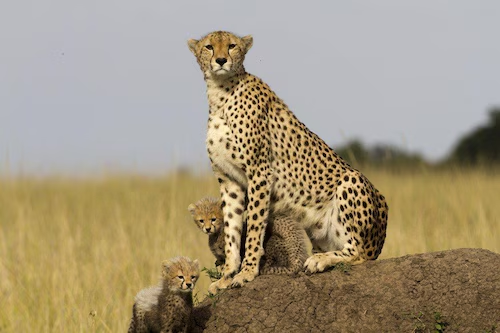
February — Peak Calving Season and Superb Game Viewing
February continues January’s excellent conditions while adding the bonus of increased baby animal sightings. Many consider this the best time to go on safari in Kenya for observing young wildlife. For families and photographers alike, February is one of the best time to visit Masai Mara windows available outside of migration season, delivering superb predator action and a parade of newborn animals.
What to Expect
- Wildebeest calving season in Tanzania’s Serengeti (late January–February)
- Masai Mara predators at peak activity levels
- Baby zebras, gazelles, and impalas visible throughout the reserve
- Excellent elephant viewing — large breeding herds
- Lion prides with cubs becoming more visible
- Leopard sightings remain excellent — 60–70% probability
- Buffalo herds gathering at permanent water sources
- Hippo viewing at its best — low water levels
March — The Beginning of Green Season
March marks the transition into the long rains, making it one of the most budget-friendly options when considering the best time to visit Masai Mara. While afternoon rains begin, wildlife viewing remains excellent with virtually no tourist crowds. Travelers asking about the best time to visit Masai Mara on a shoestring will find March very competitive, with significant accommodation savings and virtually private game drives on offer.
What to Expect
- Long rains typically begin mid-to-late March — dramatic landscape transformation as grasslands turn green
- All major wildlife species present — morning drives often rain-free with excellent sightings
- Exceptional bird watching begins — species count rising rapidly
- Significant price reductions — 40–50% below peak season
- Predators actively hunting as prey disperses across newly green plains
“March receives unfair criticism. Yes, it rains — but usually only in the afternoon. Morning drives are typically excellent, prices are incredibly low, and you’ll often have entire sections of the reserve to yourself. For photographers, the dramatic skies and green landscapes are spectacular.”
— Photography Safari Specialist, Armani Tours and TravelApril — Deep Green Season
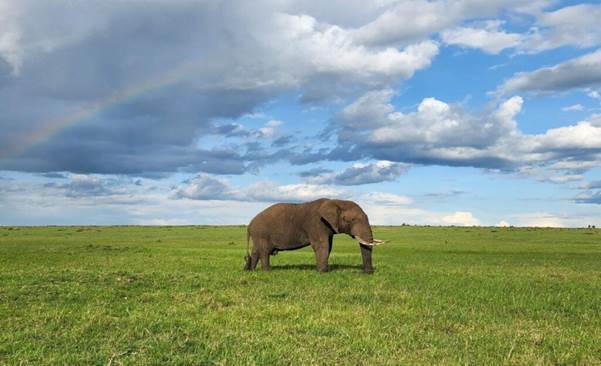
April represents the heart of the long rains and the best time to visit Kenya safari for travelers prioritizing extreme value, solitude, and lush landscapes over guaranteed perfect weather.
Why April Is a Legitimate Best Time to Visit Masai Mara for Budget Travelers
- Pricing 50–60% below peak season — deepest discounts of the year
- Private game drives with no other vehicles common
- Dramatic photographic opportunities — storm clouds, rainbows, green landscapes
- Peak breeding season — baby animals everywhere
- Outstanding birding — 400+ species present
- All major species present — morning drives often productive
May — End of Long Rains
May represents the final month of the long rains, and conditions begin improving toward month-end. This is an underrated option when considering the Masai Mara best time to go for value seekers with flexible dates. Late May in particular surprises many visitors who discover the best time to visit Masai Mara for budget safaris does not always mean compromised wildlife experiences — the reserve is lush, uncrowded, and full of life.
Wildlife Highlights
- All Big Five present
- Young animals now mobile and highly visible
- Predators with cubs and young more active
- Excellent elephant viewing
- Outstanding bird watching continues
- Late May: excellent conditions at low-season prices
June — Excellent Value as Peak Season Approaches
June is one of the most underrated months when determining the best time to visit Masai Mara. The rains have ended, conditions are excellent, but peak season pricing and crowds haven’t yet arrived. Migrating herds often begin arriving late June.
Strategic Advantages
- Dry conditions returning — landscapes still green and beautiful
- First migration scouts arriving toward month-end — without the peak-season crowds
- Moderate pricing — 20–30% below peak season. Book 1–2 months in advance
- All resident wildlife highly visible as grass shortens — excellent predator sightings
- Morning temperatures cool and comfortable — river viewing becoming more concentrated
“June is our insider recommendation. You get 80–90% of peak season’s wildlife viewing at 60–70% of the cost, with maybe 40% of the tourist traffic. It’s the sweet spot many travelers miss.”
— Operations Manager, Armani Tours and TravelJune consistently ranks as one of the best time to visit Masai Mara periods recommended by our operations team to travelers who want a well-rounded experience without committing to peak-season budgets. If you can only travel once and want high-quality game viewing with manageable costs, June is hard to beat.
July — The Great Migration Arrives
July marks the beginning of what most consider the best time to go on safari in Kenya for the ultimate bucket-list experience. The Great Migration herds cross from Tanzania into the Masai Mara in massive waves.
The Wildlife Spectacle
- 1.5+ million wildebeest entering the reserve
- First dramatic Mara River crossings begin
- All Big Five at maximum visibility
- Predators — lions, leopards, cheetahs, hyenas — in hunting frenzy
- Crocodile predation spectacles at crossing points
- Peak photography conditions — highest prices and tourist numbers of the year
August — Peak Migration Month
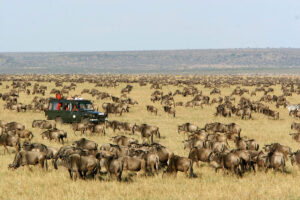
August represents the absolute peak of migration season and what many define as the best time for safari in Kenya despite the crowds and cost. Maximum migration concentration means multiple river crossings possible daily. For first-time visitors, August is arguably the best time to visit Masai Mara if the Great Migration is the singular priority, with the widest selection of camps operating at full capacity and the highest wildlife density of the year.
Wildlife at Peak Intensity
- 1.5 million wildebeest plus 300,000+ zebras throughout the reserve
- Lions gorging on easy migration prey
- Cheetah coalitions actively hunting on plains
- Leopards with kills regularly seen in trees
- Spectacular crocodile predation events
- Dust clouds from moving herds — golden hour lighting exceptional
September — Migration Continues with Slightly Fewer Crowds
September maintains August’s spectacular wildlife conditions while offering marginally fewer tourists. Herds are dispersed across wider areas of the reserve, and some tourists depart as school holidays end. Many seasoned travelers argue September is actually the best time to visit Masai Mara within the peak window because the combination of high wildlife density and slightly easier logistics — from accommodation availability to vehicle positioning at crossings — is hard to beat.
September Advantages
- Migration herds still dominating the landscape
- River crossings continuing at high frequency
- Slightly improved accommodation availability vs August
- River crossings often less crowded mid-week
- Book 4–6 months ahead — slightly easier than July–August
- Some promotional rates emerge late September
October — Final Migration Window
October represents the final opportunity to witness the Great Migration before herds return to Tanzania, making it the last chance for those seeking the best time to go to Masai Mara for migration viewing. Early October is consistently cited as the best time to visit Masai Mara for travelers who want migration access at slightly lower prices than the August peak, with noticeably fewer vehicles at crossing points.
October Wildlife Transition
- Early October: Still excellent migration viewing — river crossings continuing
- Mid-October: Herds starting to disperse southward — crossing frequency decreasing
- Late October: Most migration herds departed — resident wildlife dominant and excellent
- Short rains typically begin late October — usually brief afternoon showers only
- Tourist numbers declining — better vehicle positioning at remaining sightings

November — Shoulder Season Sweet Spot
November is an outstanding choice when weighing all factors for the best time to visit Kenya safari. Excellent wildlife at moderate prices with very few tourists — 60–70% of peak season’s wildlife at 50–60% of the cost. For post-migration travel, November stands out as the best time to visit Masai Mara if you want resident wildlife action, good weather, and genuine value simultaneously.
November Advantages
- Excellent predator viewing — cats refocusing on resident prey
- Baby animals appearing — many species birth after rains
- Superb bird watching — European migrants arriving
- Uncrowded game drives — better vehicle positioning
- Excellent elephant viewing
- 30–40% below peak season pricing — good accommodation availability
December — Holiday Season Safari
December brings festive season travelers, making it busier than November but still far below July–October levels. Beautiful green landscapes and festive atmosphere at camps. For families traveling over the school holidays, December is a very appealing best time to visit Masai Mara option that blends reliable wildlife sightings with the unique atmosphere of a bush Christmas celebration.
December Wildlife & Practical Notes
- Excellent wildlife across all major species
- Baby animals increasingly visible
- Outstanding birding continues
- Good predator activity throughout
- Book 4–5 months ahead for Christmas/New Year dates
- Higher prices during Christmas week and New Year
Comparing the Best Time to Visit Masai Mara by Priority
The table below distils our field experience into a practical summary of the best time to visit Masai Mara for each traveller type. Use it as your starting point, then read the relevant monthly section for deeper detail on the conditions you can expect.
Best For Migration
July–September
Runner-Up: Late June or Early October — migration arrivals/departures with fewer crowds and lower cost.
Best For Budget
March–May
Runner-Up: November — excellent value with better weather than green season.
Best For Photography
July–October
Runner-Up: January–February — clear conditions, fewer tourists, superb predator subjects.
Best — Fewest Crowds
April–May
Runner-Up: November — post-migration, pre-holiday period with very manageable crowds.
Best For Families
December–January
School holidays suit both windows. December–January offers better value than July–August peak.
Best Overall Value
June & November
Both deliver excellent wildlife, good weather, moderate pricing, and manageable crowds.
Climate and Weather Patterns — What to Expect When You Visit
Understanding temperature patterns is a crucial part of determining the best time to visit Masai Mara for your comfort preferences. Climate data is one of the most-searched factors when travelers research the best time to visit Masai Mara, and the table below gives you the complete picture. The reserve sits at 1,500–2,000m elevation, creating moderate temperatures year-round but with significant morning-to-afternoon variation.
| Month | Morning Low | Afternoon High | Rainfall (mm) | Season |
|---|---|---|---|---|
| January | 12°C | 28°C | 35mm | Dry |
| February | 13°C | 30°C | 45mm | Dry |
| March | 14°C | 28°C | 95mm | Long Rains Begin |
| April | 15°C | 26°C | 175mm | Peak Long Rains |
| May | 14°C | 25°C | 140mm | Long Rains Easing |
| June | 12°C | 26°C | 55mm | Dry |
| July | 11°C | 26°C | 45mm | Dry — Coldest mornings |
| August | 11°C | 27°C | 50mm | Dry |
| September | 12°C | 28°C | 45mm | Dry |
| October | 13°C | 27°C | 65mm | Dry–Short Rains Beginning |
| November | 14°C | 26°C | 120mm | Short Rains |
| December | 13°C | 27°C | 90mm | Short Rains |
Data compiled from Kenya Meteorological Department and Armani Tours and Travel field records
Packing Implications
- Always bring warm layers for early morning drives — year-round
- July–August can be surprisingly cold at dawn — 10–12°C
- Rain gear essential March–May; advisable November–December
- Sun protection critical year-round at equatorial altitude
Understanding Rainfall Patterns
Dry Seasons: January–February (completely dry) and June–October (minimal rainfall). Wet Seasons: March–May (Long Rains — significant afternoon rains) and November–December (Short Rains — brief showers).
Pros and Cons of Each Season
Peak Season (July–October)
✅ Pros
- Great Migration spectacle
- Maximum wildlife concentration
- Excellent weather conditions
- Best photography lighting
- Highest probability of all Big Five sightings
❌ Cons
- Highest prices — 50–80% premium
- Heavy tourist traffic
- Vehicle congestion at popular sightings
- Must book 6–8 months ahead
- River crossings still not guaranteed daily
Shoulder Season (January–February, June, November)
✅ Pros
- Excellent wildlife viewing
- Good weather
- Moderate pricing — 20–40% below peak
- Fewer tourists — better vehicle positioning
- Good accommodation availability
❌ Cons
- No migration (except June when herds arriving)
- Not the absolute cheapest option
- January–February can be very hot (30°C+)
Green Season (March–May)
✅ Pros
- Lowest prices — 40–60% savings
- Virtually no crowds — private game viewing
- Stunning lush landscapes
- Exceptional birding — 400+ species
- Baby animals everywhere
❌ Cons
- Regular afternoon rains
- Some roads muddy
- Wildlife more dispersed
- Some camps closed for maintenance
- Cloudy conditions can impact photography
Expert Recommendations — Matching Your Priorities to the Best Time
First-Time Safari Visitor
Recommended Months: July–September. Choosing the best time to visit Masai Mara for your first African safari means July–September. No other window matches July–September as the best time to visit Masai Mara for sheer spectacle and wildlife density when you are experiencing the reserve for the very first time. The migration spectacle, maximum wildlife, and excellent weather justify the premium cost and crowds. Book early and consider 4–5 days to maximize river crossing chances.
Budget-Conscious Traveler
Recommended Months: April–May, November. The best time to visit Masai Mara on a budget is April–May, and this recommendation comes up every single time a cost-conscious traveler asks our team about the best time to visit Masai Mara without paying peak rates. November provides better conditions at moderate savings — the best balance for value travelers.
Wildlife Photographer
Recommended Months: January–February, July–September. The best time to visit Masai Mara for photography offers two distinct windows: January–February for predator action with clear skies and fewer tourists, or July–September for migration drama despite vehicle congestion.
“As a professional wildlife photographer, I schedule two Masai Mara trips annually — February for predator photography with space to work, and August for migration despite the challenges. Both deliver portfolio-worthy images.”
— Professional Wildlife Photographer, 8+ Masai Mara visits with Armani Tours and TravelReturn Visitor
Recommended Months: April–June, November–December. If you’ve already experienced peak migration, explore the reserve’s different seasonal personalities. Green season offers completely different landscapes, lighting, and wildlife behaviors.
Birding Enthusiast
Recommended Months: November–April. The best time to visit Masai Mara for birding is November–April, when Palearctic migrants arrive and swell species counts dramatically. April–May offers the lushest landscapes and most active breeding behavior with 400+ species present.
Booking Strategies and Price Comparison Across the Year
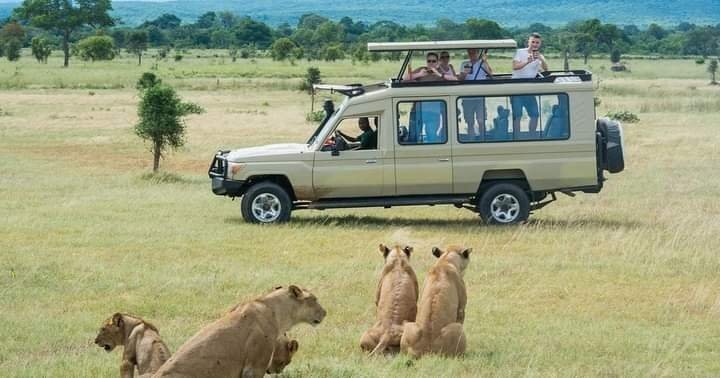
How Far in Advance to Book
| Season | Months | Luxury Camps | Mid-Range | Budget |
|---|---|---|---|---|
| Peak Season | July–October | 8–12 months ahead | 6–8 months ahead | 3–4 months minimum |
| Shoulder Season | Jan–Feb, Jun, Nov–Dec | 4–6 months ahead | 2–3 months ahead | 1–2 months usually sufficient |
| Green Season | March–May | 1–2 months usually adequate | 1–2 months | Last-minute often possible |
Sample 3-Day Safari Pricing by Month
Understanding pricing patterns helps you maximize value when determining the best time to visit Masai Mara. These are approximate averages — actual pricing varies by camp category and specific dates.
| Month / Season | Price Index vs Peak | Budget (3-day) | Mid-Range (3-day) | Luxury (3-day) |
|---|---|---|---|---|
| January–February | 65–75% of peak | $490–$680 pp | $850–$1,200 pp | $1,680–$2,650 pp |
| March–May | 40–60% of peak | $380–$580 pp | $640–$980 pp | $1,260–$2,100 pp |
| June | 70–80% of peak | $490–$680 pp | $850–$1,200 pp | $1,680–$2,650 pp |
| July–October (Peak) | 100% | $650–$900 pp | $1,200–$1,650 pp | $2,400–$3,800+ pp |
| November | 60–70% of peak | $490–$680 pp | $850–$1,200 pp | $1,680–$2,650 pp |
| December | 75–85% of peak | $490–$680 pp | $850–$1,200 pp | $1,680–$2,650 pp |
*Prices include accommodation, meals, game drives, park fees, and Nairobi transfers. All per person (pp).
Combining Masai Mara with Other Kenya Destinations
The best time for safari in Kenya often involves combining multiple destinations. Armani Tours and Travel specializes in multi-park itineraries that maximize seasonal advantages across different ecosystems. When planning a multi-park trip, the best time to visit Masai Mara often aligns well with peak seasons at nearby parks, allowing you to build a seamless and highly rewarding circuit across Kenya’s finest wildlife areas.
Masai Mara + Amboseli
Best Combined Timing: July–September, January–February. Both parks excel during dry seasons. Amboseli’s elephant herds against Mount Kilimanjaro complement the Masai Mara’s Big Five perfectly.
Masai Mara + Lake Nakuru / Lake Naivasha
Best Combined Timing: November–April. Lake Nakuru’s flamingos and rhinos plus Lake Naivasha’s hippos and birds create excellent diversity alongside Masai Mara wildlife.
Masai Mara + Samburu
Best Combined Timing: January–March, July–September. Combine Masai Mara’s classic safari with Samburu’s unique species — Grevy’s zebra, reticulated giraffe, Somali ostrich, and gerenuk — found nowhere else in Kenya’s southern reserves.
5 Common Mistakes When Choosing Your Safari Timing
Mistake #1 — Assuming Peak Season Is the Only Good Option
Many travelers believe July–October is the only best time to visit Masai Mara. In reality, every month offers compelling advantages. Solution: Define what matters most — budget, crowds, migration, weather, photography — and match timing to priorities rather than following the crowd.
Mistake #2 — Dismissing Rainy Seasons Entirely
The term “rainy season” scares travelers unnecessarily. Rains are typically brief afternoon events, not all-day downpours. Solution: Consider April–May for dramatic savings with acceptable weather tradeoffs — morning drives are usually completely dry even during peak rainy months.
Mistake #3 — Booking Too Late for Peak Season
If your preferred best time to visit Masai Mara is July–October, premium accommodation sells out 6–8 months ahead. Solution: Book peak season travel early, be flexible with accommodation standards, or choose shoulder season for easier booking.
Mistake #4 — Expecting Guaranteed River Crossings
No operator can guarantee river crossings on specific dates. Solution: Budget 4–5 days during July–September for best crossing chances (~70–80% probability), or visit shoulder seasons for excellent wildlife without migration dependency.
Mistake #5 — Ignoring Shoulder Seasons
June and November are the best time to visit Masai Mara for overall value — excellent wildlife, good weather, moderate pricing, fewer tourists. Solution: Consider these “sweet spot” months. When you ask experienced safari travelers what they now believe is the best time to visit Masai Mara after multiple trips, the most common answer is June or November — not peak season.
💰 Get Your Personalised Quote for Any Month
Flexible dates? Ask about last-minute deals and shoulder season specials. All seasons available — budget to luxury options, 10+ years experience, transparent pricing, and 24/7 support.
📧 info@armanitoursandtravel.com | 📞 +254 722534853
Final Recommendations — Making Your Decision
🎯 Match Your Profile to the Perfect Month
Every Season Has Its Magic
The best time to visit Masai Mara ultimately depends on what you value most from your safari experience. There is no objectively “wrong” time to visit — each season delivers distinct advantages that appeal to different priorities.
If witnessing the Great Migration tops your bucket list, July through September is the best time to visit Masai Mara — and understanding why it is the best time to visit Masai Mara for migration helps you appreciate the trade-offs around cost and crowds despite requiring advance booking and patience.
For those prioritizing value, April–May offers the same wildlife species at 40–60% savings. Shoulder seasons like June and November deliver what many veterans consider the optimal balance — excellent wildlife, good weather, moderate pricing, and manageable tourist numbers.
At Armani Tours and Travel, our decade of experience guiding thousands of travelers through the Masai Mara across all twelve months has taught us one fundamental truth: every client who books with us, regardless of season, returns home having experienced something extraordinary.
The Masai Mara does not have “bad” months — only different personalities that reveal themselves across the year. Whatever your travel style, there is a genuinely compelling best time to visit Masai Mara waiting for you.
The best time to go on safari in Kenya is the time that aligns with your priorities, fits your schedule, and matches your budget. We invite you to contact our safari planning experts who will help match your specific needs to the perfect travel window. The best time to visit Kenya safari is now — start planning today.
Frequently Asked Questions — Best Time to Visit Masai Mara
The best time to visit Masai Mara depends on your priorities. This is the single most common question our team receives, and the honest answer is that the best time to visit Masai Mara shifts depending on whether you prioritise migration, budget, weather, or solitude. July–September offers the Great Migration spectacle with dramatic river crossings but comes with peak pricing and crowds.
January–February delivers excellent predator viewing, clear weather, and good value. June and November provide outstanding overall balance with excellent wildlife, good conditions, moderate pricing, and fewer tourists. April–May offers the lowest prices (40–60% savings) with acceptable weather tradeoffs. The Masai Mara provides rewarding wildlife experiences year-round — the “best” time is whichever month aligns with your specific priorities, budget, and schedule.
The Great Migration reaches the Masai Mara during July–October. Herds typically begin arriving in late June–early July, peak concentration occurs in August, and most animals start returning to Tanzania in October. River crossings occur throughout this period but timing is completely unpredictable. A 3–4 day safari during July–September provides approximately 70–80% probability of witnessing at least one crossing. Book 6–8 months in advance minimum — premium camps sell out by February–March.
April and May represent the best time for safari in Kenya for budget travelers, with accommodation prices 40–60% below peak season rates. March also offers significant savings (40–50% discounts). These months coincide with the long rains, meaning regular afternoon showers, but morning game drives are typically excellent and all major wildlife species remain present. November provides a good balance for budget-conscious travelers seeking lower prices (30–40% below peak) without the rainfall considerations of green season.
Absolutely. The Masai Mara’s resident wildlife populations provide exceptional game viewing year-round regardless of migration. The reserve supports 400–500 lions, 200+ leopards, 200+ cheetahs, 2,000+ elephants, massive buffalo herds, and all other major species throughout the entire year.
January–February often delivers superior predator sightings compared to migration months because resident prey is more concentrated. Many safari veterans prefer non-migration periods for better vehicle positioning, uncrowded sightings, lower costs, and the ability to focus on predator behavior.
The Masai Mara has two dry seasons and two wet seasons. Dry seasons: January–February (hot, completely dry, 28–30°C days) and June–October (cool mornings 11–13°C, warm days 26–28°C, minimal rain). Wet seasons: March–May (long rains, regular afternoon showers) and November–December (short rains, brief showers). Temperatures remain moderate year-round due to equatorial location and 1,500–2,000m elevation. Even during wet seasons, rains are typically afternoon events lasting 1–3 hours, not all-day downpours.
July–September, particularly August, represents peak tourist season. During major river crossings, 15–30 vehicles may gather at popular crossing points. However, the reserve spans 1,510 square kilometres — outside crossing events, game viewing remains excellent with manageable vehicle numbers. Staying in private conservancies (Mara North, Olare Motorogi, or Naboisho) provides exclusive access with strict vehicle limits and fewer tourists. Visiting June or late September offers migration wildlife with significantly fewer crowds.
Yes. All Big Five species — lion, leopard, elephant, buffalo, and black rhino — are resident in the Masai Mara year-round, making any month suitable if Big Five viewing is your priority. Sighting probabilities: lions 98%, elephants 95%, buffalo 92%, leopards 65–75%, rhinos 30–40%. Three-day safaris provide excellent probability of seeing four of the Big Five regardless of season.
July–September offers maximum wildlife action, clear skies, and excellent golden-hour lighting, though vehicle congestion can challenge positioning. January–February delivers outstanding predator photography with clear conditions, fewer tourists, and better vehicle placement. April–May provides dramatic storm clouds and green landscapes. Serious photographers often visit twice annually — once for peak migration action (July–September) and once for uncrowded predator photography (January–February).
June is an excellent and often underrated choice. The long rains have ended, landscapes remain beautifully green, tourist numbers are low, and pricing is 20–30% below peak season. Wildlife viewing is outstanding as all resident species are highly visible, and the first migration scouts often arrive late June. June represents the “sweet spot” many travelers miss — offering 80–90% of peak season’s wildlife at 60–70% of the cost with perhaps 40% of the tourist traffic.
No — “rainy season” is somewhat misleading in the Masai Mara context. The long rains (March–May) and short rains (November–December) typically produce afternoon showers lasting 1–3 hours, not all-day downpours or monsoon conditions. Morning game drives are usually completely dry even during peak rainy months.
The tradeoffs are balanced by significant advantages: 40–60% lower prices, virtually no tourists, dramatically beautiful lush landscapes, exceptional birding, and baby animals everywhere. If budget savings or uncrowded conditions matter most, rainy seasons are excellent choices.
🦁 Your Perfect Safari Awaits — Any Month, Any Budget
Don’t wait — the best dates fill up fast regardless of season. Free safari planning consultation with our expert team. All seasons available, budget to luxury options, flexible payment plans, and 24/7 support.
📧 info@armanitoursandtravel.com | 📞 +254 722534853 | ✅ Free Consultation | ✅ 10+ Years Experience
