

When travelers around the world dream of Africa, one name often rises above all others—Tanzania Safari. This land is more than just a destination; it is a living masterpiece painted with the colors of endless savannahs, towering volcanic peaks, vast lakes, and pristine coastlines kissed by the turquoise waters of the Indian Ocean. From the sweeping plains of the Serengeti National Park, where golden grasslands stretch beyond the horizon, to the breathtaking geological wonder of the Ngorongoro Crater, Tanzania invites adventurers, nature lovers, photographers, and families to embark on a journey that feels like stepping into a different world.
A Tanzania safari is not just about ticking wildlife sightings off a list—it’s about being part of a timeless story that unfolds each day in the African wilderness. Imagine waking up at dawn, the cool air scented with acacia trees, and the first rays of sunlight breaking over the horizon. You climb into your safari vehicle, and within minutes, the landscape begins to come alive. Towering giraffes stride gracefully against the skyline, herds of elephants march with quiet determination, and lions bask lazily on rocky outcrops, all while colorful birds flit across the sky. Each moment is a reminder that this is one of the last remaining places on Earth where nature still reigns supreme.
At the heart of this experience lies the Wildebeest Migration, often called “the greatest show on Earth.” Every year, more than two million wildebeest, zebras, and gazelles embark on a perilous journey across the Serengeti and into Kenya’s Maasai Mara, driven by the eternal search for fresh grazing lands. To witness this migration is to watch the raw power of survival, a rhythm that has repeated for millennia. You’ll hold your breath as wildebeests gather at riverbanks, their instinct urging them to cross despite the lurking crocodiles. It’s a spectacle of courage, tragedy, and triumph—a natural drama that makes Tanzania the ultimate safari destination.
But Tanzania is not only about wildlife; it is about the luxury safari in Tanzania experience that combines adventure with comfort. Picture yourself in an elegant tented camp under the African night sky, where lanterns flicker softly and the sounds of the wild lull you to sleep. Or perhaps you prefer a world-class lodge perched on the rim of the Ngorongoro Crater, offering panoramic views of one of the most extraordinary landscapes on Earth. Whether you choose rustic charm or high-end indulgence, every stay connects you deeply with the environment while offering the comforts that make your journey unforgettable.
Beyond the wildlife, Tanzania is also a land of people, culture, and history. Meeting the Maasai people in their traditional villages, learning about their deep connection to the land, and experiencing their songs and dances creates memories that last a lifetime. Add to this the historical richness of Zanzibar with its spice markets and Swahili heritage, and you realize that Tanzania is not just a safari—it’s a complete immersion into Africa’s soul.
The allure of a Tanzania safari also lies in its variety. Adventurers can hike the majestic Mount Kilimanjaro, the highest peak in Africa, standing tall and proud over the plains. Bird lovers can discover over 1,000 species, from flamingos painting Lake Manyara pink to fish eagles soaring over Tarangire’s baobab-dotted landscapes. Families can enjoy safe, guided adventures that combine fun, learning, and relaxation. Honeymooners can indulge in romantic escapes, from candlelit dinners in the bush to barefoot luxury on Zanzibar’s beaches. No matter what kind of traveler you are, Tanzania embraces you with open arms.
As you stand in the Serengeti and watch the sun set, the sky ignites with fiery reds, soft oranges, and deep purples. The silhouettes of acacia trees stretch across the horizon, and you suddenly understand why explorers, poets, and dreamers have always been drawn to this land. A safari in Tanzania is not just a holiday—it’s a transformative journey. It changes the way you see the world, making you more connected to nature, more appreciative of life’s fleeting beauty, and more grateful for the privilege of witnessing it all firsthand.
So whether you’re planning your very first safari, searching for the thrill of the Wildebeest Migration, longing to stand on the rim of the Ngorongoro Crater, or dreaming of a luxury safari in Tanzania, one thing is certain: this country promises to deliver moments that will stay with you forever. From the beating heart of the Serengeti to the tranquil shores of Zanzibar, Tanzania calls you not just to visit, but to feel, to live, and to remember.
In the pages ahead, we will guide you through everything you need to know about a Tanzania safari—the best times to visit, the wildlife you’ll encounter, the activities you can enjoy, and the cultural experiences that enrich your journey. With Armani Tours and Travel, your dream of exploring Tanzania’s wilderness is not just possible, but crafted into an unforgettable story. Because Tanzania is not just a destination—it’s where Africa’s wild heart beats strongest, waiting for you to answer its call.
Best Time to Go on a Safari in Tanzania
Tanzania is one of Africa’s crown jewels when it comes to unforgettable safari adventures. With world-renowned national parks, an abundance of wildlife, and breathtaking scenery, a Tanzania safari offers experiences that rank among the very best in the world. However, when planning a safari in Tanzania, timing is everything. The season you choose not only determines what wildlife encounters you’ll have, but also affects the landscapes you’ll see, the number of tourists around you, and even the type of Tanzania safari packages that are available.
Unlike some destinations where there’s only one clear “best” travel season, safaris in Tanzania are rewarding all year round. The country’s diverse ecosystems—from the Serengeti’s rolling plains to the lush Ngorongoro Crater and the remote Selous Game Reserve—transform beautifully with the seasons. Each period brings a unique experience, and choosing the right time depends on your interests, whether that’s witnessing the Great Migration, birdwatching, photography, or seeking quieter and more affordable Africa safari packages.
Let’s explore Tanzania’s safari seasons in depth, examining the highlights, challenges, and hidden gems of each.
June to October (Dry Season – Peak Safari in Tanzania)
If you’ve been dreaming of a Tanzania safari filled with dramatic wildlife encounters, crystal-clear skies, and classic game drives, June to October is often considered the ultimate window. This is Tanzania’s dry season, and for many, it represents the perfect conditions for a safari.
During this period, water sources such as rivers, lakes, and watering holes become the lifeline of the savannah. As the grass dries up and rivers shrink, animals congregate in massive numbers, creating scenes straight out of a National Geographic documentary. Lions, leopards, elephants, giraffes, zebras, and antelopes can all be seen in abundance. The reduced vegetation also makes wildlife spotting easier, as animals are less likely to remain hidden in tall grass or dense foliage.
Most notably, this season coincides with the most dramatic stage of the Great Wildebeest Migration—the iconic river crossings. In the Serengeti and along the Mara River, hundreds of thousands of wildebeests and zebras plunge into crocodile-filled waters, driven by instinct and survival. Witnessing this event is often the pinnacle of a safari in Tanzania, and many travelers time their journeys specifically around it.
The dry season also brings perfect weather conditions for travel. Days are warm and sunny, while evenings can be pleasantly cool. The lack of rain means roads are easier to navigate, camps are open, and the majority of Tanzania safari packages are designed around this season.
However, these advantages come with trade-offs. Because June to October is considered the peak safari season, you can expect higher prices, busier parks, and limited availability if you don’t book well in advance. For travelers seeking exclusivity or more budget-friendly Africa safari packages, alternative seasons may be more appealing.
November to March (Green Season – A Lush Safari in Tanzania)
While the dry season receives much of the spotlight, the period from November to March, often referred to as the Green Season, offers an equally magical side of safaris in Tanzania. This is when the rains return, transforming the dusty plains into vibrant green landscapes. Rivers and lakes refill, flowers bloom, and the savannah takes on a lush and photogenic quality. For photographers, this season is a dream come true, with dramatic skies, colorful sunsets, and vivid contrasts between wildlife and greenery.
One of the most remarkable spectacles during this time is the wildebeest calving season, which occurs primarily in January and February in the southern Serengeti and Ndutu area. Here, an estimated 500,000 wildebeest give birth within a few weeks. The sight of countless newborn calves finding their footing and joining massive herds is both heartwarming and awe-inspiring. However, it’s also dramatic, as predators like lions, cheetahs, and hyenas lie in wait, taking advantage of the vulnerable young. This predator-prey dynamic creates some of the most intense and thrilling game-viewing opportunities in the world.
The Green Season also attracts an extraordinary variety of birdlife. Migratory species arrive from Europe and Asia, making Tanzania a paradise for birdwatchers. Flamingos flock to the alkaline lakes of Manyara and Natron, while raptors soar across the open skies. If you’re combining your Tanzania safari packages with photography or birdwatching interests, this is the ideal season to visit.
Another key benefit of the Green Season is the reduced number of tourists. Compared to the dry season, parks are less crowded, meaning you can enjoy more intimate wildlife encounters and a sense of solitude in nature. Safari lodges and camps often offer discounted rates during this time, making it possible to access luxury accommodations or extended Africa safari packages at a more affordable price.
While rain is more common, it usually comes in short bursts rather than all-day downpours. Travel is still comfortable, and most safari activities continue without interruption. For adventurous travelers who don’t mind occasional showers, this season delivers exceptional rewards.
April to May (Long Rains – A Different Kind of Tanzania Safari)
The months of April and May mark Tanzania’s long rains, a season often overlooked by mainstream tourists but rich with its own set of advantages. Heavy rainfall during this period transforms the landscape into a lush paradise, with rivers and waterfalls flowing in full force. For photographers, this is one of the most visually striking times for a safari in Tanzania, as storm clouds create moody backdrops and the environment bursts with color.
Because it’s considered the low season, many safari lodges and camps close temporarily. However, those that remain open often offer heavily discounted rates, making this the most budget-friendly time for Tanzania safari packages. Travelers who don’t mind a little rain can enjoy high-end accommodations at a fraction of the cost.
Wildlife viewing can be more challenging during the long rains, as animals disperse across the abundant landscape. However, patient travelers will still be rewarded with incredible sightings, particularly in areas like the Ngorongoro Crater, where animals remain concentrated year-round. The absence of crowds also means you can enjoy almost private game drives—a rarity in more popular seasons.
For birdwatchers and photographers, this period offers unique opportunities. Migratory birds linger longer, and the skies, filled with dramatic lighting, produce unforgettable images. If you’re seeking a Tanzania safari experience that’s off the beaten track and budget-friendly, this could be the hidden gem you’ve been searching for.
Choosing the Right Season for Your Tanzania Safari
When deciding the best time to embark on safaris in Tanzania, the key lies in matching your personal preferences with seasonal highlights.
If your dream is to witness the Great Migration river crossings and enjoy optimal wildlife viewing, June to October is unbeatable.
If you want lush landscapes, calving season drama, and affordable Tanzania safari packages, November to March is ideal.
If you’re a budget-conscious traveler seeking tranquility and dramatic skies, April to May may surprise you.
Every season brings its own magic, which is why Africa safari packages often cater to different styles of travelers. Some packages focus on the Serengeti during the migration, while others highlight birdwatching in the Green Season or cultural tours paired with game drives during quieter months.
By planning strategically, you can design a safari in Tanzania that aligns perfectly with your goals, whether that’s luxury and exclusivity, affordability, photography, or simply connecting deeply with Africa’s wilderness.
A Tanzania safari is not just a vacation—it’s an immersion into some of the most spectacular ecosystems on Earth. From the raw intensity of the Great Migration to the peaceful beauty of bird-filled wetlands, every season in Tanzania tells a different story. Choosing the right time to travel allows you to experience the wildlife, landscapes, and atmosphere that most resonate with your travel dreams.
No matter when you go, safaris in Tanzania deliver unforgettable adventures that stay with you for a lifetime. With carefully chosen Tanzania safari packages and customizable Africa safari packages, you can embark on a journey that matches your budget, interests, and sense of wonder. The beauty of Tanzania is that there is never a wrong time to visit—only different kinds of magic waiting to be discovered.
Top Safari Destinations in Tanzania
A Tanzania safari is often described as a once-in-a-lifetime adventure, and for good reason. The country is blessed with some of the most famous wildlife destinations in the world, each offering unique landscapes, extraordinary wildlife, and unforgettable safari activities. Whether you’re dreaming of the Serengeti’s endless plains, the dramatic Ngorongoro Crater, or the remote wilderness of Ruaha, there is no shortage of options when planning your safari in Tanzania.
Below are the top destinations every traveler should consider when exploring Tanzania safari packages or broader Africa safari packages.
Serengeti National Park – The Crown Jewel of Tanzania Safaris

When most people imagine a safari in Tanzania, the Serengeti immediately comes to mind. This UNESCO World Heritage Site is home to one of the greatest natural spectacles on Earth: the Great Wildebeest Migration. Over two million wildebeest, zebras, and gazelles move across the savannas each year in search of greener pastures, creating scenes of raw beauty and survival.
The migration is best witnessed between June and October during the famous Mara River crossings, where wildebeest plunge into crocodile-infested waters. It’s dramatic, emotional, and one of the ultimate safari experiences in the world.
But the Serengeti isn’t just about the migration. It’s also home to Africa’s top predators—lions, cheetahs, leopards, hyenas—and countless grazing animals. For bird enthusiasts, over 500 bird species call the Serengeti home.
For travelers booking Tanzania safari packages, the Serengeti is usually the highlight, offering luxury tented camps, mobile migration camps, and even hot air balloon safaris.
Ngorongoro Crater – Africa’s Natural Amphitheater
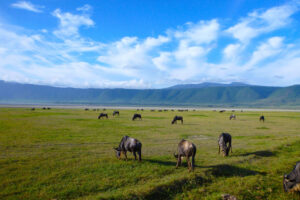 The Ngorongoro Crater is often referred to as the “Eighth Wonder of the World.” This massive volcanic caldera, measuring 20 kilometers wide and 600 meters deep, is a natural sanctuary for wildlife. Declared a UNESCO World Heritage Site, it is one of the most densely populated wildlife areas on the planet.
Within its walls, you’ll find the iconic Big Five—lions, leopards, elephants, rhinos, and buffalo—alongside zebras, wildebeests, hippos, and flamingos. Because the crater floor has permanent water and lush vegetation, wildlife remains here year-round, making it one of the most reliable destinations for game viewing during a safari in Tanzania.
For honeymooners or families choosing from Tanzania safari packages, the Ngorongoro Crater offers a compact but incredibly rewarding experience.
Tarangire National Park – The Land of Giants
 While often overshadowed by the Serengeti and Ngorongoro, Tarangire National Park is one of Tanzania’s hidden gems. Known for its towering baobab trees and massive elephant herds, Tarangire offers a quieter, more intimate safari experience.
During the dry season, thousands of animals gather around the Tarangire River, making it one of the best wildlife concentrations outside the Serengeti. Lions, leopards, giraffes, and antelope roam freely, while birdwatchers can spot over 450 bird species.
If you’re considering Africa safari packages that combine multiple parks, Tarangire is an excellent choice, especially for those who prefer fewer crowds.
Lake Manyara National Park – Tree-Climbing Lions & Flamingos
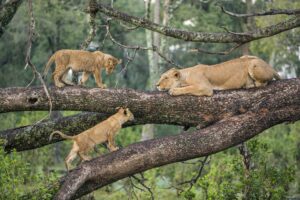
Famous for its tree-climbing lions, Lake Manyara National Park is a small but diverse gem that surprises many first-time visitors. Stretching along the base of the Rift Valley escarpment, it features groundwater forests, hot springs, and a soda lake teeming with pink flamingos.
The park is perfect for short game drives and is often included in Tanzania safari packages as part of the Northern Safari Circuit. In addition to lions and flamingos, you can spot hippos, elephants, and even baboons in large troops.
For birdwatchers, Lake Manyara is paradise, boasting more than 400 bird species. It’s a great add-on to a safari in Tanzania if you’re traveling to Ngorongoro or Serengeti.
Ruaha National Park – Tanzania’s Best-Kept Secret
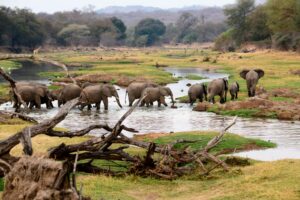 For those seeking raw, untamed wilderness, Ruaha National Park delivers. As Tanzania’s largest national park, it covers an incredible 20,000 square kilometers but remains relatively off the tourist radar.
Here, you’ll find one of the largest elephant populations in East Africa as well as thriving predator populations, including large prides of lions and elusive leopards. Because of its remote location, Ruaha offers an authentic, crowd-free safari experience that many seasoned travelers consider the best-kept secret of safaris in Tanzania.
Ruaha is ideal for adventurous travelers who want to go beyond standard Tanzania safari packages and embrace wilderness in its purest form.
Selous Game Reserve (Nyerere National Park) – Safari by Land and Water
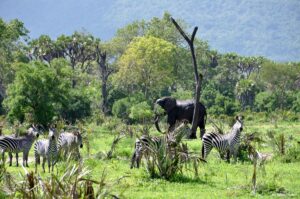 Now renamed Nyerere National Park, the Selous Game Reserve is one of the largest protected areas in Africa, covering over 30,000 square kilometers. Unlike other parks, Selous offers a variety of safari activities beyond the traditional game drive. Visitors can enjoy boat safaris along the Rufiji River, walking safaris with expert guides, and even fly camping under the stars.
It’s one of the few places where you can see hippos, crocodiles, elephants, and lions all in one boat ride. For travelers looking for diverse experiences, Selous adds unique depth to Africa safari packages.
Multi-Destination Safaris in Tanzania
While each park offers a unique experience, the best way to truly experience a Tanzania safari is through a multi-destination itinerary. By combining the Serengeti, Ngorongoro Crater, Tarangire, and Lake Manyara, you’ll experience the classic Northern Circuit, which is perfect for first-time visitors.
For seasoned travelers, combining Ruaha with Selous on the Southern Circuit offers a more rugged and exclusive safari. Many Tanzania safari packages also include a post-safari beach retreat in Zanzibar, allowing you to balance thrilling wildlife encounters with romantic relaxation by the Indian Ocean.
Each park in Tanzania tells a different story. The Serengeti showcases nature’s greatest drama, Ngorongoro offers a wildlife amphitheater, Tarangire surprises with its giants, Lake Manyara enchants with flamingos, Ruaha thrills with raw wilderness, and Selous captivates with its rivers and remote beauty.
When booking Tanzania safari packages or broader Africa safari packages, it’s wise to consider a combination of these destinations. Whether you’re after luxury lodges, adventure camping, or a Tanzania honeymoon safari, the country has something for everyone.
A safari in Tanzania isn’t just about wildlife—it’s about connection, culture, landscapes, and memories that last a lifetime.
Types of Safaris: Which One is Right for You?
One of the most exciting things about planning a Tanzania safari is that there’s no “one-size-fits-all” experience. Tanzania caters to adventurers, photographers, families, honeymooners, and luxury travelers alike. Depending on your travel style and personal interests, you can choose from a wide range of safari in Tanzania options that deliver unique experiences. Whether you’re drawn to the raw thrill of game drives, the intimacy of walking safaris, or the bird’s-eye wonder of balloon safaris, Tanzania ensures that every traveler finds their perfect match.
Below, we explore the different types of safaris in Tanzania to help you decide which option best fits your personality, budget, and dream wildlife experience.
1. Game Drive Safaris – The Classic Adventure
Game drives remain the most popular and widely chosen option for travelers booking Tanzania safari packages. Conducted in specially designed 4×4 vehicles with open rooftops, these safaris are perfect for exploring Tanzania’s iconic destinations such as the Serengeti National Park, Ngorongoro Crater, and Tarangire National Park.
A typical game drive allows you to cover vast savannas and diverse habitats, increasing your chances of spotting the Big Five (lion, leopard, elephant, buffalo, and rhino) along with giraffes, wildebeests, zebras, and cheetahs. For many travelers, this type of safari is the ultimate representation of an Africa safari package.
👉 Explore Serengeti Safari Tours with Armani Tours & Travel
👉 Tanzania National Parks Official Website
Best for: First-time safari-goers, families, and travelers seeking a traditional wildlife experience.
2. Walking Safaris – A Deeper Connection with Nature
If you’re looking for an up-close and personal safari in Tanzania, then walking safaris offer a thrilling perspective. Accompanied by highly trained guides and armed rangers, you’ll step away from vehicles and into the wilderness itself. These safaris allow you to notice smaller details often missed during game drives — such as animal tracks, medicinal plants, insects, and birdlife.
Walking safaris are especially popular in Selous Game Reserve (Nyerere National Park) and Ruaha National Park, where vast landscapes are teeming with elephants, antelopes, and unique ecosystems. Imagine quietly following footprints, hearing the rustle of wildlife nearby, and experiencing Tanzania’s bush the way early explorers did.
👉 Discover Multi-Day Tanzania Safari Packages
👉 National Geographic – Walking Safaris in Africa
Best for: Adventurers, photographers, and repeat safari travelers looking for something different.
3. Balloon Safaris – A Bird’s-Eye View of the Wild
Few experiences rival the magic of a balloon safari in Tanzania, especially in the Serengeti during the Great Migration. Imagine floating silently above golden savannas as the sunrise paints the sky, while herds of wildebeest and zebra stretch endlessly below. The perspective from above allows you to truly appreciate the scale of Tanzania’s wilderness and the interconnectedness of its wildlife.
After landing, most balloon safaris end with a champagne breakfast in the bush — an experience combining adventure, romance, and exclusivity. It’s one of the most sought-after highlights of luxury Africa safari packages.
👉 Great Migration Safari Packages – Armani Tours & Travel
👉 UNESCO World Heritage – Serengeti National Park
Best for: Couples, honeymooners, and travelers seeking a once-in-a-lifetime perspective.
4. Boat Safaris – Exploring Tanzania’s Rivers and Lakes
While game drives and walking safaris focus on land, boat safaris in Tanzania provide a refreshing twist. Conducted in destinations like the Selous Game Reserve or along Lake Victoria, these safaris allow you to see animals from a completely different angle.
From the water, you can glide past elephants quenching their thirst at the riverbanks, hippos wallowing in groups, and crocodiles sunbathing lazily. Birdwatchers will especially appreciate the abundance of storks, kingfishers, and fish eagles found in Tanzania’s wetlands.
This type of safari adds variety to your itinerary, especially when combined with classic game drives.
👉 Add a Selous Game Reserve Safari to Your Tanzania Itinerary
👉 BirdLife International – Tanzania Bird Species
Best for: Bird lovers, families with children, and travelers looking to diversify their safari experience.
5. Photographic Safaris – Capturing Tanzania’s Beauty
For photography enthusiasts, photographic safaris in Tanzania are designed to maximize your chances of capturing extraordinary moments. These trips often include professional wildlife photographers or guides trained to help you position for the best lighting and angles.
Specialized vehicles with open sides, beanbags for cameras, and extended hours in the parks ensure you don’t miss the perfect shot. From lions on the prowl at dawn to flocks of flamingos in Lake Manyara, these safaris turn your lens into a storytelling tool.
👉 Book Your Tanzania Photography Safari Today
👉 BBC Earth – Wildlife Photography in Africa
Best for: Photographers, influencers, and wildlife enthusiasts.
6. Luxury Fly-In Safaris – Comfort Meets Wilderness
For travelers short on time but unwilling to compromise on comfort, luxury fly-in safaris in Tanzania offer the perfect solution. Small aircraft whisk you between remote parks, luxurious lodges, and tented camps, allowing you to maximize your time in the wild.
This option is ideal for accessing destinations like Mahale Mountains National Park, famous for its chimpanzee tracking, or the remote corners of Ruaha and Katavi, where fewer tourists venture. Combining aerial views with high-end accommodation makes fly-in safaris one of the most premium Tanzania safari packages available.
👉 Luxury Safari Lodges in Tanzania – Armani Tours & Travel
👉 Luxury Travel Magazine – Africa’s Top Safari Experiences
Best for: Honeymooners, high-end travelers, and guests seeking exclusivity.
Choosing the Right Safari for You
When planning your safari in Tanzania, consider:
Your budget: Game drives are generally the most affordable, while fly-in and balloon safaris are more premium.
Your interests: Birdwatching, photography, family experiences, or luxury escapes each suit different safari styles.
Your travel companions: Families with children may prefer game drives and boat safaris, while couples may lean toward balloon rides and luxury fly-ins.
Your travel goals: Do you want to witness the Great Migration, track chimpanzees, or simply enjoy a relaxing wildlife retreat?
By mixing and matching safari styles, many travelers craft tailor-made itineraries that provide both thrill and relaxation. At Armani Tours & Travel, we specialize in designing customized Tanzania safari packages that suit your style, whether you’re booking a family holiday, romantic honeymoon, or part of broader Africa safari packages that include Kenya, Zanzibar, and beyond.
👉 Combine Tanzania Safaris with Zanzibar Beach Holidays
Essential Packing List for Your Tanzania Safari
When preparing for a Tanzania safari, what you pack can make or break your overall experience. Unlike a regular holiday, a safari in Tanzania requires a careful balance between practicality, comfort, and readiness for different climates. From the sweeping plains of the Serengeti to the lush Ngorongoro Crater, you’ll encounter varying weather conditions, diverse landscapes, and unique cultural experiences. Therefore, your packing strategy should be designed not just for comfort, but also for convenience, safety, and maximizing your enjoyment of Africa’s wild beauty.
While most Tanzania safari packages provide the essentials such as accommodation, meals, transport, and guided tours, the right gear and clothing will ensure that you stay protected, comfortable, and fully prepared for every adventure. Below is a comprehensive packing guide to help you plan, whether you’re heading on a luxury lodge safari, a camping safari, or a tailor-made Africa safari package combining Tanzania with Kenya, Uganda, or Zanzibar.
1. Clothing for Your Tanzania Safari
The right clothing will keep you cool during hot days, warm in chilly mornings, and protected from insects and the sun. For safaris in Tanzania, it’s best to pack neutral-colored clothing like beige, khaki, or olive green. Bright colors can attract insects, while dark tones like black and navy tend to absorb heat.
Lightweight Shirts & Trousers: Opt for breathable cotton or moisture-wicking fabrics. Long sleeves are excellent for sun protection and keeping mosquitoes at bay.
Warm Layers: Mornings on game drives can be surprisingly cold, especially in areas like the Ngorongoro Highlands. A fleece or light jacket is a must.
Safari Hat & Scarf: A wide-brimmed hat offers shade, while a lightweight scarf can protect you from dust during open-vehicle drives.
Swimwear: Many lodges and tented camps in Tanzania come with pools, perfect for a refreshing dip after a day in the bush.
2. Footwear – Comfort for All Terrains
Your safari adventure will involve a lot of movement, from walking safaris in Tarangire to exploring villages in cultural tours. Pack:
Sturdy Walking Shoes or Boots: Essential for bush walks, crater hikes, or even just navigating campgrounds.
Lightweight Sandals or Flip-Flops: Perfect for downtime at the lodge or beach extensions in Zanzibar.
Socks: Breathable cotton socks to prevent blisters during long days.
3. Safari Gear & Tech Essentials
To capture the best moments on your Tanzania safari, the right gear is vital. Wildlife encounters often happen in fleeting seconds, so being prepared is key.
Binoculars: A must-have for spotting distant wildlife like cheetahs or birds.
Camera with Zoom Lens: A DSLR or mirrorless camera ensures you capture high-quality photos. Don’t forget extra memory cards and batteries.
Power Bank / Solar Charger: Many camps have limited charging outlets, so portable power sources are lifesavers.
Travel Adapter: Tanzania uses UK-style plugs (Type G).
Daypack: For carrying snacks, water, and gear during excursions.
4. Health & Safety Essentials
Your health and safety come first on any safari in Tanzania. While most lodges are safe and well-equipped, carrying a few personal items can make your trip more comfortable:
Insect Repellent with DEET: Crucial for protection against mosquitoes, especially in malaria-prone zones.
Sunscreen & Sunglasses: The African sun can be harsh, even on cloudy days.
Personal Medication & First-Aid Kit: Carry enough prescribed medication, plus basics like painkillers and antihistamines.
Hand Sanitizer & Wet Wipes: Useful during game drives where facilities may be limited.
5. Travel Essentials & Comfort Items
Finally, don’t forget the travel documents and little extras that make a safari stress-free and memorable:
Passport & Travel Insurance: Non-negotiable for international travelers. Always carry a copy of your documents.
Reusable Water Bottle: Staying hydrated is key, especially on long game drives.
Travel Journal: Safaris in Tanzania are full of once-in-a-lifetime experiences worth recording.
Cash (USD / TZS): Some local markets, villages, or tips may require cash.
Entertainment: A Kindle or light novel is great for downtime between drives.
Final Safari Packing Tips
When booking with experienced operators like Armani Tours and Travel, you’ll receive personalized packing recommendations tailored to your chosen Tanzania safari packages. Always remember to pack light — most domestic flights between parks have strict baggage weight limits. Layering clothes, using soft duffel bags instead of hard suitcases, and prioritizing comfort over style will make your trip much easier.
By packing smart, you’ll ensure that your safari in Tanzania is stress-free, memorable, and fully immersive — whether you’re tracking the Great Migration in Serengeti, exploring Tarangire’s elephant herds, or relaxing on Zanzibar’s beaches after your safari.
Wildlife You Can Expect to See in Tanzania
Tanzania is one of the most rewarding destinations in Africa for wildlife lovers. If you dream of an authentic safari in Tanzania, this East African gem offers unmatched opportunities to witness diverse animals in their natural habitats. Whether you’re drawn by the legendary Serengeti, the dramatic Ngorongoro Crater, or the elephant-rich plains of Tarangire, safaris in Tanzania deliver unforgettable moments. From the Big Five to rare bird species and the world-famous Great Migration, every game drive feels like a living documentary of African wildlife.
The Big Five – Tanzania’s Crown Jewels of Wildlife
No Tanzania safari feels complete without spotting the Big Five: lions, elephants, leopards, buffalo, and rhinos. These animals are symbols of Africa’s wild beauty and have made Tanzania one of the top safari destinations in the world.
Lions: The Serengeti is often called “the Kingdom of Lions” thanks to its large population. Here, you’ll see prides lounging in the grasslands or stalking prey during the cool mornings.
Elephants: Head to Tarangire National Park, where vast herds roam in the hundreds, especially during the dry season. Watching elephants gather around ancient baobab trees is a classic safari in Tanzania experience.
Leopards: These elusive cats prefer riverine forests and rocky outcrops. You’ll have your best chance in Serengeti and Ruaha National Park, which is famous for predator sightings.
Buffalo: Found in massive herds across Tanzania’s national parks, buffalos are both powerful and social creatures. They’re often seen near water sources, especially during early morning drives.
Rhinos: The endangered black rhino is a rare but rewarding sight. The Ngorongoro Crater remains one of the best places to spot them within Tanzania safari packages.
For many travelers booking Africa safari packages, seeing the Big Five is the ultimate highlight. Armani Tours and Travel’s Tanzania Safaris can provide customizable itineraries to maximize your chances of witnessing these majestic creatures
The Great Migration – Nature’s Most Spectacular Show
If there’s one event that makes safaris in Tanzania legendary, it’s the Great Migration. Every year, over 1.5 million wildebeests, along with hundreds of thousands of zebras and gazelles, undertake a circular journey across the Serengeti plains into Kenya’s Maasai Mara.
From January to March, the southern Serengeti becomes a birthing ground, with thousands of calves born daily—a breathtaking spectacle for wildlife photographers. By June and July, massive herds move northward, facing river crossings where crocodiles lie in wait. Watching wildebeests and zebras plunge into the Grumeti or Mara Rivers is an adrenaline-filled experience that defines a true Tanzania safari.
If your Africa safari packages align with the migration calendar, you’ll witness one of nature’s greatest dramas unfolding right before your eyes. External sources like the Serengeti National Park official site provide migration updates to help travelers plan effectively.
Birdlife in Tanzania – A Birder’s Paradise
With over 1,100 bird species, Tanzania is a paradise for birdwatchers. Whether you’re an amateur or an experienced birder, a safari in Tanzania guarantees delightful sightings:
Flamingos: The alkaline lakes of Manyara and Natron turn pink with thousands of flamingos, creating surreal landscapes.
Raptors: Eagles, falcons, and hawks soar over the Serengeti, perfect for those fascinated by birds of prey.
Hornbills & Weavers: Their vibrant colors and unique nesting habits make them a favorite among birding enthusiasts.
Some Tanzania safari packages include birdwatching excursions, especially around Lake Manyara National Park, making your trip both diverse and enriching.
Unique & Lesser-Known Animals
While the Big Five and migration often steal the spotlight, safaris in Tanzania offer encounters with countless other species:
Giraffes, the national animal of Tanzania, are gracefully spotted along the savannah.
Cheetahs, renowned for their speed, thrive in the Serengeti’s open plains.
Hyenas, with their haunting laughs, play a vital role in maintaining ecological balance.
Hippos & Crocodiles, found in rivers and wetlands, make for thrilling sightings during boat safaris.
Antelope species, including impalas, elands, and dik-diks, ensure that no safari drive is ever dull.
For travelers seeking variety, Tanzania safari packages often combine multiple parks—like Serengeti, Ngorongoro, Tarangire, and Selous (Nyerere National Park)—ensuring you see as much wildlife diversity as possible.
Every Day on Safari – A Different Adventure
The beauty of a safari in Tanzania lies in its unpredictability. One morning you might witness a lion hunt at dawn, and by afternoon, spot a herd of elephants bathing in the Tarangire River. On another day, you may catch a rare sighting of a leopard descending from an acacia tree. This unpredictability is what keeps Africa safari packages exciting, ensuring no two days are ever the same.
Whether you’re on a budget-friendly camping safari or a luxurious fly-in safari, Tanzania guarantees world-class wildlife encounters. For seamless planning, check Tanzania Tourist Board for official travel information, park fees, and conservation updates.
Cultural Experiences: Engaging with Local Communities
A Tanzania safari is not only about spotting the Big Five or witnessing the wildebeest migration—it’s also a journey into the heart of culture, tradition, and community life. What makes a safari in Tanzania unique compared to other destinations is its seamless blending of wildlife and people. Beyond the national parks and reserves, travelers can engage with local communities, learn about ancient traditions, and experience authentic cultural encounters that enrich the meaning of the trip. By adding community visits to your itinerary, you move beyond photography and game drives, creating connections that stay with you long after you return home.
- Maasai Villages: Guardians of Tradition, No experience on safaris in Tanzania is complete without meeting the Maasai. Known for their striking red attire, beadwork, and warrior culture, the Maasai are among the most iconic tribes in East Africa. Visitors can participate in traditional dances, hear stories around the fire, and gain insights into how these semi-nomadic people live alongside wildlife in areas such as the Serengeti and Ngorongoro. In many Tanzania safari packages, a visit to a Maasai village is included as an optional excursion. This not only allows travelers to learn about age-old practices but also supports community-driven projects like schools and beadwork cooperatives. By purchasing handmade jewelry or crafts, you directly contribute to sustainable tourism and local empowerment. For travelers who want a deeper dive, extended cultural stays are possible, where you live with Maasai families, assist in herding cattle, or learn traditional medicine practices.
- Chagga Culture on Kilimanjaro’s Slopes: At the base of Mount Kilimanjaro, another cultural gem awaits—the Chagga people. Known for their strong agricultural traditions, the Chagga are the guardians of the fertile slopes where banana plantations and coffee farms thrive. A cultural tour here often includes walking through lush farmlands, exploring Chagga caves that were once used as hideouts during tribal wars, and most importantly, learning about the art of coffee cultivation. Imagine hand-picking coffee beans, roasting them over an open fire, and sipping the freshest cup of Tanzanian coffee you’ve ever tasted—all guided by a Chagga farmer. This hands-on experience adds incredible depth to Africa safari packages, giving travelers a flavor of Tanzania’s agricultural heritage. Many safari in Tanzania itineraries combine a Kilimanjaro trek or day hike with a Chagga cultural tour, making it a perfect mix of adventure and immersion.
- Swahili Coast Influences: The Spice Island of Zanzibar, A Tanzania safari often ends on the shores of Zanzibar, where wildlife adventures meet cultural and historical exploration. Zanzibar is not just about pristine beaches; it is the heart of Swahili culture. From the narrow alleys of Stone Town—a UNESCO World Heritage Site—to its centuries-old spice plantations, Zanzibar offers a sensory feast. Travelers can walk through spice farms, smell vanilla and cinnamon straight from the source, and taste freshly prepared Swahili dishes infused with local herbs. Stone Town itself is a living museum of Arab, Persian, Indian, and European influences, reflected in its architecture, bustling markets, and centuries-old mosques. A guided walking tour allows visitors to uncover the history of the slave trade, explore ancient forts, and visit vibrant bazaars selling handwoven fabrics and spices. Including Zanzibar in Tanzania safari packages adds a cultural and coastal dimension that transforms a safari holiday into a holistic East African experience.
Why Cultural Experiences Matter in a Tanzania Safari
The beauty of safaris in Tanzania lies in their diversity. While many visitors come for Serengeti game drives or Ngorongoro crater tours, those who engage with communities discover another layer of meaning. Cultural encounters foster mutual respect, provide income to local families, and create authentic connections that mass tourism often overlooks. They also empower travelers to understand Tanzania not just as a destination for wildlife, but as a living land with vibrant traditions, music, dance, crafts, and flavors.
For example, participating in a Maasai warrior dance, sharing stories with a Chagga farmer, or cooking pilau with a Swahili family in Zanzibar makes your Tanzania safari more than just a trip—it becomes a journey of cultural exchange. Many Africa safari packages are now integrating these experiences, ensuring that travelers leave with not only stunning wildlife memories but also stories of human connection.
Tips for a Safe and Responsible Safari in Tanzania
Embarking on a Tanzania safari is a dream for many travelers, offering a rare opportunity to connect with nature, witness iconic wildlife like elephants and lions, and explore the cultural richness of local communities. But beyond the excitement of game drives and breathtaking landscapes lies an important responsibility: ensuring that your presence as a traveler has a positive impact. Practicing responsible travel not only enhances your safari experience but also contributes to preserving Tanzania’s ecosystems and traditions for generations to come. Whether you’re booking Tanzania safari packages or considering broader Africa safari packages, the following tips will guide you in traveling safely, respectfully, and sustainably.
- Respect Wildlife at All Times: The heart of any safari in Tanzania is the opportunity to observe wildlife in their natural habitat. From the vast Serengeti plains during the Great Migration to the lush Ngorongoro Crater teeming with diverse species, these ecosystems thrive because the animals are allowed to live freely. Travelers should always maintain a safe distance from animals—using binoculars or zoom lenses instead of approaching too closely. Never feed wildlife, as this disrupts their natural behaviors and can cause long-term harm. For photographers, patience is key. Instead of rushing toward animals, wait quietly for natural movements. Responsible tour operators, such as Armani Tours and Travel’s Safari Experts, ensure that their guides follow strict park regulations to safeguard both tourists and wildlife. For official guidelines, refer to the Tanzania National Parks Authority.
- Support Conservation Through Your Choices: The future of safaris in Tanzania depends heavily on conservation. When choosing accommodations, prioritize eco-friendly lodges that use renewable energy, manage waste responsibly, and contribute to local conservation efforts. Many luxury tented camps and lodges within Serengeti, Tarangire, and Ruaha National Parks directly support anti-poaching units or fund community projects that promote wildlife protection. By selecting responsible Tanzania safari packages, you actively support organizations committed to preserving iconic species like rhinos, elephants, and cheetahs. Eco-certified operators ensure that part of your safari fees go toward conservation programs. Globally recognized organizations like WWF also collaborate with local communities to balance tourism with environmental stewardship.
- Practice Cultural Sensitivity: A safari is not just about wildlife—it is also a journey into Tanzania’s vibrant cultural heritage. Many Africa safari packages include cultural excursions to Maasai villages, Chaga communities near Mount Kilimanjaro, or fishing villages along Lake Victoria. When interacting with local people, remember to be respectful: dress modestly, especially in rural villages, and always ask before taking photographs. Learning a few Swahili greetings, such as “Jambo” (hello) or “Asante sana” (thank you very much), goes a long way in showing respect and appreciation. At Armani Tours and Travel, cultural tours are carefully curated to provide authentic experiences while ensuring that local traditions are honored rather than exploited. Visitors are encouraged to purchase handicrafts directly from artisans, helping to support sustainable community livelihoods.
- Travel Smart and Stay Prepared: Practical preparation is another crucial part of a responsible safari in Tanzania. Carry cash in small denominations for tipping guides, buying local goods, or paying for small services in rural areas where card payments are not widely accepted. Staying hydrated is vital, particularly in parks like Serengeti or Ruaha where temperatures can soar. Always pack reusable water bottles to minimize plastic waste. Additionally, keep emergency contacts handy and know the location of the nearest medical facilities. Most reputable Tanzania safari packages include 24/7 assistance and experienced guides who are trained in first aid. Travel insurance is highly recommended to cover unexpected medical needs or flight delays. For updated health and safety guidelines, consult the World Health Organization (WHO).
- Leave No Trace: One of the golden rules of ethical travel is to minimize your footprint. During safaris in Tanzania, stick to designated game-drive routes to avoid disturbing fragile ecosystems. Do not litter; instead, carry back all waste. Many lodges encourage “leave no trace” principles, where even small details like eco-friendly soaps, solar-powered lanterns, and organic menus contribute to sustainability. By consciously reducing your environmental impact, you ensure that Tanzania’s natural wonders—from the flamingo-filled shores of Lake Manyara to the baobab-studded landscapes of Tarangire—remain pristine for future visitors.
- Choose Ethical Tour Operators: Selecting the right operator is one of the most effective ways to travel responsibly. Companies that emphasize sustainability, fair wages, and community engagement create ripple effects that benefit both travelers and locals. Armani Tours and Travel, for instance, designs Tanzania safari packages that blend thrilling wildlife adventures with cultural immersion, while ensuring eco-conscious practices at every step. Before booking, research whether your operator has partnerships with conservation initiatives or local community projects. Reputable operators often highlight their commitments openly on their websites.
Being a responsible traveler during your safari in Tanzania is not just about following rules—it’s about becoming a steward of the land and culture you’re exploring. Whether you are booking a once-in-a-lifetime Serengeti adventure or considering diverse Africa safari packages across multiple destinations, your mindful choices directly contribute to preserving Tanzania’s beauty and traditions.
At Armani Tours and Travel, we believe that every safari should be transformative—for you as the traveler and for the communities and ecosystems that make it possible. By respecting wildlife, supporting conservation, embracing cultural sensitivity, and traveling smart, you ensure that your journey creates positive memories while leaving a lasting legacy of sustainability.
For more travel inspiration and to explore curated Tanzania safari packages, visit our Armani Tours and Travel Safari Collection or connect with us directly for tailor-made itineraries. Together, we can keep the spirit of safaris in Tanzania alive for generations to come.
Recommended Safari Tours and Packages
When planning a Tanzania safari, one of the most important decisions you will make is choosing the right itinerary and package that matches your travel style, budget, and expectations. Safaris in Tanzania are incredibly diverse, offering everything from short 3-day getaways to extended 12-day adventures that immerse you fully into the heart of Africa’s wilderness. Whether you’re a first-time traveler seeking a classic experience or a returning adventurer searching for hidden gems, there are well-curated Tanzania safari packages tailored for families, couples, solo travelers, and groups.
Tour operators in Tanzania have mastered the art of balancing wildlife encounters with cultural experiences, ensuring that every safari offers more than just game drives. For instance, you can explore the world-famous Serengeti National Park, experience the majesty of the Ngorongoro Crater, visit less-crowded gems like Tarangire National Park, and then unwind along the pristine beaches of Zanzibar. With a wide range of Africa safari packages, you can combine multiple experiences into a single trip, allowing you to explore Tanzania’s diversity without feeling rushed.
Here are some of the most popular and highly recommended options:
1. Classic Northern Circuit Safari (7–10 Days)
The Northern Circuit is the most popular route for a safari in Tanzania, and for good reason. This route includes iconic destinations such as Serengeti National Park, Ngorongoro Crater, Tarangire National Park, and Lake Manyara. Each park offers unique ecosystems and wildlife encounters.
Serengeti National Park is world-renowned for its vast savannahs, big cats, and the annual Great Wildebeest Migration.
Ngorongoro Crater, often described as the “Eighth Wonder of the World,” is home to over 25,000 large animals in a compact volcanic caldera.
Tarangire National Park impresses visitors with its massive baobab trees and large elephant herds.
Lake Manyara National Park offers birdwatching opportunities and sightings of the famous tree-climbing lions.
This circuit is ideal for first-time travelers booking their first Tanzania safari packages because it guarantees high chances of spotting the Big Five and offers comfortable lodges or luxury tented camps. Many travelers combine this with cultural visits to Maasai villages, enhancing their understanding of Tanzania’s rich heritage.
👉 Serengeti National Park Safari And Ngorongoro Crater Tours.
2. Migration Safari (7–12 Days)
A Migration Safari in Tanzania is often described as the “ultimate wildlife spectacle on Earth.” Timed around the annual Great Migration, these tours allow travelers to witness millions of wildebeests, zebras, and gazelles crossing the Serengeti plains in search of greener pastures. Depending on the time of year, you may see calving season in the Southern Serengeti (January–March), dramatic river crossings at the Mara River (July–October), or predator-prey encounters spread across the plains.
This package is perfect for photographers, wildlife enthusiasts, and anyone who wants to experience one of nature’s most dramatic events. Tour operators usually combine migration safaris with luxury lodges strategically located near the migration routes.
3. Southern Circuit Safari (7–10 Days)
For travelers seeking something different, the Southern Circuit offers a more remote and less-crowded experience. This includes Selous Game Reserve (now called Nyerere National Park) and Ruaha National Park.
Nyerere National Park is one of the largest protected areas in Africa, known for boat safaris along the Rufiji River, walking safaris, and its untouched wilderness.
Ruaha National Park is a hidden treasure, home to large prides of lions, wild dogs, and dramatic landscapes that few tourists experience.
These safaris in Tanzania are ideal for repeat travelers or those who want to escape the busier Northern Circuit. They provide a true wilderness feel with fewer vehicles and more personalized encounters.
👉 Ruaha National Park Safaris.
👉 UNESCO’s Selous Game Reserve listings
4. Bush & Beach Combo (7–12 Days)
Tanzania offers a rare opportunity to combine thrilling wildlife safaris with relaxing beach holidays. After several days of game drives in Serengeti, Tarangire, or Ngorongoro, you can unwind on the white sandy beaches of Zanzibar, Mafia Island, or Pemba Island.
This package is especially popular among honeymooners booking Africa safari packages, as it balances adventure with romance. Families also love it because children can enjoy both the excitement of wildlife encounters and the fun of beach activities.
Tour operators often customize these packages to include luxury resorts, private villas, or eco-lodges. This flexibility ensures that every traveler gets a personalized experience.
👉 Visit our dedicated Zanzibar Beach Holidays.
Types of Safari Packages Available
To cater to different preferences and budgets, most Tanzania safari packages fall under these categories:
Budget Group Safaris – Affordable options with shared vehicles and campsites.
Mid-Range Safaris – Comfortable lodges and tented camps offering value for money.
Luxury Safaris – Exclusive accommodations, private guides, and tailor-made itineraries.
Family Safaris – Specially designed with child-friendly activities and lodges.
Honeymoon Safaris – Romantic itineraries with candle-lit dinners, private game drives, and Zanzibar beach escapes.
By offering this variety, Tanzania ensures that every traveler—from backpackers to luxury seekers—finds the perfect package.
Why Book Through a Trusted Operator?
When choosing your safari in Tanzania, working with a reliable operator ensures safety, comfort, and expert guidance. Reputable companies handle everything from park permits to transfers, meals, and accommodation. They also offer flexibility to customize your itinerary, whether you want a short getaway or an extended multi-country trip that includes Kenya safari as part of your Africa safari packages.
Conclusion: Making the Most of Your Tanzania Safari Experience
A Tanzania safari is far more than a vacation—it’s a life-changing journey that awakens your spirit and connects you deeply with nature. Unlike other destinations, a safari in Tanzania allows you to experience the wild in its purest form, where every sunrise unveils a new adventure and every sunset paints unforgettable memories across the African skies. From the vast Serengeti plains, where millions of wildebeests thunder during the Great Migration, to the breathtaking Ngorongoro Crater teeming with wildlife, the magic of safaris in Tanzania lies in their diversity, authenticity, and ability to inspire awe.
When you choose one of the carefully curated Tanzania safari packages, you’re not only booking a trip—you’re investing in an immersive African adventure. Each package can be tailored to suit different preferences, whether you seek a luxury lodge experience overlooking the Serengeti, a family-friendly journey through Tarangire’s elephant-dotted landscapes, or a honeymoon escape on Zanzibar’s pristine beaches after days of exhilarating game drives. For travelers looking at broader Africa safari packages, Tanzania often stands out as the crown jewel, offering a perfect balance of wildlife, culture, and natural beauty that complements safaris in Kenya, Uganda, or South Africa.
To maximize your safari, consider combining classic destinations like Serengeti National Park, Ngorongoro Conservation Area, and Lake Manyara with lesser-explored gems such as Ruaha or Selous Game Reserve. These off-the-beaten-path adventures not only allow for more intimate encounters with wildlife but also provide a sense of exclusivity rarely found in crowded safari circuits. Adding cultural immersion—such as visiting Maasai villages or experiencing local markets—ensures your trip goes beyond wildlife viewing, creating meaningful connections with Tanzania’s people.
When planning your safari, always partner with reputable operators who understand responsible tourism and sustainable practices. Supporting eco-friendly lodges and community-driven initiatives ensures that your trip contributes positively to conservation and local livelihoods. For more inspiration, you can explore our detailed guide on Top Safari Destinations in Tanzania and learn why the Serengeti is recognized as a UNESCO World Heritage Site.
Ultimately, a safari in Tanzania is a timeless adventure—whether you’re a first-time visitor or a seasoned traveler returning to Africa’s wild heart. With the right planning, you’ll walk away with stories to tell, breathtaking photos to cherish, and an inner transformation only the African wilderness can offer. The call of the wild is waiting—are you ready to answer it?
🌍✨ Your unforgettable Tanzania safari begins here.


https://shorturl.fm/9sLXL
https://shorturl.fm/6UCT5
https://shorturl.fm/bSVCh
https://shorturl.fm/HbCR5
https://shorturl.fm/5QLir
https://shorturl.fm/mPKgu
https://shorturl.fm/G2k1w
https://shorturl.fm/00nTc
https://shorturl.fm/6aWPJ
https://shorturl.fm/IBl8h
https://shorturl.fm/jeSne
https://shorturl.fm/3J5Mq
https://shorturl.fm/5S7BC
https://shorturl.fm/EGWdX
https://shorturl.fm/PkR04
https://shorturl.fm/BFpxV
https://shorturl.fm/1GNdf
https://shorturl.fm/3gIyB
https://shorturl.fm/Is7jP
https://shorturl.fm/l5Fjo
https://shorturl.fm/vyVfH
https://shorturl.fm/mkxD4
https://shorturl.fm/Q63t3
https://shorturl.fm/nuy3r
https://shorturl.fm/2aab5
https://shorturl.fm/og64o
https://shorturl.fm/qCck2
https://shorturl.fm/kpUvf
https://shorturl.fm/iNHcH
https://shorturl.fm/h98HR
https://shorturl.fm/l6xgD
https://shorturl.fm/J58XV